
Anatole France
French poet, critic and novelist (1844–1924). Celebrated for elegant irony and satirical novels such as The Crime of Sylvestre Bonnard and Penguin Island; Nobel laureate and member of the Académie française.
Overview
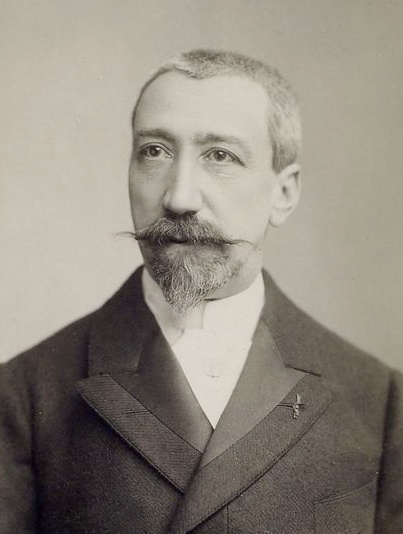
Anatole France, born François-Anatole Thibault (16 April 1844 – 12 October 1924), was a major French man of letters: a poet, literary critic and novelist whose work combined classical restraint, irony and social satire. He won international recognition late in life and became a public intellectual in the Third Republic, noted for both his prose style and his engagement in contemporary debates.
Image gallery
8 Images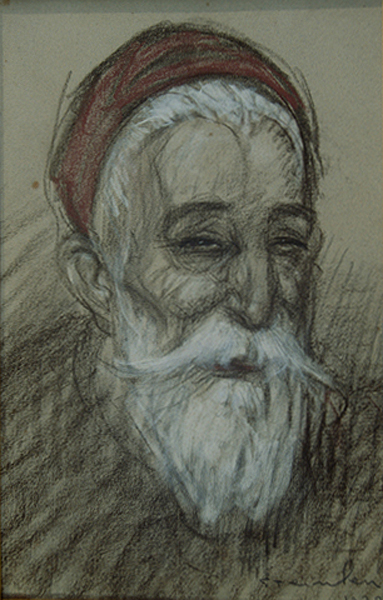



Style and themes
France's writing is widely admired for its polished, economical language and famously cool, ironic tone. His fiction often explores skepticism, humanist morality and the contradictions of institutions—religion, law and politics—using wry observation rather than melodrama. Recurring qualities include a sympathy for ordinary people, moral questioning, and a preference for clarity and balanced judgment over rhetorical extremes.
Major works
- The Crime of Sylvestre Bonnard — an early novel that brought him public attention for its portrait of an erudite, kindly scholar and his moral dilemmas.
- Penguin Island — a long satirical fable that lampoons human customs and institutions by tracing the history of a fantastical nation.
- The Gods Are Athirst — a novel set during the French Revolution that examines fanaticism and the perils of ideological purity.
- The Revolt of the Angels — a later work mixing fantasy and theological irony to probe questions of authority and free will.
Life and public role
Born in Paris and publishing under the name Anatole France, he spent much of his career as a critic, essayist and novelist. He served as a respected voice in literary circles and was elected to the Académie française. Beyond letters, he took part in public controversies of his time: he supported the campaign to exonerate Alfred Dreyfus and aligned with other intellectuals who defended civil liberties and secular values in French society.
Reception and legacy
France's combination of learning, refined style and moral questioning made him both celebrated and debated. He received the Nobel Prize in Literature in 1921, a recognition that brought wider international attention to his work and to French letters of the period. His novels continue to be read for their ironic distance, moral subtlety and historical insight, and they remain studied as examples of turn-of-the-century literary craftsmanship.
Notable facts
He is commonly remembered for his elegant prose and public engagement. For further reference on his Nobel award see the official notice: Nobel Prize in Literature (1921).
Questions and answers
Q: Who was Anatole France?
A: Anatole France was a French poet, critic, and novelist.
Q: What was Anatole France's real name?
A: Anatole France's real name was François-Anatole Thibault.
Q: When was Anatole France born?
A: Anatole France was born on April 16, 1844.
Q: When did Anatole France die?
A: Anatole France died on October 12, 1924.
Q: What did Anatole France win in 1921?
A: Anatole France won the Nobel Prize in Literature in 1921.
Q: Was Anatole France a member of the Académie française?
A: Yes, Anatole France was a member of the Académie française.
Q: What were the areas of expertise of Anatole France?
A: Anatole France's areas of expertise were in poetry, criticism, and novel writing.
Related articles
Author
AlegsaOnline.com Anatole France Leandro Alegsa
URL: https://en.alegsaonline.com/art/3795
Sources
- simple.wikisource.org : Crainquebille