
1889
1889 was a year of political change, dramatic disasters and engineering milestones — from the Eiffel Tower and the Paris Exposition to the Johnstown Flood, the Oklahoma Land Run, and the founding of Brazil’s republic.
Overview
1889 was a year marked by striking contrasts: grand technological display and cultural ferment stood alongside sudden disasters and political upsets. It witnessed landmark engineering achievements and international gatherings, important developments in the United States, and regime change in Brazil. Artists and thinkers produced enduring work amid rapidly changing social and industrial conditions.
Image gallery
10 Images




Major events and milestones
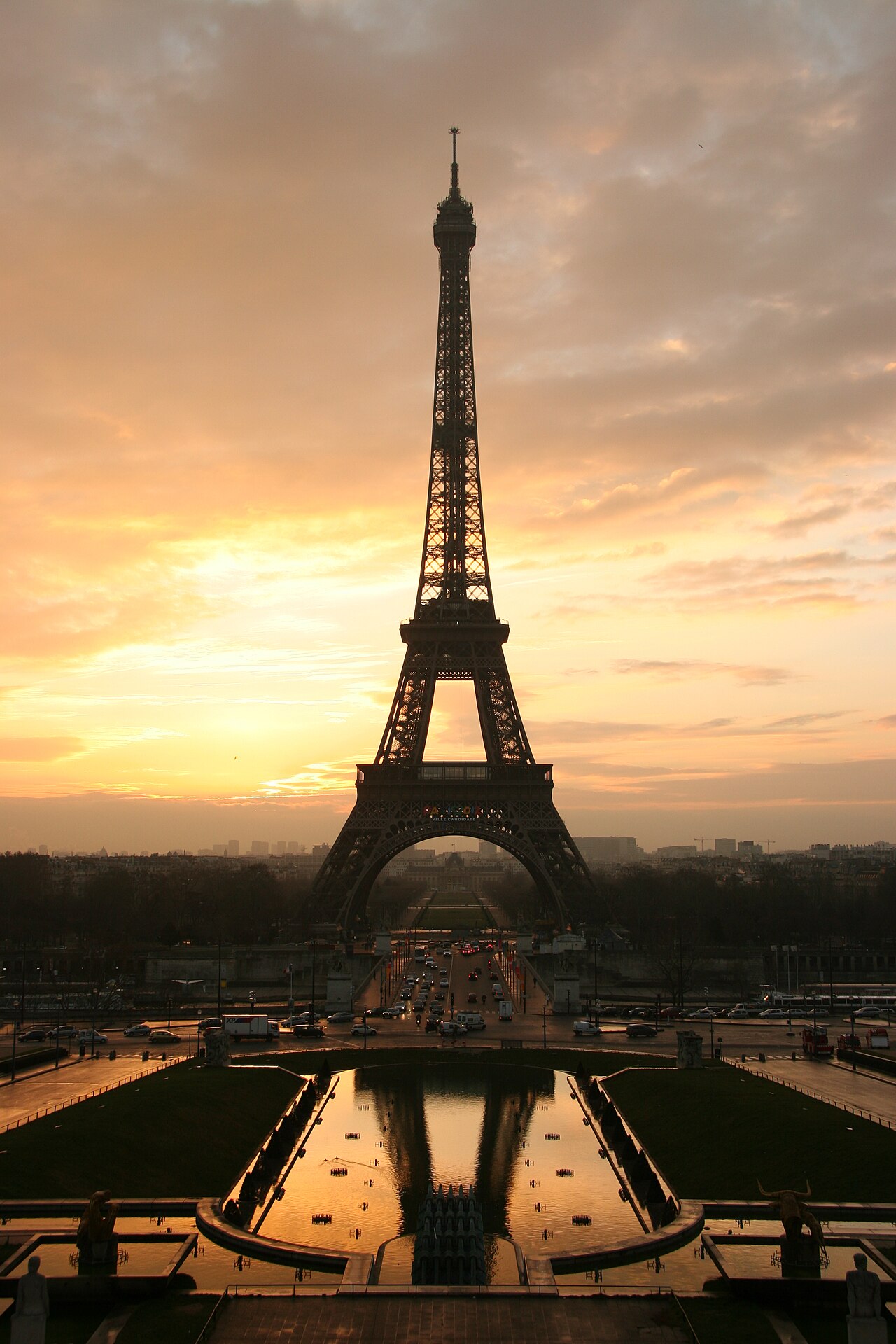
One of the most visible symbols of 1889 was the completion of the Eiffel Tower in Paris, erected for the Exposition Universelle and that year's celebration of the French Revolution’s centennial. The same exposition hosted international exhibitions that showcased industrial and artistic advances. In political organization, the Second International—an association of socialist and labour parties—was founded in Paris and later influenced the international labour movement.
Disasters and frontier expansion
The year also brought tragedy and rapid expansion. On May 31 the Johnstown Flood in Pennsylvania devastated the industrial town and caused thousands of deaths, becoming one of the deadliest civil disasters in U.S. history. In the American West, the Oklahoma Land Run of April 22 opened large tracts of former Indian Territory to settlement, dramatically reshaping the region.
United States and global politics
In the United States, Benjamin Harrison took office as president in March. Several territories advanced toward statehood: North Dakota and South Dakota were admitted to the Union in November, and Montana and Washington followed that month as well. Internationally, Brazil underwent a fundamental change when the monarchy was overthrown and the country became a republic under a provisional government.
Culture, science and notable figures
The year left its mark on culture and the press: the Wall Street Journal was founded in 1889, and artists such as Vincent van Gogh produced important late works while he was at the asylum in Saint-Rémy. 1889 also saw the births of several figures who would become prominent in the 20th century, and it closed a decade of rapid industrial, social and political transformation.
Selected notable events and people
- Completion and public opening of the Eiffel Tower for the 1889 Exposition Universelle.
- Founding of the Second International (socialist organization).
- Johnstown Flood (May 31) — major flood disaster in Pennsylvania.
- Oklahoma Land Run (April 22) — opening of settlement in former Indian Territory.
- Proclamation of the Brazilian Republic (November) — end of the Brazilian monarchy.
- The Wall Street Journal began publication; Vincent van Gogh created notable late paintings while institutionalized at Saint-Rémy.
These events illustrate how 1889 combined technological spectacle, political realignment and human suffering, leaving legacies that shaped both national histories and international movements into the 20th century.
Related articles
Author
AlegsaOnline.com 1889 Leandro Alegsa
URL: https://en.alegsaonline.com/art/111861