
Gaetano Bresci (1869–1901)
Italian-born anarchist known for the 1900 assassination of King Umberto I; a controversial figure admired by some anarchists and republicans and debated in Italian political history.
Gaetano Bresci was an Italian-born anarchist who came to international attention when he assassinated King Umberto I in 1900. Born in the late 19th century, Bresci spent part of his life in the United States before returning to Italy. His act was presented by supporters as political retaliation and by opponents as criminal violence; over time he has been variously portrayed as a martyr, a fanatic, and a symbol of radical protest.
Image gallery
9 Images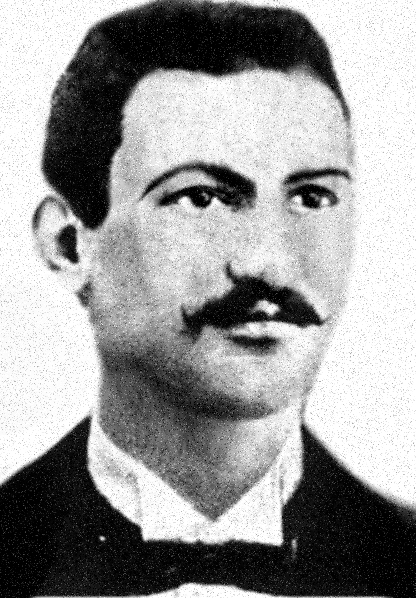


Biography
Bresci's early life began in Tuscany; sources note his origins in a working-class Italian town and his radicalization in the context of industrial-era unrest. Contemporary records and later accounts point to his migration to America as part of a broader pattern of Italian emigration. For records related to his birth and origins, see birth record and references to the year 1869. Accounts of his death and imprisonment are summarized in documents such as death certificate and archival notes marked 1901.
Assassination of the King and motive
On July 29, 1900, Bresci shot King Umberto I during a public appearance, an act he later linked to outrage over the government's response to protests and repression the previous year. Bresci identified with the anarchist movement and framed his action as punishment of a state whose policies, he argued, enabled violence against working-class demonstrators. The episode highlighted tensions between monarchist institutions such as the monarchy and rising republican and radical currents within Italian society.
Legal outcome and death
Arrested immediately after the shooting, Bresci was tried and imprisoned. He died in custody the following year; accounts differ about circumstances, but his death in confinement is part of the historical record referenced by scholars and commentators. His situation was widely debated by contemporaries, including those who considered him a political actor rather than a mere criminal.
Legacy and interpretations
Bresci remains a contested figure. Some anarchists and many republicans regarded him as a hero resisting authoritarian rule, while critics condemn the use of assassination for political ends. For discussion of his reception among republican circles see republicans. Historians place his deed in the wider context of late 19th-century labor unrest, state repression, and the transatlantic networks of emigrant radicals. Further reading and archival materials can be found via general reference links and period sources such as Italian press archives.
- Key facts: association with radical politics, transatlantic migration, assassination of a reigning monarch.
- Context: reaction to state violence and industrial social conflict.
- Controversy: remembered alternately as avenger, criminal, or symbol of resistance.
Questions and answers
Q: Who was Gaetano Bresci?
A: Gaetano Bresci was an Italian American anarchist.
Q: What did Gaetano Bresci do?
A: Gaetano Bresci killed Italian King Umberto I.
Q: When was Gaetano Bresci born?
A: Gaetano Bresci was born on November 10, 1869.
Q: When did Gaetano Bresci die?
A: Gaetano Bresci died on May 22, 1901.
Q: What is Gaetano Bresci's legacy?
A: Gaetano Bresci is still considered a hero by many anarchists and republicans.
Q: Why did Gaetano Bresci kill Italian King Umberto I?
A: Gaetano Bresci was an anarchist who believed in the overthrow of governments and the establishment of a society without rulers or hierarchies. He saw the monarchy as a symbol of oppression and believed that killing the king would inspire others to take action against the government.
Q: What was Gaetano Bresci's ideology?
A: Gaetano Bresci was an anarchist who believed in the establishment of a society without rulers or hierarchies.
Related articles
Author
AlegsaOnline.com Gaetano Bresci (1869–1901) Leandro Alegsa
URL: https://en.alegsaonline.com/art/37194