
Genealogy: the study and practice of tracing family history
An accessible overview of genealogy: what it is, key records and tools, historical development, reasons people research family lines, and practical and ethical challenges.
Overview
Genealogy is the systematic study of family history and ancestral descent. It organizes information about relationships—parents, siblings, spouses, children—and seeks to reconstruct the sequence of generations that links living people to their forebears. While professional historians and archivists engage in genealogical research, many people pursue it as a hobby or a way to understand identity, heritage, and cultural background.
Image gallery
10 Images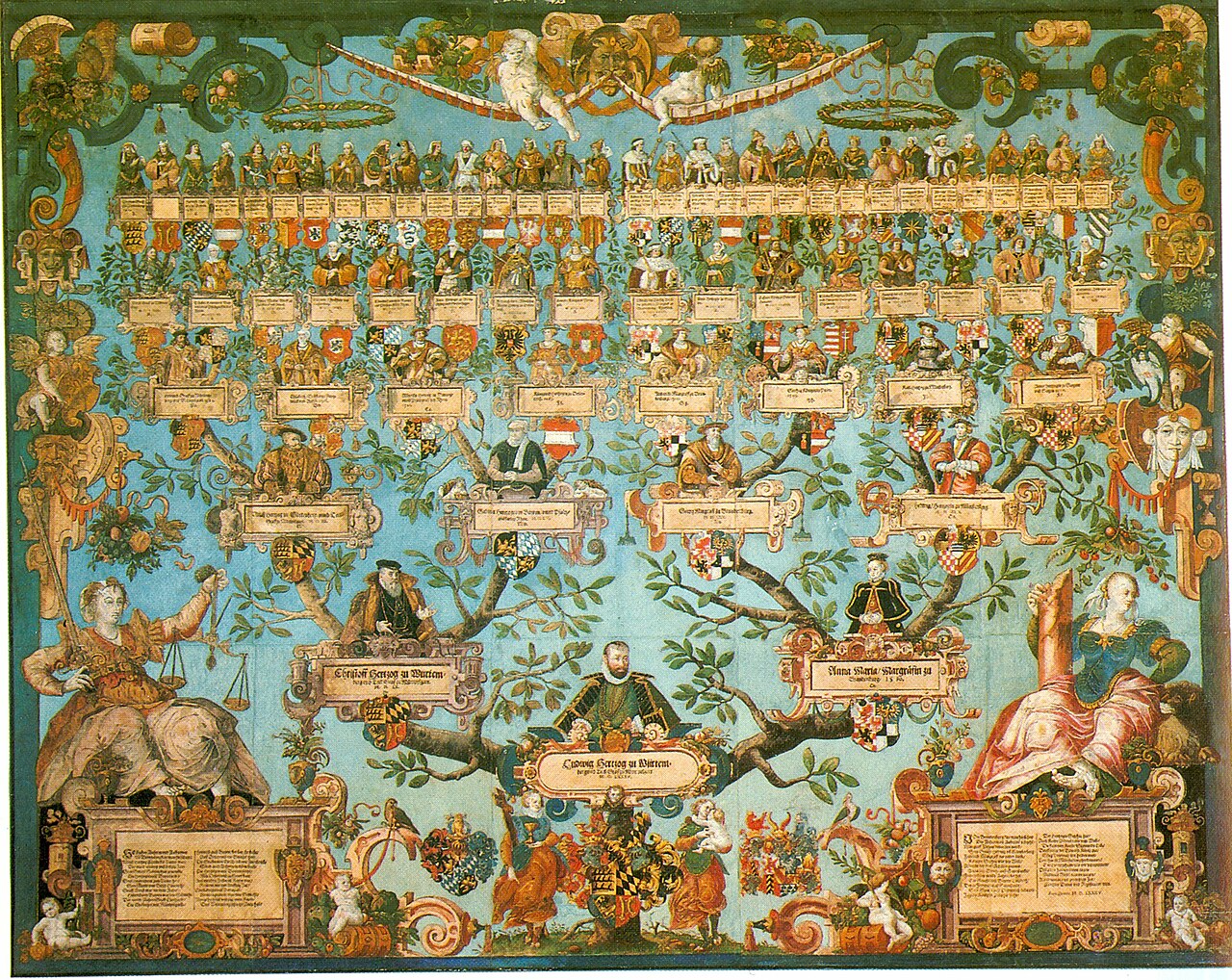



Core characteristics and common records
Genealogical work depends on documenting individuals and relationships with primary and secondary sources. Common categories of records include civil registrations (birth, marriage, death), church and religious registers, census returns, immigration and naturalization papers, military service records, wills and probate files, land and tax records, and newspaper notices. Personal materials—letters, portraits, oral histories and family Bibles—can supply details not found in official documents. Photographs, occupations, educational information, and stories of migration or service often enrich a family narrative.
Methods, tools, and organization
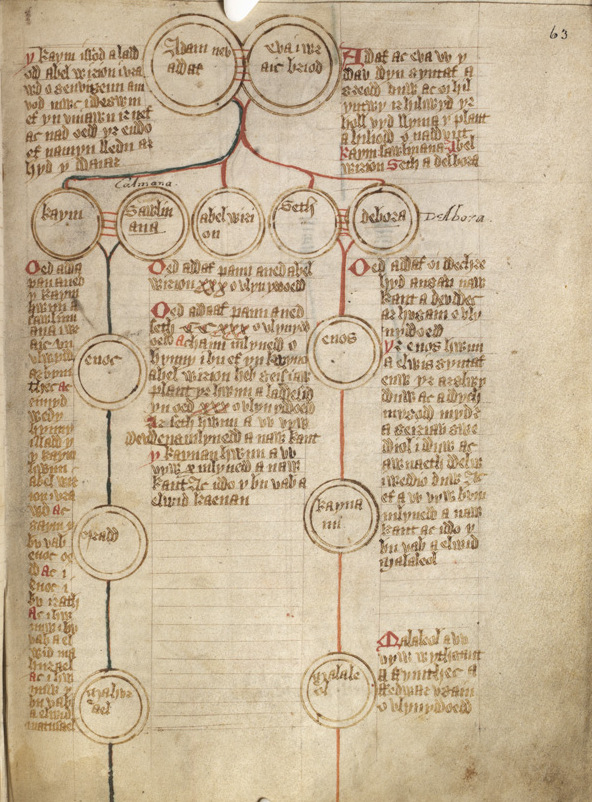
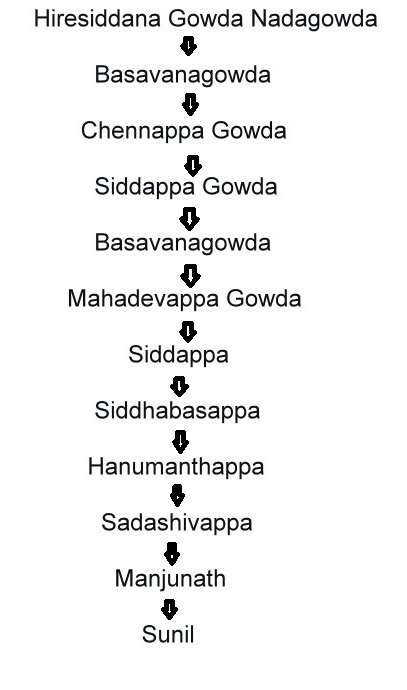
Researchers typically begin by collecting what is remembered in living families, then seek documentary evidence to confirm or refine those accounts. Information is often arranged visually in pedigree charts or family trees that map parent-child links; descendancy charts show all known descendants of a particular ancestor. Many use genealogy software or online databases to store names, dates, sources and images, to generate charts, and to share findings. Digital tools can also help cross-check records and suggest possible connections, but they require careful source evaluation to avoid propagating errors.
Historical development and traditions
Interest in tracing lineage has existed in many cultures for centuries, sometimes tied to inheritance, property rights, religious duties, or social status. In the modern era, the growth of civil registration, national censuses, and organized archives greatly expanded what can be discovered. The late 20th and early 21st centuries saw a surge in amateur genealogy thanks to digitized records, online catalogs, and DNA testing technologies that provide genetic clues to ancestral origins and kinship.
Why people research their family trees
Motivations are diverse: some seek to answer specific questions (adoption, unknown parentage, medical inheritance), others pursue cultural or ethnic roots, or compile family stories for posterity. Genealogy can support legal claims, help communities reclaim histories, or contribute to local and social history. It also serves recreational and educational purposes, connecting people across generations and regions.
Practical issues, accuracy and ethics
Researchers must weigh the reliability of sources and clearly document where information comes from. Names, dates and places can be recorded differently over time and across languages, so careful cross-checking is essential. Genealogists also face ethical considerations: privacy for living people, culturally sensitive material, and the potential emotional impact of unexpected discoveries. DNA evidence, while powerful, must be interpreted cautiously and used with respect for consent and confidentiality.
Common steps and recommended practices
- Begin with known family information and record exact sources for each fact.
- Seek primary documents when possible and corroborate details across multiple records.
- Organize findings with charts and databases and keep backups of digital files.
- Learn about local archives, naming conventions, and historical context relevant to your ancestors.
Resources and further reading
Below are representative portals, guides and repositories commonly used by researchers; they illustrate the range of resources available online and in archives.
- Civil and vital records collections
- Church and parish register guides
- Recreational genealogy communities and forums
- Family tree charting explanations
- Genealogy database and software options
- Birth records and indexing resources
- Marriage records search tools
- Death and burial record archives
- Census and household enumeration sources
- Education and apprenticeship records
- Occupational and guild records
- Oral history methods and collections
- Chart and table generation tools
- Reference guides on citing genealogical sources
Questions and answers
Q: What is genealogy?
A: Genealogy is the study of family history and relationships, including parents, grandparents, great-grandparents, etc.
Q: How do people show their family history?
A: People often use a family tree diagram to show how members of a family are related.
Q: What kind of data can be saved in a genealogy database?
A: Data that can be saved in a genealogy database includes dates and places of births, marriages, and deaths; records of military service; census records; immigration data; education information; occupations; and photos of ancestors.
Q: What are the advantages of using a genealogy database?
A: The advantages of using a genealogy database include keeping data organized when relationships change, generating charts or tables with filled-in data, making it easier to share data with others, and taking up less room than paper or notebooks.
Q: Why do people study genealogy?
A: People study genealogy for many reasons such as learning more about their ancestry or preserving oral histories from within their families.
Related articles
Author
AlegsaOnline.com Genealogy: the study and practice of tracing family history Leandro Alegsa
URL: https://en.alegsaonline.com/art/37932