
Genbun (元文): Japanese era name, 1736–1741
Genbun (元文) was a Japanese era name (nengō) from April 1736 to February 1741 during the reign of Emperor Sakuramachi. It followed Kyōhō and preceded Kanpō, and is used in historical chronology.
Overview
Genbun (元文), sometimes romanized Gembun, is a Japanese era name (nengō, 年号) that covered the period from April 1736 through February 1741. Era names are the traditional means of dating years in premodern and early modern Japan and are still used in many official contexts. The reigning emperor during Genbun was Sakuramachi-tennō (桜町天皇), whose role was largely ceremonial while real political power was held by the Tokugawa shogunate.
Image gallery
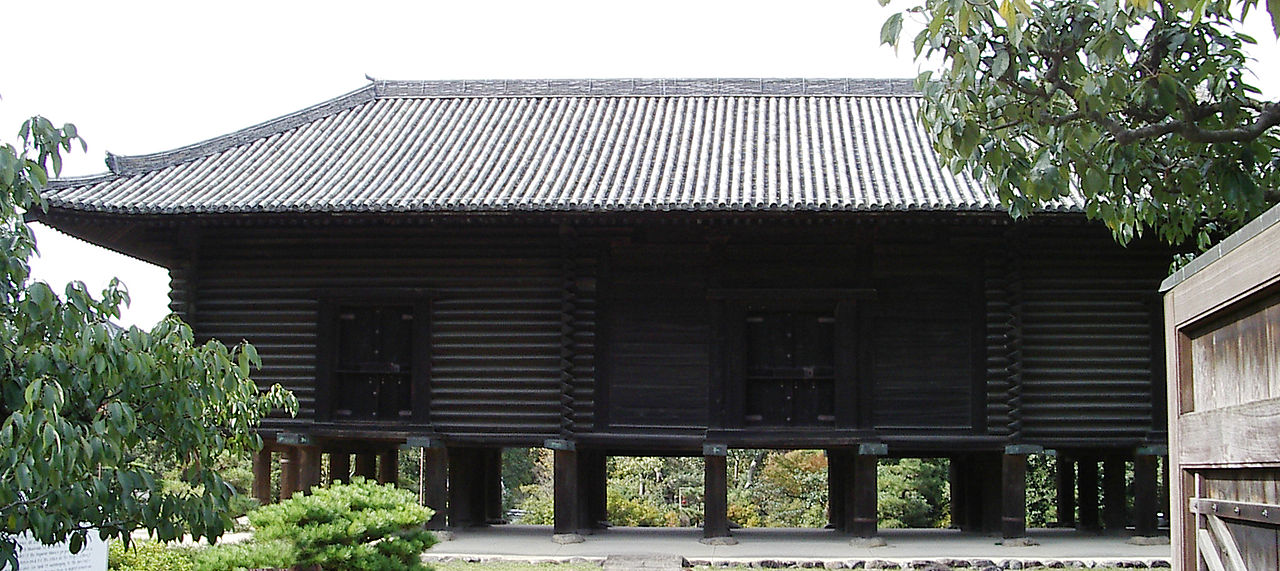
3 Images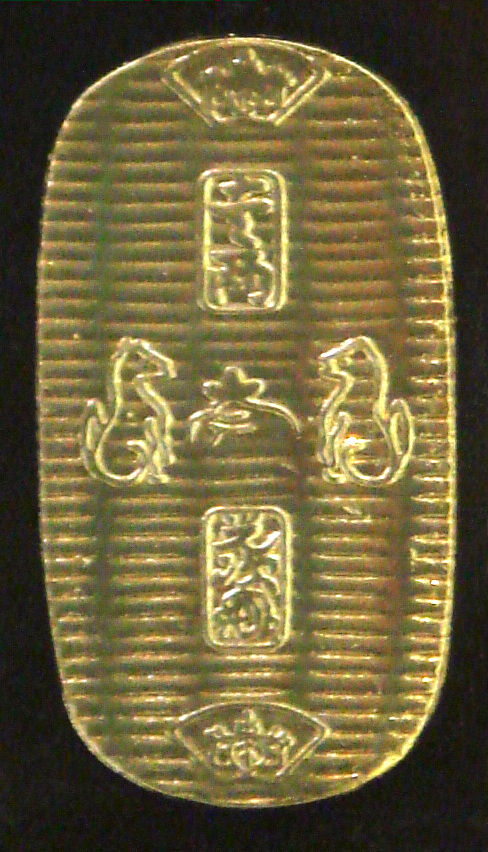

Historical context
The Genbun era began immediately after Kyōhō and ended before Kanpō, forming a short span within the mid-Edo period. The change of an era name could reflect an auspicious event, a desire for renewal, or reaction to natural disasters or political shifts; such reasons were stated in court proclamations at the time. The period falls under the de facto rule of the Tokugawa bakufu, a time characterized by centralized samurai governance, strict social order, and relative peace.
Characteristics and notable aspects
- Dates: April 1736–February 1741 (Gregorian equivalents used for modern reference).
- Emperor: Sakuramachi-tennō (ceremonial head of state).
- Political setting: governance and policy continuity under the Tokugawa shogunate, following long-running reforms of earlier decades.
- Cultural life: the mid-Edo milieu continued to foster literature, print culture, and the arts that later historians associate with urban and popular creativity.
Importance and legacy
As with other era names, Genbun serves primarily as a chronological label in historical records, court documents, legal codes, and temple or municipal archives. Historians and archivists use the sequence of era names to place events in order and to correlate Japanese dating with the Gregorian calendar. Genbun's brief span means it often appears alongside references to the longer Kyōhō reforms and the subsequent Kanpō era when discussing mid-Edo developments.
Further reading and references
For general information about the system of Japanese era names and how they are used in historical dating see era name (nengō). For context about the adjacent eras and the chronological placement of Genbun, see material on Kyōhō and Kanpō. These resources provide broader background on how short eras like Genbun fit into the political and cultural history of the Edo period.
Related articles
Author
AlegsaOnline.com Genbun (元文): Japanese era name, 1736–1741 Leandro Alegsa
URL: https://en.alegsaonline.com/art/37886
Sources
- books.google.com : "Gembun"
- books.google.com : "Sakuramachi Tennō,"
- books.google.com : Annales des empereurs du japon, pp. 417-418.
- books.google.com : p. 418.
- books.google.com : Japans Kaiserhof in der Edo-Zeit, p. 186
- kunaicho.go.jp : 中御門天皇 (114)