
Fukuiraptor: Cretaceous theropod from Fukui, Japan
Medium-sized carnivorous theropod from the Lower Cretaceous Kitadani Formation of Fukui Prefecture, Japan, known from partial skeletons and displayed at the Fukui Prefectural Dinosaur Museum.
Overview
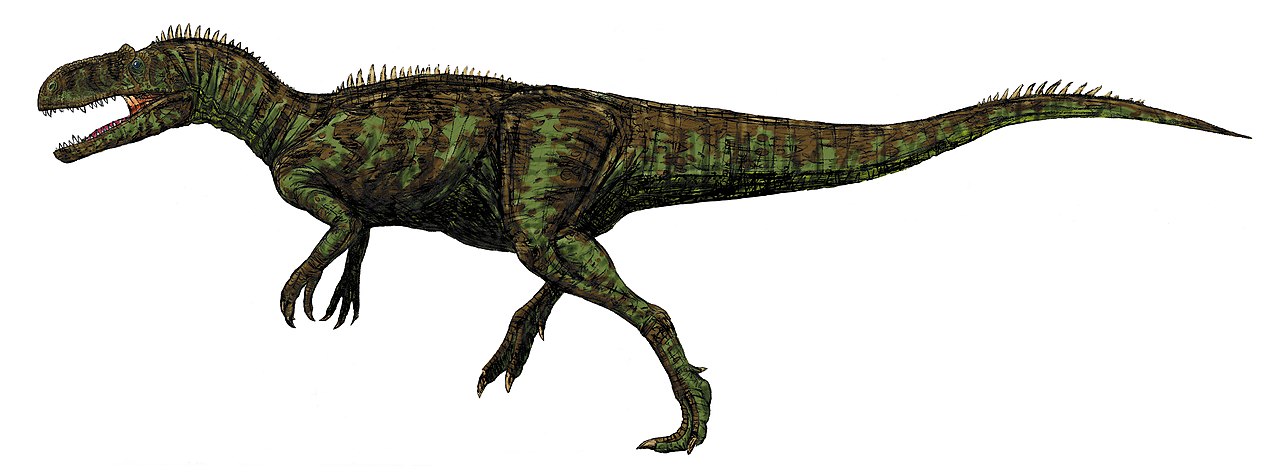
Fukuiraptor, whose name means "thief of Fukui," is a medium-sized carnivorous theropod known from the Lower Cretaceous rocks of eastern Asia. Its fossils were recovered from the Kitadani deposits in what is now Fukui Prefecture on the main island of Japan. The species is part of the broader record of Early Cretaceous predators that inhabited floodplain and coastal environments across the region.
Image gallery
10 Images



Discovery and context
Remains were unearthed in the Kitadani Quarry and represent partial skeletal material rather than a complete skeleton. These fossils are assigned to strata of the Lower Cretaceous, a geologic interval that preserves a variety of terrestrial vertebrates in East Asia. The find helped establish the Kitadani area as an important paleontological site and prompted regional efforts to study Cretaceous ecosystems in Japan.
Anatomy and classification
Fukuiraptor is characterized by relatively long forelimbs with well-developed manual claws, a light to moderately built skull, and teeth suited for a carnivorous diet. Paleontologists have noted a mix of features that make its precise placement within theropods uncertain; it has been compared with several groups of allosauroid and megaraptoran relatives. Key anatomical features include:
- Elongated arms and hands: suggestive of grasping prey.
- Blade-like teeth: adapted for slicing flesh rather than crushing.
- Lightly built postcranial bones: consistent with an agile predator.
Paleobiology and behavior
Based on its anatomy, Fukuiraptor was likely an active hunter of small to medium-sized vertebrates living in its environment. Robust forelimbs and large manual claws indicate it could grasp or slash prey, while limb proportions imply a capacity for relatively quick movement. As with many extinct predators, details of social behavior, reproductive biology, and exact diet remain uncertain and are inferred from comparisons with better-known relatives.
Importance and public display
Fukuiraptor is among the best-known dinosaurs from Japan and has become an emblematic species for the region's paleontology. A reconstructed skeleton and exhibits based on its remains are featured at the Fukui Prefectural Dinosaur Museum, where the specimen helps illustrate Early Cretaceous ecosystems to the public. The taxon contributes to scientific discussions about theropod diversity in Asia and the evolutionary relationships of mid-sized predators during the Cretaceous.
Notable facts and distinctions
- One of the more complete theropod finds from Japan, highlighting the paleontological value of the Kitadani site.
- Its mix of anatomical traits has made it important for debates about megaraptoran and allosauroid evolution.
- Fukuiraptor highlights regional differences among Early Cretaceous predator faunas in East Asia compared with contemporaneous assemblages elsewhere.
Related articles
Author
AlegsaOnline.com Fukuiraptor: Cretaceous theropod from Fukui, Japan Leandro Alegsa
URL: https://en.alegsaonline.com/art/36931
Sources
- doi.org : 10.1139/e00-064 · web.archive.org
- nrcresearchpress.com : nrcresearchpress.com/doi/10.1139/e00-064