
Fukui Prefecture
Prefecture on the Sea of Japan coast of Honshū, Japan. Capital: Fukui. Known for coastal cliffs, mountain scenery including Hakusan, historic temples and castles, Echizen crafts and a major dinosaur museum.
Overview
Fukui Prefecture (福井県) lies on the northwestern coast of Honshū, facing the Sea of Japan. Administratively part of the Chūbu region of Japan, its capital is the city of Fukui. The prefecture combines coastal plains, rugged cliffs and inland mountains, and it is less densely populated than many other parts of central Honshū.
Image gallery
10 Images



Geography and climate
Fukui's landscape ranges from fishing ports and cliffs along the coast to forested valleys and portions of the Hakusan (Mount Haku) range inland. The proximity to the Sea of Japan influences its climate: winters tend to bring cold winds and significant snowfall in places, while summers are moderated by maritime effects. These varied environments support agriculture, forestry, and coastal fisheries.
History and cultural heritage
The area corresponds in large part to the historic Echizen Province and retains many cultural sites from different eras. Prominent religious and feudal landmarks include the Soto Zen temple Eiheiji and Maruoka Castle, often noted among Japan's older surviving castles. Craft traditions such as Echizen washi (traditional paper) and Echizen pottery continue to be produced and exhibited locally.
Science, archaeology and museums
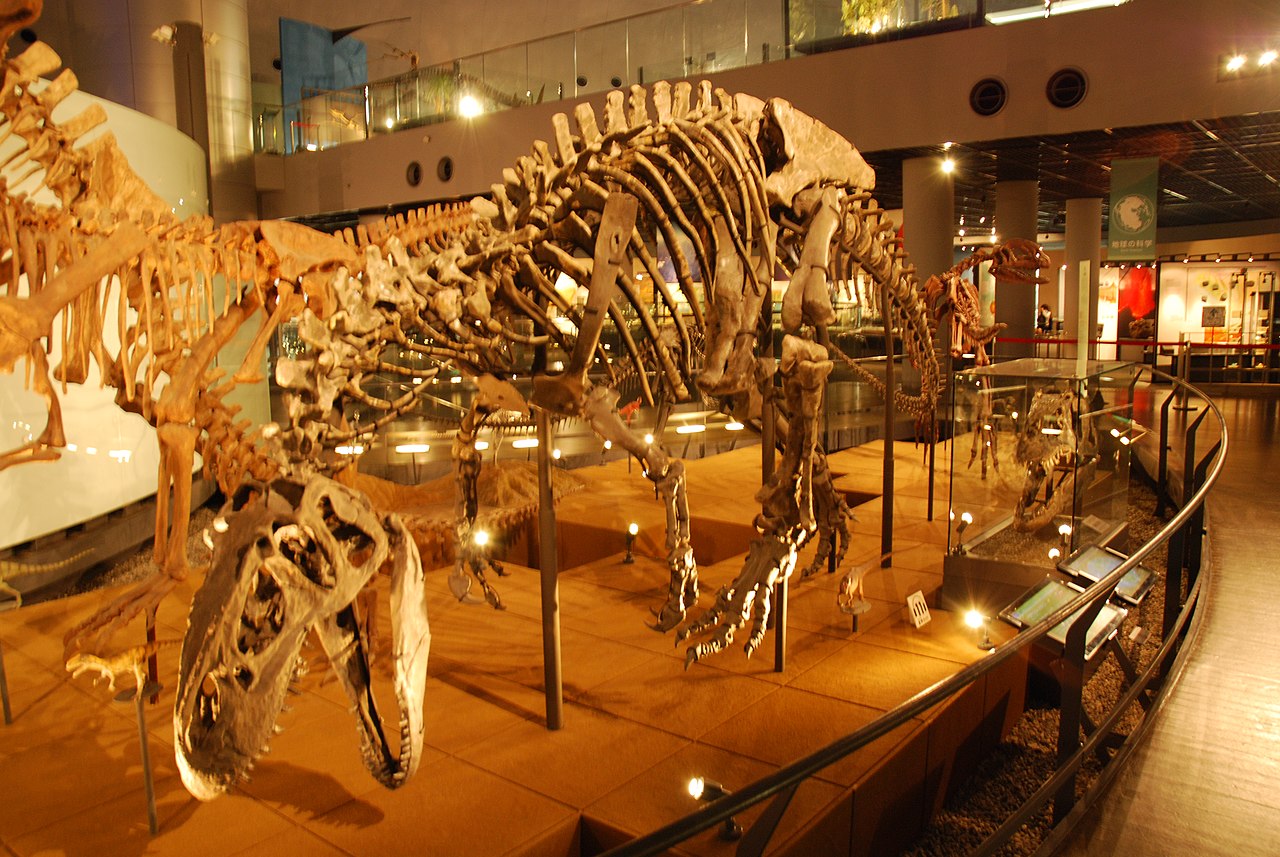
Fukui is internationally known for paleontological discoveries; the Fukui Prefectural Dinosaur Museum in Katsuyama is a leading institution that displays fossils and research related to dinosaur finds. Local museums and research centers present natural history, archaeology and industrial heritage to both specialists and general visitors.
Economy and transport
The regional economy blends primary industries—rice cultivation, seafood, and forestry—with manufacturing such as precision machinery, textiles and chemical production. Coastal energy facilities and ports support industry and trade. Fukui is linked by rail and expressways to the Kansai and Hokuriku corridors, facilitating movement of people and goods.
Tourism and local life
Visitor attractions include dramatic coastal scenery such as the Tojinbo cliffs, hot spring resorts, historic temples and reconstructed castle sites. Local cuisine emphasizes seafood—including regional crab varieties—and beverages brewed from local rice. Festivals and seasonal events reflect long-standing community traditions and agricultural cycles.
- Major sites: Eiheiji Temple, Maruoka Castle
- Noted museums: Fukui Prefectural Dinosaur Museum
- Traditional crafts: Echizen washi, Echizen pottery
For official information, travel guidance and cultural resources consult prefectural resources, broader regional overviews of the Chūbu area, and national tourism pages for Japan. General geographic context is available for Honshū via regional references at Honshū information portals.
Related articles
Author
AlegsaOnline.com Fukui Prefecture Leandro Alegsa
URL: https://en.alegsaonline.com/art/36930
Sources
- books.google.com : "Fukui-ken"
- books.google.com : "Chūbu" at p. 126
- books.google.com : "Fukui" at p. 217
- books.google.com : "Provinces and prefectures" at p. 780
- env.go.jp : "General overview of area figures for Natural Parks by prefecture"
- eos.kokugakuin.ac.jp : "Nationwide List of Ichinomiya," p. 2