
Harappa — major Indus Valley archaeological site in Punjab, Pakistan
Harappa is a principal Bronze Age city of the Indus Valley Civilization in Punjab, Pakistan, known for planned urban layout, seals, drainage systems and undeciphered script.
Harappa is an archaeological site in the Punjab region of northeast Pakistan that preserves the remains of a large Bronze Age city associated with the Indus Valley Civilization. The ruins lie near the modern village of Harappa, about 35 km southwest of Sahiwal, and the name is used for both the ancient settlement and the present-day town. Excavations in the early 20th century revealed that Harappa was a planned urban centre with substantial public works and craft industries, placing it among the major prehistoric cities of South Asia. For a general location reference see the Harappa archaeological site.
Image gallery
9 Images


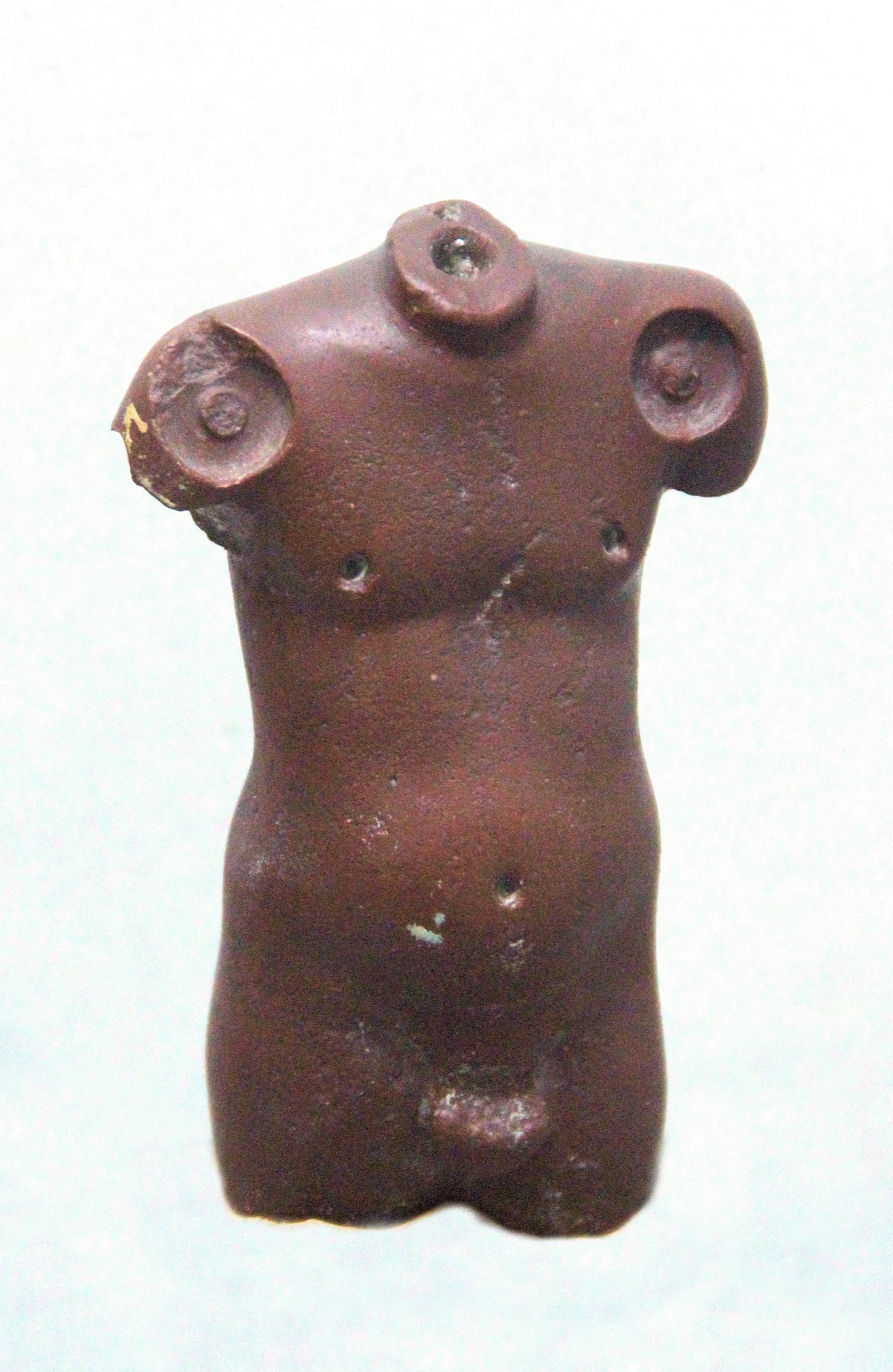


City layout and material culture
Archaeological work has documented a city organized into a raised citadel and a lower town, with straight streets, standardized fired-brick architecture and complex drainage. Excavators recovered a wide range of artifacts including pottery, terracotta figurines, stone and metal tools, standardized weights, and engraved steatite seals bearing short, undeciphered signs often accompanied by animal motifs. These features indicate specialized craft production, administrative practices and long-distance exchange. The site is also important for evidence of agricultural storage and possibly large public buildings interpreted as granaries or assembly areas.
Chronology and cultural context
Harappa flourished during the Bronze Age and is conventionally placed in the middle to late third millennium BCE, within the broader span of the Indus Valley Civilization. The people who lived there participated in a regional culture that extended across much of present-day Pakistan and northwest India, characterized by urbanism, standardized measures and trade networks that reached Mesopotamia and beyond. The writing system used on seals and other objects remains undeciphered, which limits direct knowledge of language and administration.
Discovery, excavation and research
The site attracted little sustained attention until systematic excavations in the early 20th century revealed its complexity. Since then, fieldwork has continued episodically, combining stratigraphic excavation, survey, and analysis of finds. Research at Harappa has contributed to debates about urban origins, craft specialization, and the social organization of early complex societies in South Asia. For an overview of the Indus Civilization context see Indus Valley Civilization resources.
Importance, trade and interactions
Harappa is valued for what it reveals about ancient urban planning and early long-distance trade. Artifacts such as exotic raw materials, standardized weights and seals suggest commercial links across regions. The site provides evidence for everyday life, craft production (including bead-making and metallurgy), and municipal engineering—especially well-preserved examples of drainage and water management. Comparative material and textual studies consider Harappa alongside other contemporaneous cities to reconstruct economic and cultural networks; general background can be found via academic summaries like regional syntheses.
Conservation and public engagement
Modern Harappa faces challenges common to archaeological sites: preservation of fragile remains, protection from looting and development, and presentation for visitors and researchers. The proximity of a living village and agricultural land means that conservation must balance local needs and heritage protection. Interpretive work, site museums and controlled excavation continue to shape public understanding of Harappa’s past. For visitor information and site management discussions see local resources.
- Key features: planned streets, citadel and lower town, baked-brick construction.
- Notable finds: steatite seals, standardized weights, craft debris and drainage systems.
- Outstanding questions: social organization, the content of the Indus script, and reasons for urban decline.
Related articles
Author
AlegsaOnline.com Harappa — major Indus Valley archaeological site in Punjab, Pakistan Leandro Alegsa
URL: https://en.alegsaonline.com/art/42371