
Fukuoka Airport
Major airport in Hakata, Fukuoka — one of Japan's busiest and the closest to its city center. Handles domestic and international flights but is constrained by urban surroundings and limited expansion options.
Overview
Fukuoka Airport (IATA: FUK, ICAO: RJFF) serves the city of Fukuoka on the island of Kyushu. Located in the Hakata ward, the airport is notable for its exceptional proximity to a central urban area; it is closer to downtown Fukuoka than most major airports are to their cities. It functions as an important hub for domestic travel within Japan and provides a range of international routes within East Asia and beyond.
Image gallery
8 Images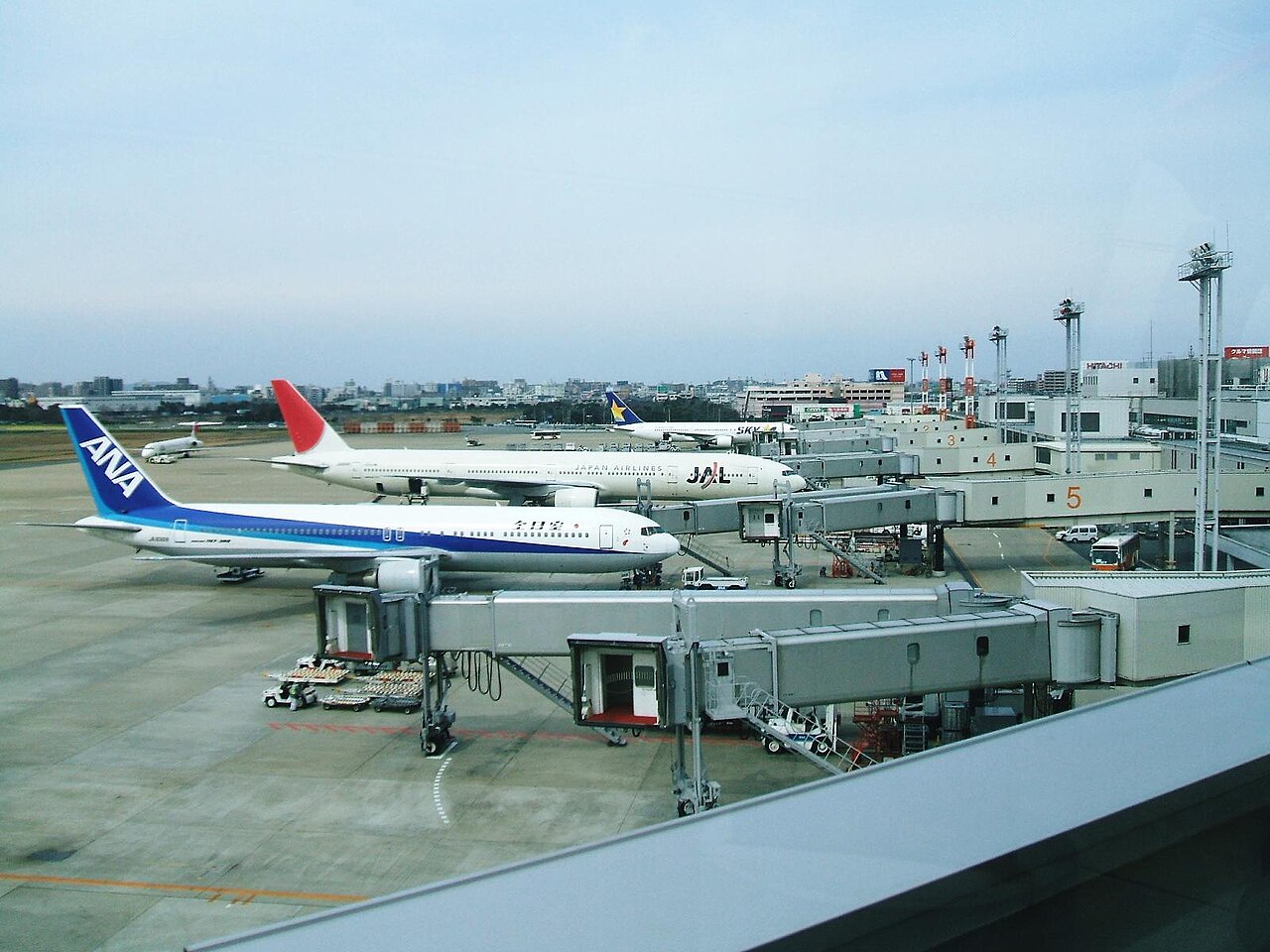



Facilities and layout
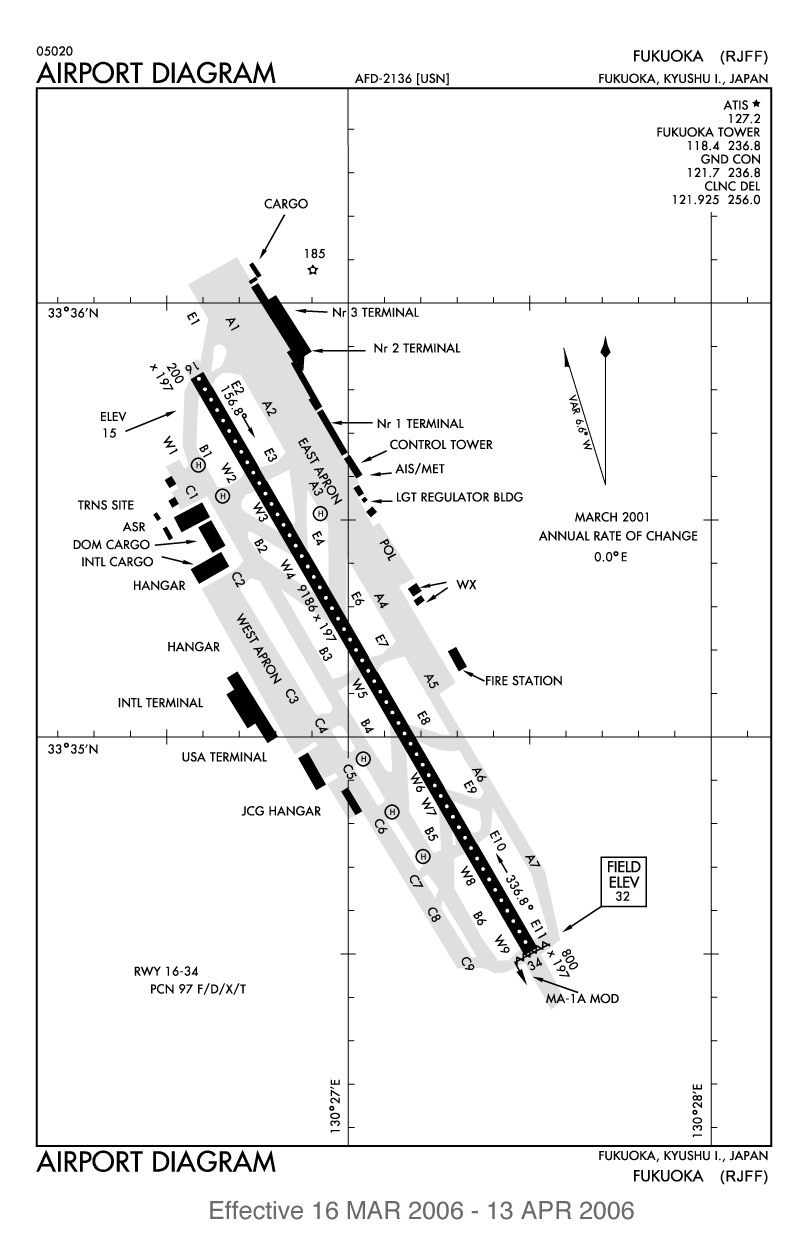
The airport complex includes separate domestic and international terminal facilities arranged close together to facilitate transfers. Passenger services cover typical airport amenities: ticketing and check-in counters, security screening, baggage handling, lounges and ground transport connections. The layout emphasizes short transfer times between terminals and quick access to the city center.
History and development
Originally established as a military airfield, the site later transitioned to civilian use and grew with Fukuoka's postwar expansion. Over the decades the airport developed scheduled domestic services and expanded international links as the region’s economy and tourism grew. Its role has evolved from a regional airfield to a major urban gateway for Kyushu.
Operations, access and importance
Fukuoka Airport ranks among Japan’s busiest passenger airports and is a key node for both business and leisure travel in southern Japan. Ground access is convenient: the Fukuoka City Subway Kūkō Line connects the airport with central districts such as Hakata and Tenjin, and there are frequent bus and taxi services. Cargo and charter operations also contribute to its activity levels.
Constraints and planning
Because the airport sits amid dense urban development, opportunities to expand runways or build large new facilities are severely limited. It is officially classified under Japan’s airport system as a second class airport, and it operates near capacity during peak periods. These constraints influence air traffic planning, noise management and long-term transport strategies for the city.
Notable facts and further information
- Exceptional proximity to the city center compared with other Japanese airports.
- Serves a mix of domestic trunk routes and international flights within the region.
- Subject to careful urban planning due to surrounding residential and commercial areas.
For more details on scheduling, facilities and passenger services, consult official sources such as airport publications and local government planning documents: Japanese airport classification and general information on Fukuoka Airport.
Related articles
Author
AlegsaOnline.com Fukuoka Airport Leandro Alegsa
URL: https://en.alegsaonline.com/art/36932
Sources
- yokanavi.com : Fukuoka International Airport
- fuk-ab.co.jp : About Fukuoka Airport