
Fujikawa, Yamanashi (富士川町) — town profile and overview
Fujikawa (富士川町) is a town in Minamikoma District, Yamanashi Prefecture, Japan, created in 2010 by the merger of Masuho and Kajikazawa. Rural economy, river valley scenery, and local culture define the area.
Overview
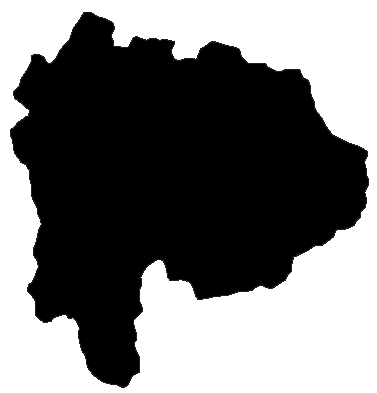
Fujikawa (富士川町, Fujikawa-chō) is a municipality in Minamikoma District of Yamanashi Prefecture in central Japan. The town takes its name from the nearby Fuji River and combines rural landscapes with small-town services. It is administered as part of Yamanashi and is one of several communities in the prefecture that balance agriculture and local industry. For regional context see Minamikoma District and the prefecture page Yamanashi.
Image gallery
4 Images


Geography and environment
Fujikawa lies in a valley region characterized by river terraces and hills that rise toward the Southern Alps. The river and surrounding foothills support mixed forests, farmland, and pockets of traditional villages. The landscape invites seasonal activities such as hiking, river observation and countryside tourism. The town's setting is typical of inland, mountainous prefectures of Japan, where natural scenery plays a key role in local identity.
History and formation
The modern town of Fujikawa was created on March 8, 2010, when the former towns of Masuho and Kajikazawa merged as part of a wider wave of municipal consolidations during the Heisei era. That merger unified local administration and services under the Fujikawa name and aimed to strengthen provision of education, public works and community planning. The official merger date is often cited in local histories and planning documents (March 8, 2010).
Economy, transport and services
The local economy is mainly based on agriculture, forestry and small-scale manufacturing, supplemented by businesses serving residents and visitors. Transportation is provided by regional roads and nearby rail connections to larger urban centers; residents commonly travel to nearby cities for specialized services. The former town of Masuho contributed local facilities and infrastructure to the integrated municipality during the merger.
Culture, attractions and notes
Fujikawa preserves rural cultural traditions such as shrine festivals, seasonal markets and community events that reflect the agricultural calendar. Attractions tend to emphasize natural scenery and outdoor recreation rather than large tourist facilities, and the Fuji River corridor is a focal point for local history and nature appreciation. As with many small Japanese towns, Fujikawa faces demographic and economic challenges but retains a distinct local character rooted in its landscape and community institutions.
Related articles
Author
AlegsaOnline.com Fujikawa, Yamanashi (富士川町) — town profile and overview Leandro Alegsa
URL: https://en.alegsaonline.com/art/36918