
Fujisawa, Kanagawa
Coastal city in Kanagawa Prefecture on Honshū, Japan, known for Enoshima island, Shōnan beaches, commuter links to Tokyo, and a mix of tourism, fishing and local industry.
Overview
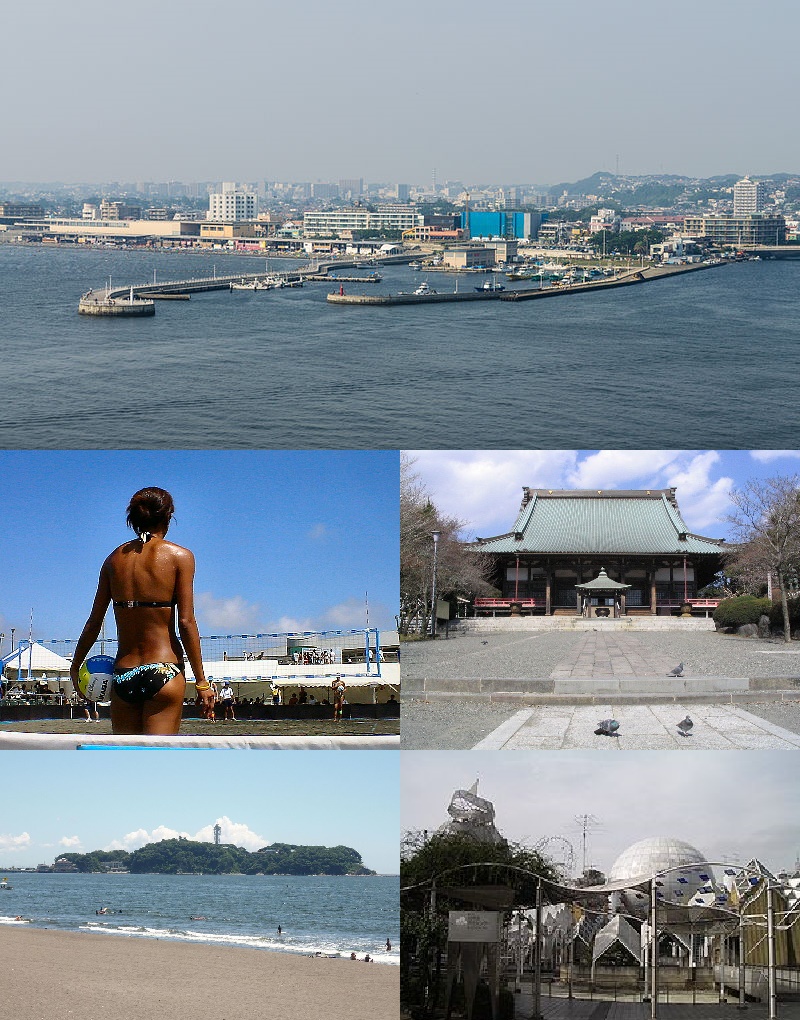
Fujisawa is a coastal city of Kanagawa Prefecture in the Kantō region on the island of Honshū. It faces Sagami Bay and lies within the popular Shōnan shore area, serving both as a residential commuter center and a day‑trip destination for nearby urban populations. The city blends seaside leisure, historic sites and suburban development.
Image gallery
9 Images




Characteristics and geography
Fujisawa occupies a low‑lying coastal plain with beaches, river mouths and a small offshore island, Enoshima, that is linked to the mainland by a bridge. The climate is temperate with mild winters and warm summers, conditions that support year‑round recreation and seasonal festivals.
History and development
Historically the area grew from fishing settlements and a post town that served travelers on coastal routes. Over time it evolved into a regional hub as rail connections were established, transforming Fujisawa into both an industrial and residential center while preserving several cultural and religious sites.
Transport and access
Fujisawa is well connected by rail and road, making it a convenient link between Tokyo, Yokohama and coastal attractions. Key services include local and regional train lines and tramways that bring commuters and visitors to beaches, shrines and commercial districts. Typical travel options are highlighted below:
- Regional rail lines and commuter services to metropolitan centers
- Local tram or light‑rail routes serving coastal neighborhoods and Enoshima
- Road links and local buses connecting inland suburbs and seaside areas
Economy, culture and attractions
The economy mixes light industry, retail, services and tourism. Fujisawa attracts visitors for surfing, beach activities, seafood restaurants and the compact cultural circuit on Enoshima, which includes shrines, observation points and promenades. Annual events and summer fireworks contribute to the city's seasonal rhythms.
Notable distinctions
As part of the Shōnan coastline, Fujisawa is representative of Japan’s coastal resort towns that lie close to major urban centers. It combines commuter convenience with recreational appeal, and it often appears in guides and travel information aimed at short trips from larger cities. For maps and additional resources see Kanagawa Prefecture information and local tourism pages such as regional guides or transit timetables at city transport portals.
Related articles
Author
AlegsaOnline.com Fujisawa, Kanagawa Leandro Alegsa
URL: https://en.alegsaonline.com/art/36921
Sources
- books.google.com : "Fujisawa, Kanagawa"