
Fukui (city): capital of Fukui Prefecture, Japan
Fukui is the prefectural capital on the Sea of Japan coast, a regional administrative and educational centre with a history of textiles, chemical and precision industries, cultural properties and a local dinosaur heritage.
Overview
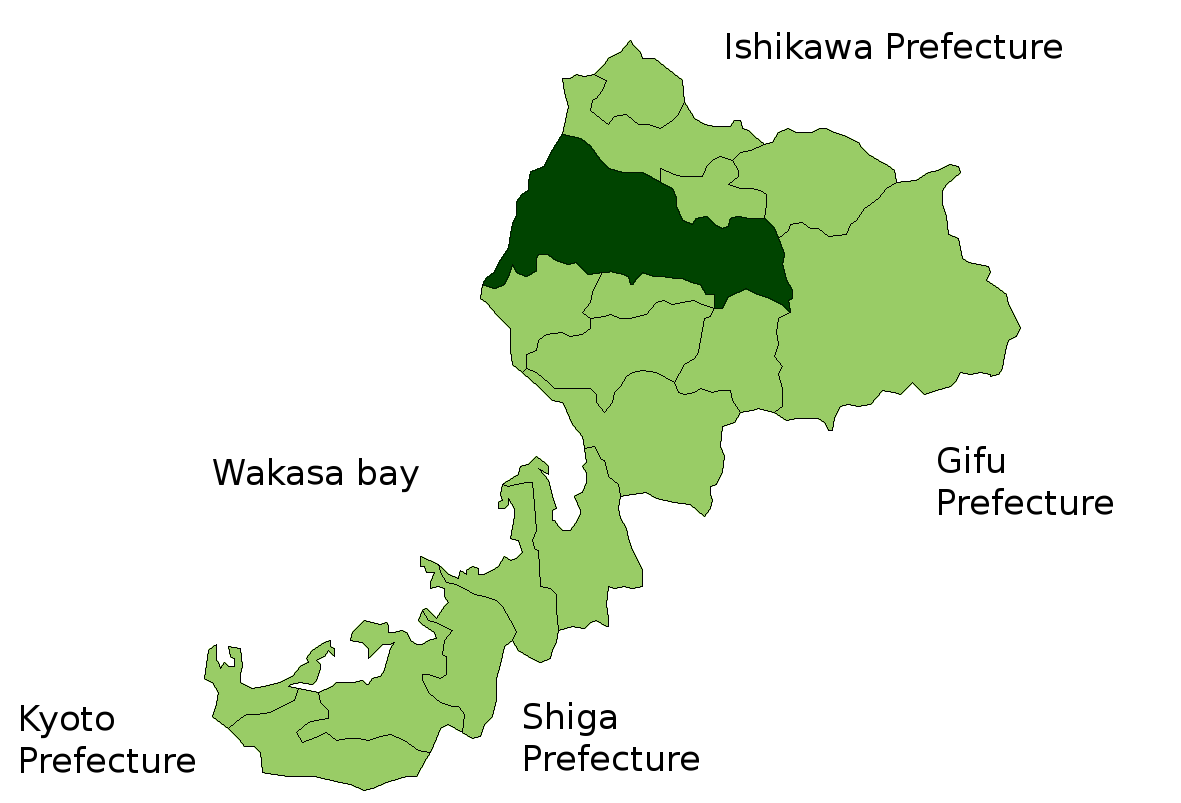
Fukui (福井市, Fukui-shi) is the capital city of Fukui Prefecture and lies on the Sea of Japan side of Honshu. The city functions as the political, economic and cultural hub of the prefecture. It has a population of roughly 260,000 (mid-2021) and covers about 275 square kilometres. In 2019 Fukui was designated a "core city," a legal status that grants expanded administrative authority within Japan's system of local government.
Image gallery
10 Images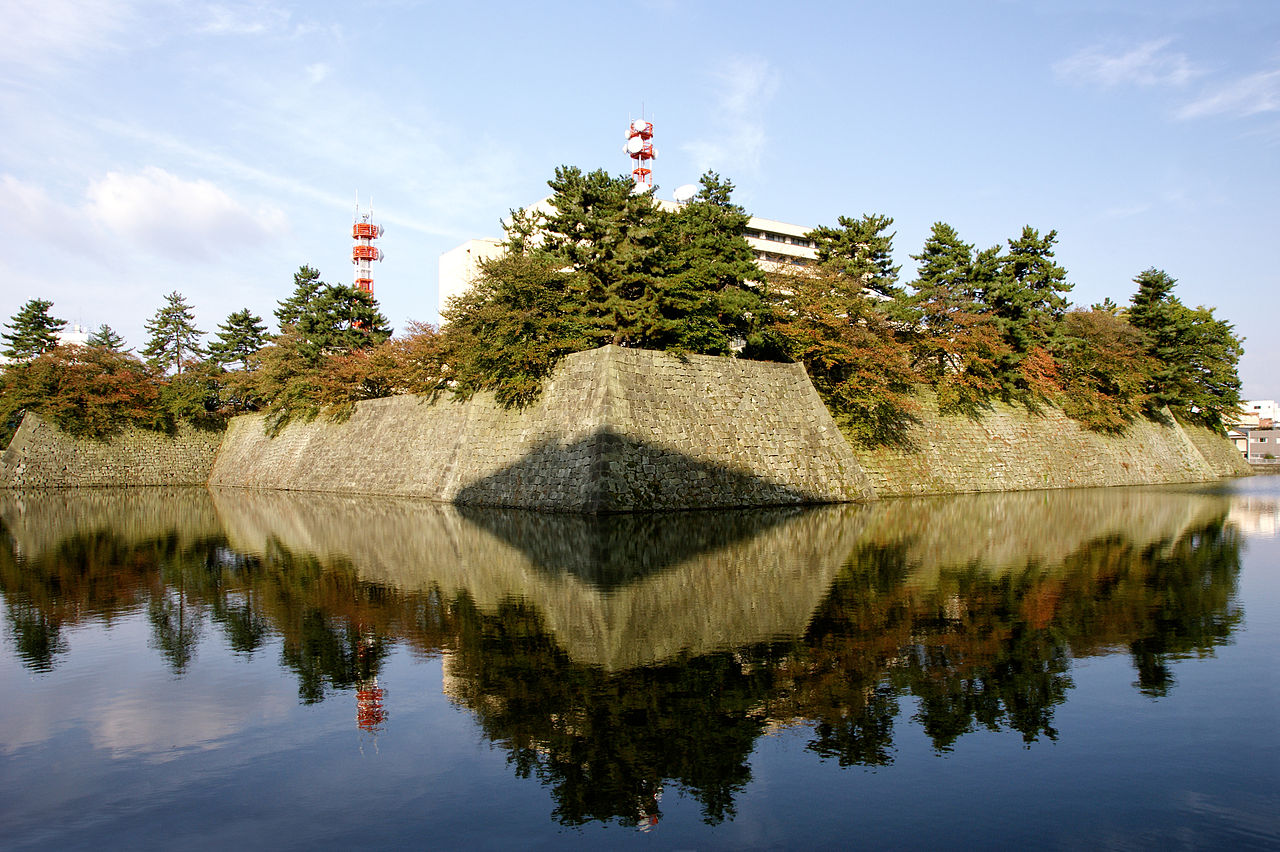



Geography and climate
Fukui's urban centre is clustered around JR Fukui Station and the rivers that flow to the coast. The municipality mixes a compact downtown, residential suburbs and agricultural land on its outskirts. The climate is characteristic of the Sea of Japan coast: warm, humid summers and cool winters with snowfall at times, influenced by winter monsoon winds.
History
The area developed within historic Echizen Province and later as the castle town for the Fukui Domain during the Edo period. Fukui's modern growth accelerated in the Meiji era as industry and transportation links expanded. The city suffered heavy damage from air raids during World War II and from a major earthquake in 1948; successive reconstruction and planning shaped much of the modern urban layout.
Economy and industry
From the Meiji period through much of the 20th century textile production—especially silk fabrics—was a key industry for Fukui. While that sector has declined since World War II, textiles and related fabric production remain part of the local economy. Fukui's economy is now more diversified, including chemical manufacturing, precision machinery, electrical components, public administration and services connected to education and healthcare.
Culture, crafts and cultural properties
The city and surrounding prefecture preserve a range of traditional crafts and cultural practices. Regional products associated with Echizen include washi paper and lacquerware, and Fukui city itself records more than 180 cultural properties that encompass historic buildings, artworks and culturally important landscapes. Museums, local festivals and seasonal events contribute to an active civic life.
Dinosaurs and civic identity
Fukui Prefecture is widely associated with dinosaur fossils and paleontology. That regional interest is visible in Fukui city through public sculptures and motifs near JR Fukui Station and in public spaces. These dinosaur sculptures serve as local landmarks and symbols of the prefecture's paleontological heritage; examples of such displays are noted among the city's public artworks and monuments (dinosaur monuments). The wider prefecture is home to the prominent Fukui Prefectural Dinosaur Museum, which attracts visitors and supports research and education.
Transport, education and urban development
Fukui is a regional transport node with JR railway services, local lines and road connections to neighbouring prefectures. The station area has undergone redevelopment in recent years, including a station plaza project called "Happiring" intended to improve access and urban amenities. The University of Fukui and other institutions provide higher education and research capacity, contributing to the city's role as an administrative and academic centre. For an overview of the wider administrative region, see Fukui Prefecture.
Visitor notes
- Historic sites: remains related to the castle town and traditional architecture can be explored in and around the city.
- Local crafts: visitors may find Echizen washi and lacquerware, and a continuing textile tradition including silk fabrics preserved in local workshops and shops; further reading on textile history is accessible under silk fabrics.
- Seasonal attractions: riverside cherry blossoms in spring and seasonal festivals draw local and regional visitors.
Fukui combines the administrative functions of a prefectural capital with regional industry, cultural preservation and links to a distinctive paleontological identity that is a significant part of local tourism and education.
Related articles
Author
AlegsaOnline.com Fukui (city): capital of Fukui Prefecture, Japan Leandro Alegsa
URL: https://en.alegsaonline.com/art/36928
Sources
- books.google.com : "Fukui'"
- hindawi.com : "Japan's Evolving Nested Municipal Hierarchy: The Race for Local Power in the 2000s,"
- hindawi.com : Table 3