
Fujimi, Saitama
Fujimi is a city in Saitama Prefecture, Japan, within the Greater Tokyo area. It is primarily a residential and commuter town with local parks, shrines, and rail links to central Tokyo and neighboring communities.
Overview
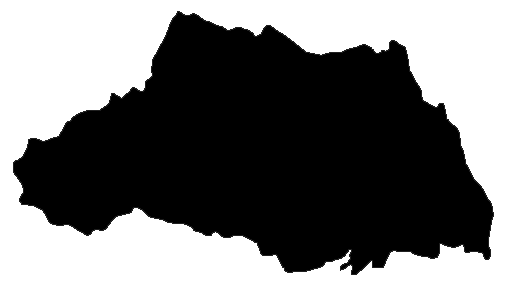
Fujimi (富士見市) is a municipality in Saitama Prefecture in the Kantō region of Japan. Located near the southern border of the prefecture, it forms part of the Greater Tokyo metropolitan area and functions largely as a residential and commuter city. For official information see the city website at Fujimi city.
Image gallery
4 Images


Geography and climate
The city occupies a relatively flat area of the Kantō Plain, with an urban pattern of housing, parks and small commercial districts. Its climate is temperate with four distinct seasons: warm, humid summers and cool winters with occasional snowfall. Green spaces and rivers within and around the city provide recreational opportunities for residents.
History and development
Fujimi's modern growth is linked to the postwar expansion of Tokyo when suburbanization and improved rail connections encouraged residential development. Over several decades the area transitioned from agricultural villages to commuter neighborhoods, with community facilities, schools and local businesses emerging to serve a growing population.
Transportation
Good transport links are a defining feature of Fujimi, enabling daily commuting to central Tokyo and nearby Saitama cities. Rail and road corridors connect the city to the wider region. Typical services include:
- Regional and suburban rail lines providing frequent passenger service to Tokyo and suburban hubs.
- Local and regional bus routes linking neighborhoods, schools and shopping areas.
- Road connections to prefectural routes and expressways that serve freight and private vehicles.
Economy, education and culture
The local economy is dominated by residential services, retail, education and light manufacturing. Schools, community centers and libraries support family life, while parks and sports facilities host seasonal events. Cultural life often centers on community festivals, Shinto shrines and small museums highlighting local history. For regional context consult Saitama Prefecture resources at Saitama Prefecture.
Notable facts and distinctions
Fujimi should not be confused with other places of the same name elsewhere in Japan. While it does not usually attract the same level of tourism as larger cities, its role as a suburban center makes it important to the daily functioning of the Greater Tokyo area. Visitors and residents can find tourist and visitor guidance through local information portals such as regional guides.
Related articles
Author
AlegsaOnline.com Fujimi, Saitama Leandro Alegsa
URL: https://en.alegsaonline.com/art/36919