
Freimut Duve — German politician, writer and advocate for media freedom
Overview of Freimut Duve (1936–2020), his political career in the SPD and Bundestag, his work as OSCE Representative on Freedom of the Media, and his contributions as an author and public intellectual.
Overview
Freimut Duve (26 November 1936 – 3 March 2020) was a German politician, writer and public intellectual. Born in Würzburg, he combined parliamentary work with cultural and human-rights concerns, becoming especially known for his advocacy on freedom of expression and media pluralism. He was a long-time member of the Social Democratic Party (SPD) and later served in an international role for the Organization for Security and Co-operation in Europe.
Image gallery
2 Images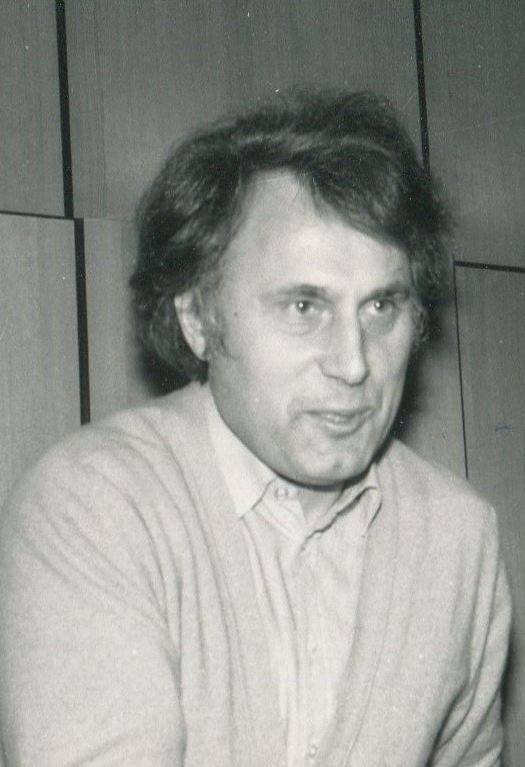

Political career
Duve represented his party in the German Bundestag from 1980 until 1990. During his time in parliament he participated in debates on cultural policy, human rights and international affairs, reflecting his background as both a writer and an engaged politician. His parliamentary service spanned a period of change in Germany and Europe, and he was part of the SPD’s efforts to shape policy on civil liberties and cultural funding.
OSCE role and media freedom work
From 1998 to 2004 Duve served as the OSCE Representative on Freedom of the Media, a post charged with monitoring and promoting press freedom across OSCE participating states. In that capacity he reported on threats to journalists, advocated for legal protections for the press, and engaged with governments and non-governmental organizations to encourage pluralistic media environments. His tenure highlighted the growing international attention to media independence at the turn of the 21st century.
Writing, themes and influence
Alongside his public offices, Duve was a prolific writer and commentator. He authored essays and books addressing politics, culture and human rights, and contributed to debates about reconciliation, democratic values and the responsibilities of intellectuals. His literary and journalistic work reinforced his reputation as a mediator between cultural life and political decision-making, and earned him respect among colleagues in publishing and civil society.
Legacy and death
Duve died in Hamburg on 3 March 2020 at the age of 83. He is remembered for bridging national politics and international advocacy for media freedom, and for combining a career in elected office with sustained engagement in literary and human-rights issues. Notable aspects of his legacy include:
- Parliamentary service in the Bundestag (1980–1990)
- Membership in the Social Democratic Party and involvement in cultural policy
- Tenure as OSCE Representative on Freedom of the Media (1998–2004)
- Contributions as an author and public intellectual on freedom of expression and human rights
For further reading about his career, roles and published work, consult institutional biographies and collections of his essays and speeches available through major archives and library catalogues. Relevant official profiles and reports created during his OSCE mandate provide detailed accounts of his initiatives and public statements.
Related articles
Author
AlegsaOnline.com Freimut Duve — German politician, writer and advocate for media freedom Leandro Alegsa
URL: https://en.alegsaonline.com/art/36559