
Frida Kahlo: life, art, and enduring cultural influence
Frida Kahlo (1907–1954), a Mexican painter known for vivid self-portraits and themes of pain, identity and nationalism, became a major feminist and cultural icon; her house in Coyoacán is now a museum.
Overview
Magdalena Carmen Frida Kahlo y Calderón (6 July 1907 – 13 July 1954) is one of Mexico's most recognised artists. Often described as a Mexican painter, she created a compact but powerful body of work. Her images mix personal narrative, folk motifs and symbolic detail, and they are frequently associated with surrealist exhibitions though Kahlo herself resisted that label.
Image gallery
10 Images




Early life and illness
Kahlo was born and raised in Coyoacán, then a suburb of Mexico City. As a child she contracted polio, an illness that left her with a weakened right leg and shaped her mobility and body image for life. Some scholars and doctors have suggested she may also have had a congenital spinal condition such as spina bifida. She originally planned to study medicine but a serious tram accident at age 18 fractured her spine and pelvis and caused lifelong pain and repeated surgeries. After the crash she abandoned medical training and turned to painting, often using her own appearance and experiences as subject matter; of about 143 paintings, fifty-five are self-portraits.
Artistic style and themes
Kahlo's work is characterised by vivid colours, precise draftsmanship and a blending of European realism with indigenous Mexican symbolism. She drew on pre-Columbian and popular art, traditional clothing and botanical motifs to craft images that address identity, suffering, gender and national culture. Pain—both physical and emotional—appears directly in many works, as do themes of infertility, miscarriage and bodily fragmentation. While galleries sometimes placed her alongside contemporary surrealists, Kahlo maintained that her paintings were autobiographical rather than dream imagery.
Personal life and politics
Her relationship with muralist Diego Rivera was intense and public: they married, divorced, and remarried, and Rivera's stature helped bring attention to Kahlo's work. Kahlo was openly bisexual and politically engaged, aligning with leftist and communist causes in Mexico and abroad. Her choice of traditional Tehuana dress and her political commitments made her persona a statement about Mexican identity and independence.
Legacy, museum and cultural standing
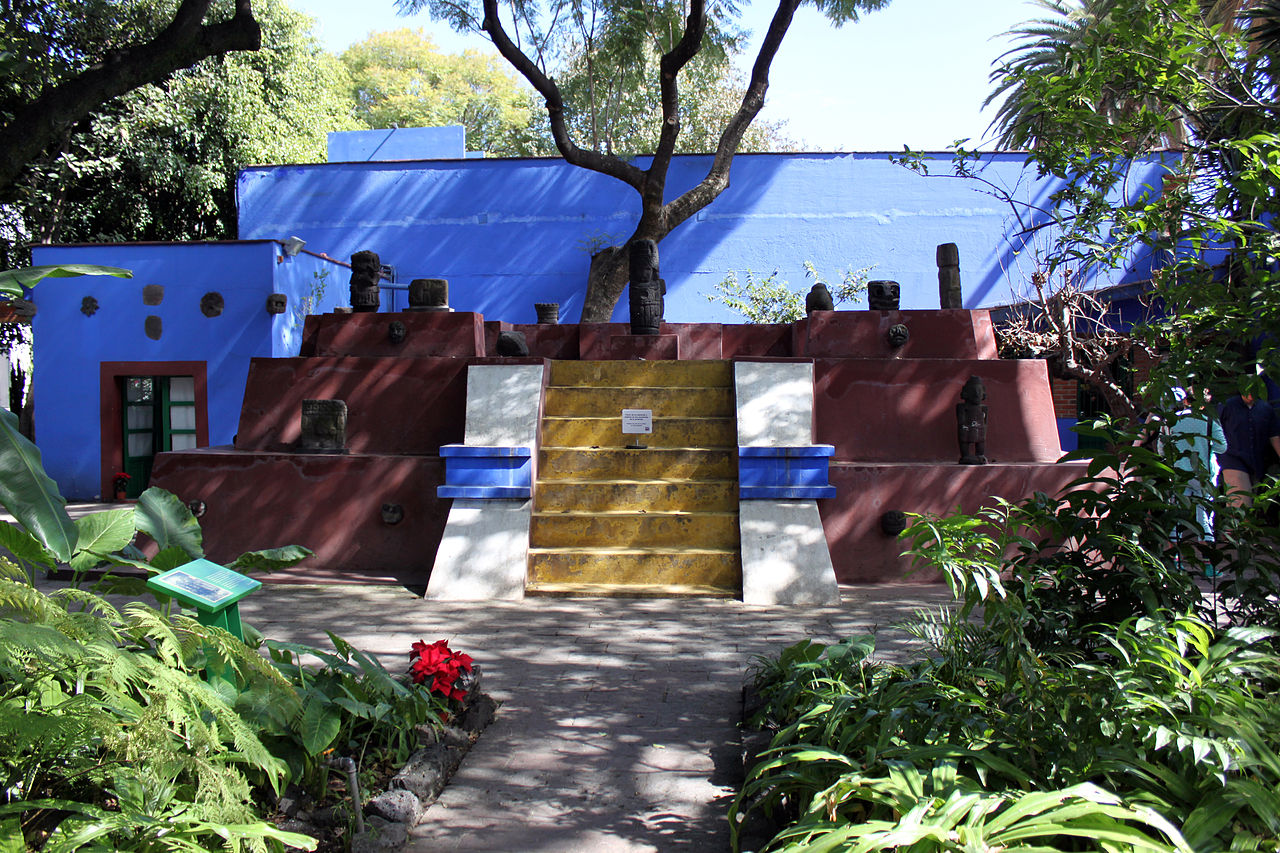
After her death in 1954—officially attributed to a pulmonary embolism complicated by bronchopneumonia—Kahlo's reputation grew steadily. In the later decades of the 20th century she was rediscovered by scholars and activists, and she became an emblematic figure for feminist and queer movements. Her life and image have circulated widely in popular culture, academic study and exhibition. Her former home in Coyoacán is preserved as the Frida Kahlo Museum, and her status as a cultural emblem is often described as a lasting cult phenomenon that took shape especially in the late 20th century. Feminist readers and artists have emphasised how her frank attention to female experience made her a key reference point in modern art and social history; see perspectives on feminism and identity.
- Key facts: Kahlo produced a relatively small oeuvre, including many self-portraits that document her body and suffering.
- She combined popular Mexican visual traditions with intimate symbolism and a meticulous technique.
- Her public life included high-profile collaborations and conflicts with fellow artists and political figures.
- Her medical history and disability informed both her subject matter and public image; see discussions of disability in relation to her work here.
Kahlo's life and art continue to be studied for their layered meanings: as personal confession, national mythmaking, and a powerful articulation of how an artist can convert suffering into visual form. For a guided entry to her life and works, many visitors consult curated museum collections and scholarly introductions that place her paintings in historical, cultural and political context.
Questions and answers
Q: Who was Frida Kahlo?
A: Frida Kahlo was a Mexican painter who was known for her surreal and very personal works. She was married to Diego Rivera, also a well-known painter.
Q: Where was she born?
A: She was born in Coyoacán, Mexico.
Q: What medical conditions did she have?
A: She had polio that left her disabled when she was 6 years old and some think that she may have had spina bifida (a birth defect affecting the development of part of the spine).
Q: What did she study before becoming an artist?
A: Before becoming an artist, Kahlo studied medicine and was going to become a doctor.
Q: How did her accident affect her life?
A: After suffering from a traffic accident at age 18 which badly injured her, Kahlo no longer continued her medical studies but took up painting instead. She experienced periods of severe pain for the rest of her life as a result of this accident.
Q: What themes were present in Kahlo's paintings?
A: Her paintings often featured shocking images depicting pain and harsh lives of women, especially those related to not being able to have children. Fifty-five out of 143 paintings are self portraits by Kahlo herself. Additionally, native Mexican culture is reflected in bright colors with realism and symbolism mixed together throughout many pieces.
Q: How has Frida Kahlo been remembered in recent decades?
A: In recent decades, Frida Kahlo has become something of a feminist cult figure due to her attention to female themes and honesty in painting them. Her work can be seen at the Frida Kahlo Museum found in Coyoacán where she lived most of her life until passing away from pulmonary embolism caused by bronchopneumonia there as well
Related articles
Author
AlegsaOnline.com Frida Kahlo: life, art, and enduring cultural influence Leandro Alegsa
URL: https://en.alegsaonline.com/art/36700
Sources
- frida-kahlo-foundation.org : Biography
- wikidata.org : wikidata.org/wiki/Q5588
- authority.bibsys.no : 90131171
- bncatalogo.cl : 000175458
- catalogo.bne.es : XX1119271
- catalogue.bnf.fr : cb12515307z
- data.bnf.fr : (data)
- cantic.bnc.cat : a10108142
- ci.nii.ac.jp : DA04306476
- d-nb.info : 11855932X
- isni.org : 0000 0001 2147 7893
- id.loc.gov : n82031966
- kopkatalogs.lv : 000030097
- id.ndl.go.jp : 00469205
- aleph.nkp.cz : mzk2003175441