
Freiberg, Saxony: historic mining town and university centre
Freiberg is a Saxon town founded in 1186, long shaped by silver mining in the Ore Mountains. It hosts the historic Bergakademie, mineral collections, preserved medieval architecture and wartime history.
Overview
Freiberg is a historic town in the Free State of Saxony, Germany, long associated with the Ore Mountains mining region. Founded in 1186, it grew around the discovery and extraction of silver and other ores and later became a regional centre for mining administration, education and mineral research. For municipal and visitor information see the town's pages: Freiberg official site.
Image gallery
10 Images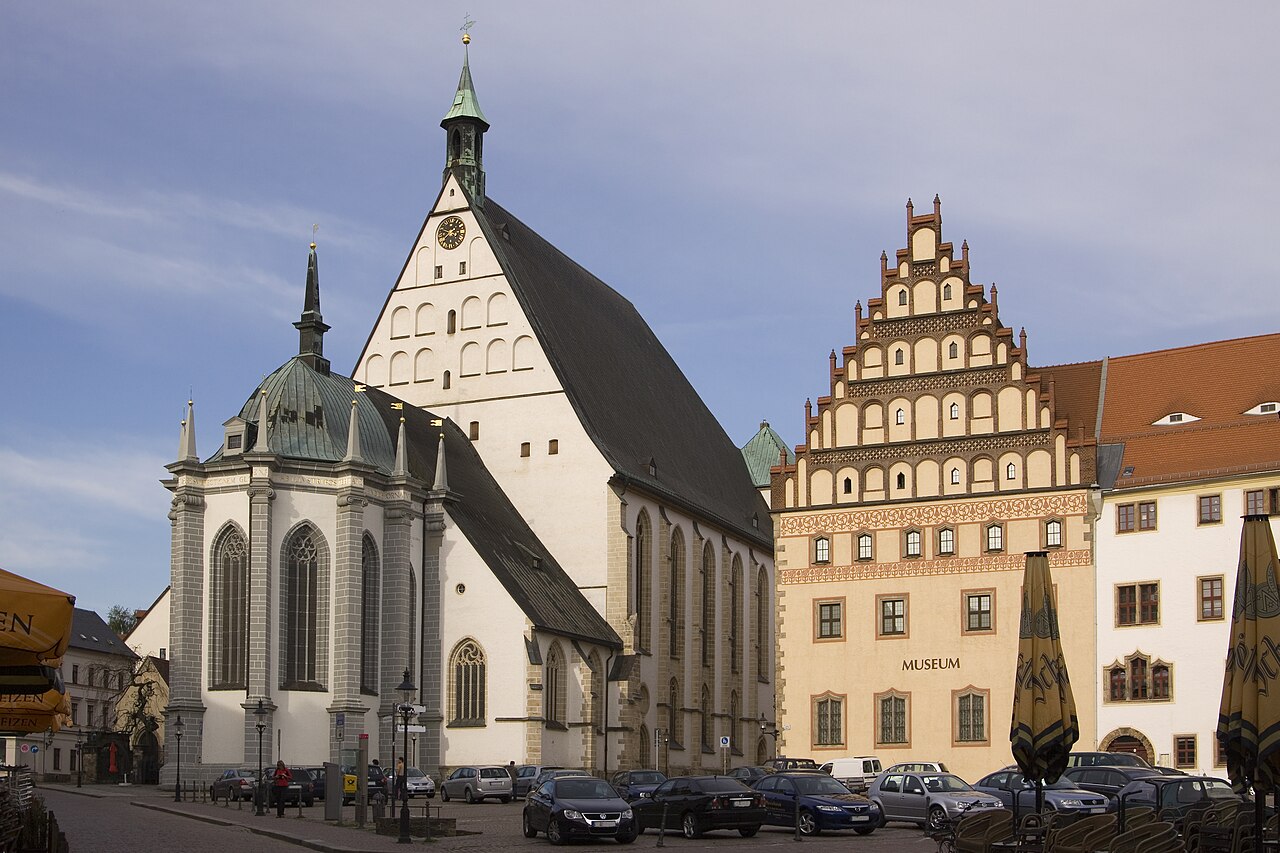




Mining heritage and development
The town’s development was driven by medieval and early modern mining. Prospecting and ore extraction established Freiberg as an economic hub where metallurgy, smelting and mine engineering advanced local technology and trade. The surrounding Erzgebirge (Ore Mountains) form a continuous cultural landscape whose mining legacy has shaped settlement patterns, industry and craft traditions across the region; further context is available via resources on the Ore Mountains: Ore Mountains mining history.
Education, collections and research
Freiberg is noted for its long-standing mining university, the Bergakademie, founded in the 18th century, which specialises in mining, metallurgy and earth sciences and has influenced technical education in Europe. The town also preserves extensive mineral collections and exhibition spaces linked to academic research; some of these collections are displayed in historic buildings that present specimens, mining tools and interpretive material for scholars and visitors.
Architecture, culture and landmarks
Freiberg’s old town retains medieval and baroque streetscapes, churches and civic buildings. The Cathedral of St. Mary (Dom) contains notable organ work by the Silbermann family and is a focal point of the historic centre. The former town castle and museums house exhibits on local history, mining technology and mineralogy, and the area hosts festivals and events that commemorate mining traditions and local crafts.
20th century and wartime history
During the Second World War a subcamp associated with the Flossenbürg concentration camp was established near Freiberg in 1944 to supply forced labour. Hundreds of prisoners, many transferred from other camps, were held there for a short but tragic period before evacuations in the spring of 1945. Memorial and research resources provide further information about these events: Flossenbürg and subcamp history.
Economy, tourism and legacy
Today Freiberg combines higher education and research with tourism centred on its mining heritage, museums and preserved urban fabric. Visitors come for guided mine tours, mineral exhibits, historic churches and to explore the cultural landscape of the Ore Mountains. The town remains an example of how mineral wealth shaped regional identity, technology and institutions over many centuries.
Quick facts and notable features
- Founded: 1186 (medieval silver rush)
- Key institutions: Bergakademie (mining and metallurgy education)
- Heritage: preserved old town, cathedral with Silbermann organ, mineral collections
- Modern roles: research, education, cultural tourism
Related articles
Author
AlegsaOnline.com Freiberg, Saxony: historic mining town and university centre Leandro Alegsa
URL: https://en.alegsaonline.com/art/36546