
Frederick IX of Denmark (1899–1972)
King of Denmark from 1947 to 1972; a career naval officer turned constitutional monarch whose reign included post‑war modernization and a 1953 succession reform that enabled Queen Margrethe II.
Overview
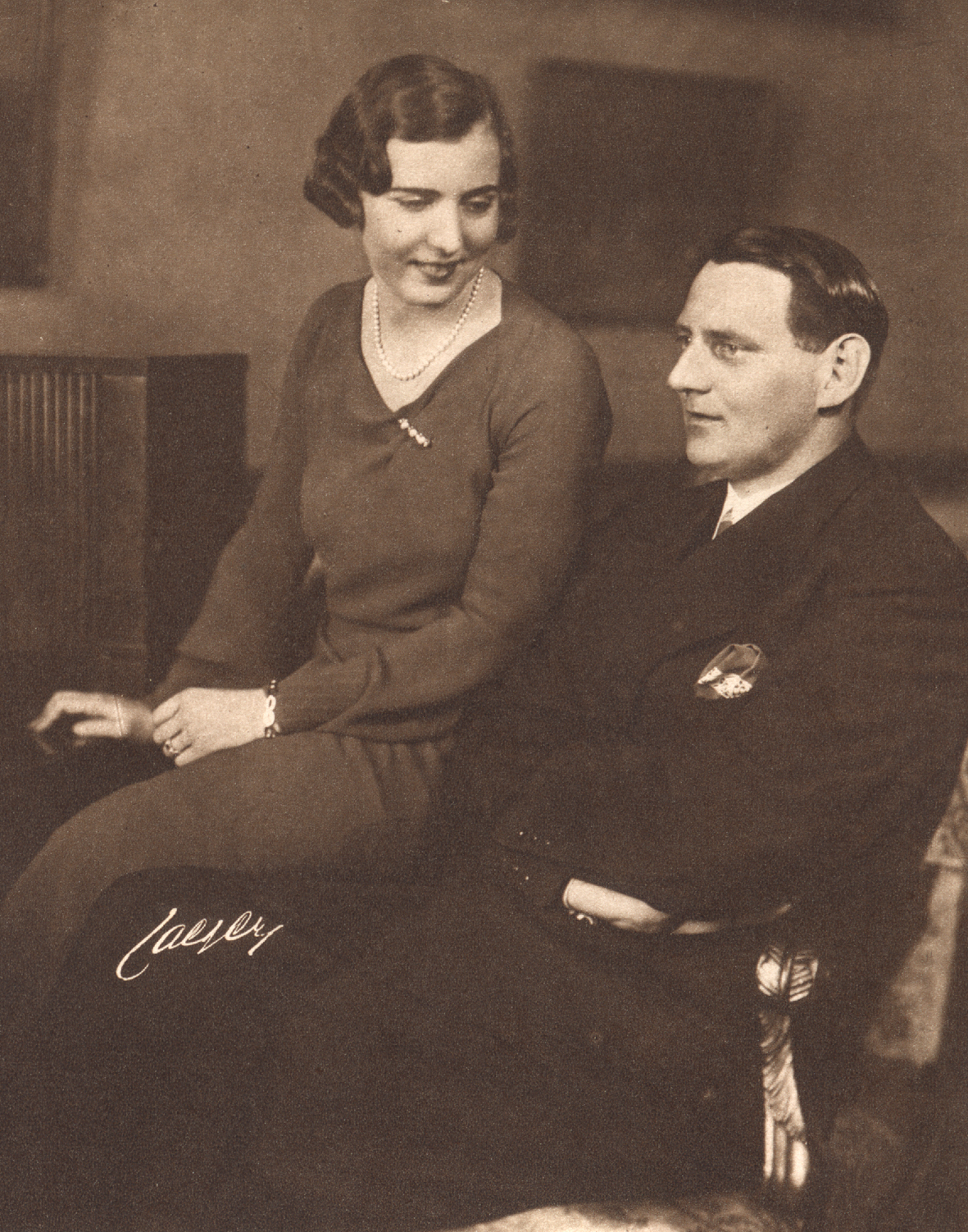
Frederick IX (11 March 1899 – 14 January 1972) reigned as King of Denmark from 20 April 1947 until his death in 1972. Born to King Christian X and Queen Alexandrine, he was a member of the House of Glücksburg and became a well‑known public figure who bridged a conservative dynasty and a modern, democratic welfare state.
Image gallery
7 Images



Early life and naval career
Educated for service in the Royal Danish Navy, Frederick developed a professional background as a naval officer before ascending the throne. His military training and service shaped his demeanor, public image and manner of representing the crown in ceremonial and state functions.
Reign and constitutional role
As a constitutional monarch, Frederick IX's powers were largely formal, but his personal conduct and choices influenced public perceptions of the monarchy. He guided official ceremonial life, state visits and representative duties during a period that included post‑war reconstruction, social reforms and Denmark’s integration into international institutions. He was widely regarded as a stabilizing and approachable head of state.
Family and succession
In 1935 he married Princess Ingrid of Sweden. They had three daughters:
- Margrethe (born 1940) — became Queen Margrethe II after Frederick's death
- Benedikte (born 1944)
- Anne‑Marie (born 1946)
Notably, the Danish Act of Succession was amended in 1953 to permit female succession in the absence of brothers, a change that made his eldest daughter the heir presumptive and ultimately led to the accession of Margrethe II in 1972.
Legacy and notable facts
Frederick IX is remembered for modernizing the public image of the Danish monarchy and for presiding over a period of social consolidation after World War II. He maintained close ties to military tradition while adapting the royal household to a more informal and popular style of public engagement. His reign marked the final male‑line succession of the dynasty and a transition to the current line of female monarchs.
Related articles
Author
AlegsaOnline.com Frederick IX of Denmark (1899–1972) Leandro Alegsa
URL: https://en.alegsaonline.com/art/36420