
Fred J. Doocy: Connecticut Banker and Public Official (1913–2017)
Biography of Fred J. Doocy, Connecticut state senator, 77th lieutenant governor, banker, and centenarian; overview of career, public roles, personal life and legacy.
Frederick J. "Fred" Doocy (May 5, 1913 – December 7, 2017) was an American public figure known for a dual career in state government and banking. He represented his community in the Connecticut State Senate for much of the 1950s and 1960s and served briefly as the state's 77th Lieutenant Governor of Connecticut. His life spanned more than a century and he remained active in civic circles after leaving elective office.
Image gallery
1 Image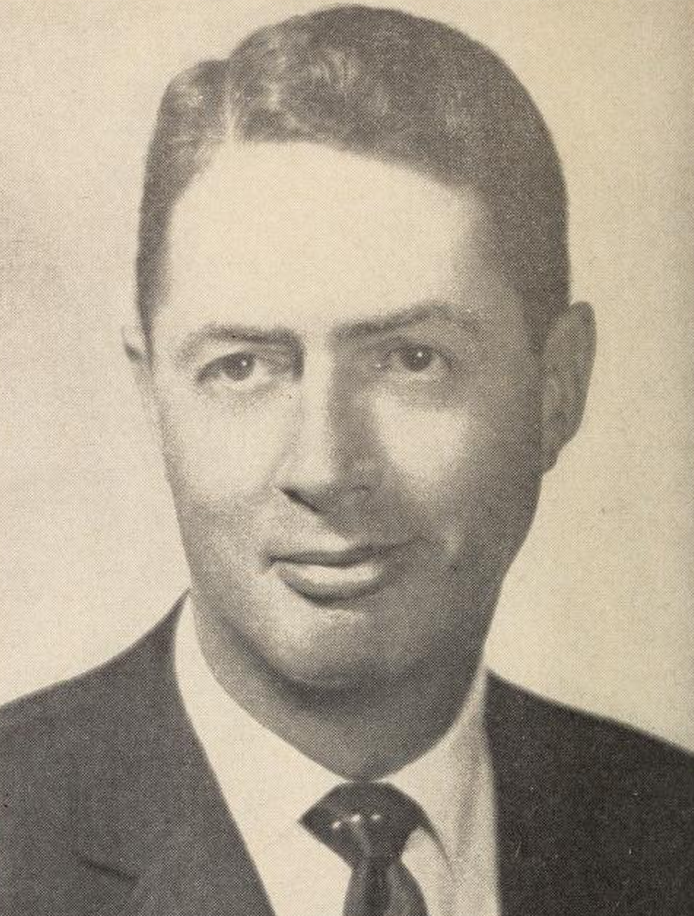
Early life and family
Doocy was born in Hartford, Connecticut, and established deep ties to the region over his long life. In 1942 he married Mary O'Keefe; the couple raised five children together. He reached his 100th birthday in 2013, a milestone noted by neighbors and local organizations, and continued to mark his later years with family and community connections (turning 100).
Political career
Doocy served in the Connecticut state senate from 1958 until 1967, a period in which state legislatures addressed postwar growth and infrastructure needs. During the 1966–1967 interval he held the office of lieutenant governor, a role that in Connecticut traditionally includes presiding over the state senate and assuming gubernatorial duties when required. His tenure in elective office reflected the era's emphasis on local leadership and fiscal oversight.
Alongside elected service, Doocy was professionally active in the banking sector. As a banker, he worked with local financial institutions and community enterprises, bringing private-sector experience to his public responsibilities. That combination of roles—both political and financial—shaped his approach to budgetary and economic questions during his time in public life.
In retirement Doocy remained a respected elder statesman in Connecticut circles. He died on December 7, 2017, in Manchester, Connecticut, at the age of 104. His longevity and long record of community involvement were frequently mentioned in remembrances and local histories.
Summary facts
- Name: Frederick J. "Fred" Doocy
- Born: May 5, 1913, in Hartford
- Political roles: Connecticut State Senator (1958–1967); 77th Lieutenant Governor (1966–1967)
- Profession: banker and civic leader (politician and banker)
- Family: married Mary O'Keefe in 1942; five children
- Notable: celebrated his 100th birthday in 2013 (centenary); died December 7, 2017 in Manchester
This concise portrait highlights Doocy's blended career in finance and public service and places his work within the mid-20th-century context of Connecticut governance. For additional context on the offices he held and the institutions he served, see state archives and local historical resources (biographical sources).
Related articles
Author
AlegsaOnline.com Fred J. Doocy: Connecticut Banker and Public Official (1913–2017) Leandro Alegsa
URL: https://en.alegsaonline.com/art/36375
Sources
- carmonfuneralhome.com : "Frederick Doocy Obituary"