
Fred Page — Canadian ice hockey administrator and organizer
Fred Page (1915–1997) was a Canadian ice hockey administrator who advanced amateur and junior hockey, promoted international tours, served as an IIHF executive, helped form Pacific Coast junior hockey and entered the Hall of Fame.
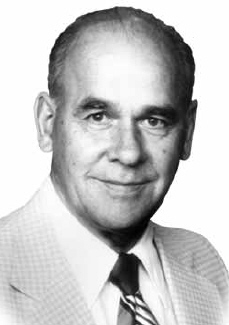
Frederick "Fred" Page (September 29, 1915 – December 23, 1997) was a Canadian ice hockey administrator whose work helped shape amateur and junior hockey in Canada and its relations with international bodies. Born in Port Arthur, Ontario, Page built a long career in hockey governance, combining organizational skill, attention to player development and a focus on international exchanges that broadened opportunities for Canadian teams and players.
Image gallery
10 Images


Early life and background
Page was born in Port Arthur, a city that later became part of Thunder Bay following municipal amalgamation. He became active in hockey administration at local and regional levels before taking on senior roles with national organizations. Over several decades he became known for steady leadership during periods of change in amateur sport.
Roles in Canadian amateur hockey
As a senior official with the Canadian Amateur Hockey Association (CAHA), Page influenced policies affecting amateur competition, player development pathways and interprovincial cooperation. The CAHA was the governing body responsible for amateur hockey across Canada, and Page's work involved coordination between local leagues, provincial branches and the national office to foster sustainable competition structures.
International engagement and IIHF
Page placed particular emphasis on international exchange. He was instrumental in arranging tours that sent Canadian amateur teams to Europe to gain broader competitive experience and to strengthen sporting ties. Those efforts were part of a larger movement to improve international relations in the sport. Page later served as an executive vice-president of the International Ice Hockey Federation (IIHF) from 1969 to 1972, participating in high-level discussions about international amateur competition and the governance of the game.
Junior hockey and regional organization
At the regional level on Canada’s Pacific coast, Page helped establish and support junior leagues that provided organized pathways for young players. He was involved in the founding of the Pacific Coast Junior Hockey League, a body intended to improve competitive opportunities and administration for junior clubs. Over time, regional leagues evolved through mergers and reorganizations to respond to changing demographics and the needs of the sport.
Legacy and recognition
Fred Page’s contributions were recognized by his induction into the Hockey Hall of Fame in 1993, an honour that acknowledged his long service to hockey administration. Beyond formal honours, his name has been associated with events and commemorations that remember the work of administrators who sustained amateur and junior hockey at local, national and international levels.
Notable contributions
- Promoted European tours for Canadian amateur teams to broaden competitive exposure and international goodwill.
- Served in senior roles with the CAHA and as an IIHF executive, helping to bridge national and international governance.
- Contributed to the formation and organisation of junior hockey on the Pacific coast, supporting player development systems.
- Recognised by induction into the Hockey Hall of Fame for lifetime service to the sport.
For context on the organisations and initiatives associated with Page, see materials on sports administration and league histories: sports executive profiles, histories of hockey leagues, and regional background for Port Arthur, Ontario. Accounts of international tours and federation negotiations are discussed in studies of exchanges between national associations and the IIHF. Further reading on the origins and development of junior leagues can be found through records related to European tours and regional league histories. Institutional recognitions such as the Hockey Hall of Fame provide additional context for Page's lasting influence.
Fred Page exemplified administrators whose behind-the-scenes work created competitive opportunities and maintained connections between grassroots organisations and international federations. His contributions helped lay foundations that continued to influence how junior and amateur hockey are organised and governed after his death in 1997.
Related articles
Author
AlegsaOnline.com Fred Page — Canadian ice hockey administrator and organizer Leandro Alegsa
URL: https://en.alegsaonline.com/art/36381