
Fred Kida
Fred Kida (1920–2014) was a Japanese‑American comic book and comic strip artist, best known for his work on the 1940s aviator hero Airboy and the complex antagonist-turned-ally Valkyrie.
Fred Kida (December 12, 1920 – April 3, 2014) was a Japanese‑American artist who worked in American comic books and syndicated comic strips. Born in Brooklyn, New York City, New York, Kida is primarily remembered for his illustrations of the 1940s aviator hero Airboy and for his handling of the character Valkyrie, a recurring foil who sometimes acted as an ally. He died of natural causes on April 3, 2014, at the age of 93.
Image gallery
3 Images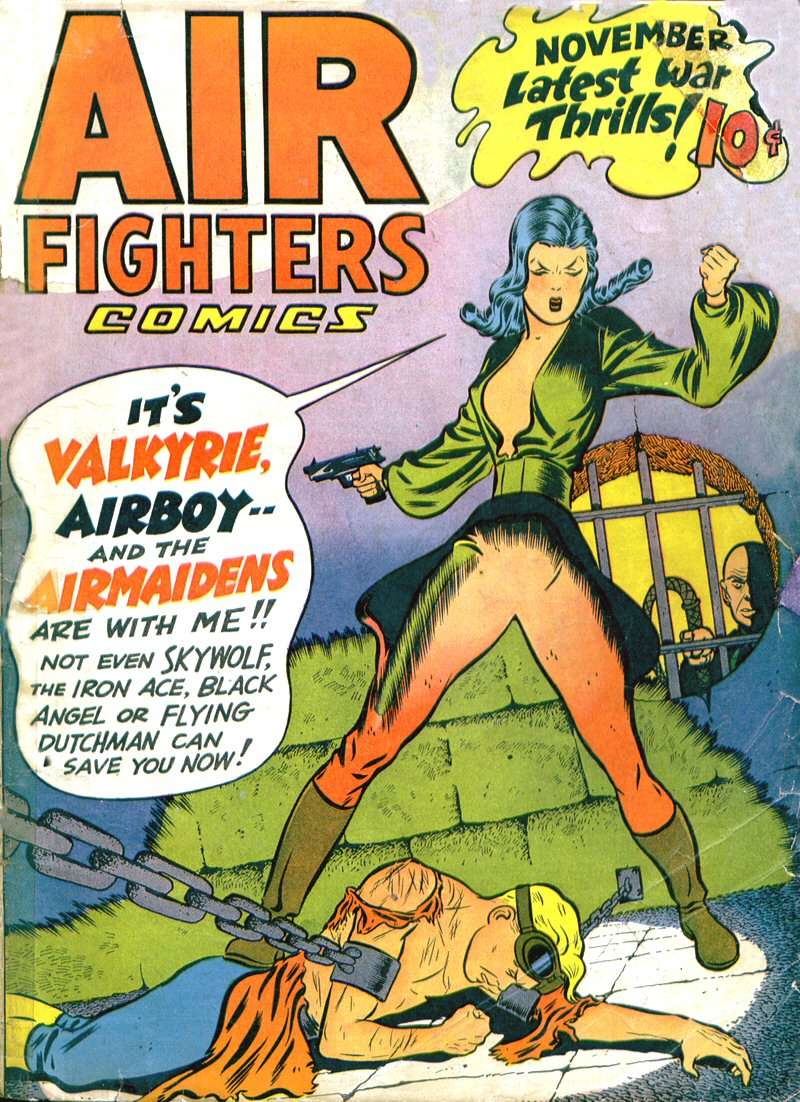

Early life and background
Contemporary accounts describe Kida as part of a generation of artists who came of age as the American comics industry expanded in the late 1930s and 1940s. Like many of his peers, he developed skills as both a penciller and inker and moved between comic-book features and newspaper work. Biographical summaries emphasize his status as a Japanese‑American creator working in a predominantly Anglo-American industry during and after World War II.
Career and notable work
Kida made his reputation drawing aviation and adventure stories. His most widely cited contributions are to the Airboy series, where his clear line work and dynamic staging helped convey aerial action and dramatic confrontation. The character of Valkyrie, introduced as an antagonist and later portrayed at times as an ally, provided a recurring dramatic counterpoint to the hero and showcased Kida's ability to render nuanced character interactions as well as action sequences.
Artistic approach
Kida's art is often described as precise, readable and economical, favoring strong composition and a sense of motion that suited serialized adventure storytelling. Observers note his reliable figure work, coherent page layouts and an emphasis on storytelling clarity—qualities that made his pages effective in both single-issue comics and ongoing newspaper strips. Entries on the role of the artist in comics refer to these same skills as central to commercial illustration of the period.
Legacy
Though not as widely known as some contemporaries, Kida's work remains of interest to historians and collectors studying Golden Age comics and the portrayal of wartime and postwar themes. His career illustrates how mid‑20th‑century illustrators balanced recurring characters, serialized plotting and the technical demands of action-oriented graphics. For further background on the medium and its creators, consult standard introductions to the history of the comic book and surveys of newspaper comic strips.
Further resources
Short biographical entries, artist directories and specialized histories of Golden Age comics provide additional context for Kida's career and the cultural moment in which he worked. Researchers can also consult archive listings and collector guides for examples of his published pages and recurring features.
Related articles
Author
AlegsaOnline.com Fred Kida Leandro Alegsa
URL: https://en.alegsaonline.com/art/36377
Sources
- legacy.com : "Fred Kida Obituary"