
Franz Berwald: Swedish Romantic Composer (1786–1868)
Franz Berwald was a Swedish 19th-century composer whose innovative music gained recognition only after his lifetime; he worked as a surgeon and industrial manager while composing symphonies, chamber music and operas.
Overview
Franz Adolf Berwald (23 July 1786 – 3 April 1868) was a Swedish composer active in the 19th century. Born and died in Stockholm, he belonged to a long-established musical family spanning several generations. During his lifetime his compositions drew little public approval, and he supported himself through non-musical occupations while continuing to write symphonies, chamber music and stage works.
Image gallery
4 Images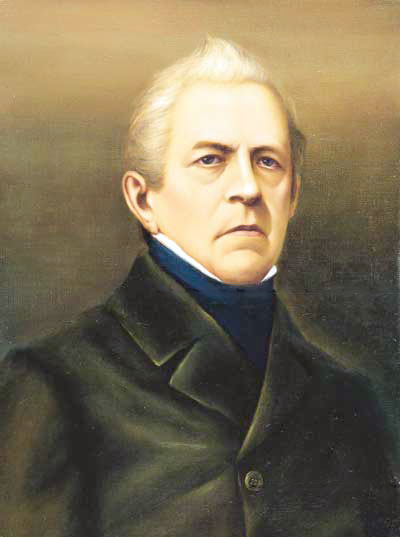


Life and career
Berwald's adult life combined artistic ambition with practical employment. Because concert audiences and institutions offered limited support, he pursued alternative careers to earn a living. He worked in medical and industrial roles, including a period as an orthopedic practitioner and later as manager of industrial enterprises such as a saw mill and a glass factory. These duties occupied much of his time, but he continued composing throughout his life.
Music and stylistic traits
Although his output was not widely celebrated in his lifetime, Berwald wrote across several genres: large-scale orchestral works, chamber pieces, and operatic music. His scorewriting is often noted for a distinctive mixture of classical structural clarity and exploratory harmony and orchestration. Critics and performers who revived his music in later generations have highlighted its originality and occasionally modern feeling compared with many contemporaries of the early Romantic era.
Reception, revival, and legacy
After Berwald's death his reputation rose slowly. Renewed interest in the late 19th and 20th centuries brought performances and recordings that established him as one of Sweden's most important 19th-century composers. Today scholars and listeners usually recognize his contribution to Scandinavian musical history and value his works for their inventiveness and expressive range.
Works and notable facts
- Compositional output: orchestral works including several symphonies, chamber music, and operas.
- Family background: member of a multi-generation musical family that fostered his early exposure to music.
- Dual career: balanced composition with practical employment—medical and industrial—which limited public exposure to his music during his lifetime.
- Modern recognition: performances, recordings and scholarship in the 20th and 21st centuries secured his place in the canon of Scandinavian Romantic composers.
For further reading about his life, catalogues of his works, and modern editions or recordings, explore specialist sources and music histories. Additional resources and archival information are available through music libraries and national collections that document 19th-century Swedish composers. See also general references to the 19th-century musical scene and the reception of underappreciated composers of the period: Context, institutional catalogues at archives, and conservatory or library guides at reference sites and local cultural institutions.
Related articles
Author
AlegsaOnline.com Franz Berwald: Swedish Romantic Composer (1786–1868) Leandro Alegsa
URL: https://en.alegsaonline.com/art/36298