
Franz Boas: Founder of Modern American Anthropology
Franz Boas (1858–1942) was a German-born American anthropologist who reshaped the discipline with fieldwork, cultural relativism, historical particularism, and a holistic approach linking archaeology, linguistics and biology.
Overview
Franz Boas (July 9, 1858 – December 21, 1942) was a German-born scholar who became a central figure in the development of modern anthropology in the United States. He is widely regarded as a founder of American anthropology and helped reorient the field toward intensive fieldwork and careful description of cultures. Boas rejected simplistic, race-based explanations of human differences and argued for the rigorous study of culture, language, and history as interconnected domains.
Image gallery
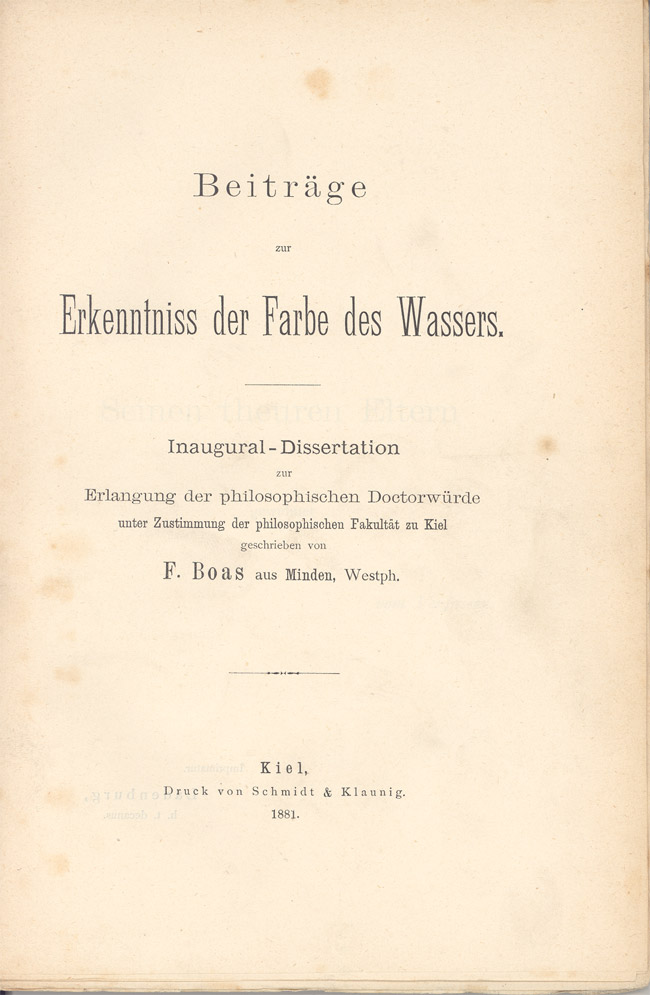
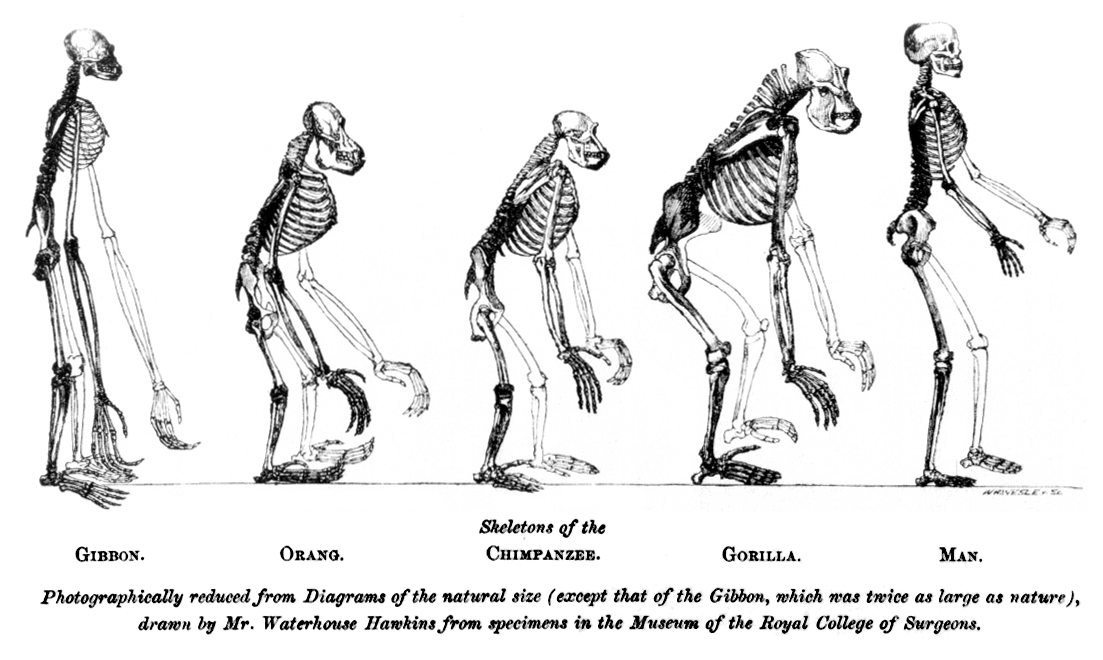
7 Images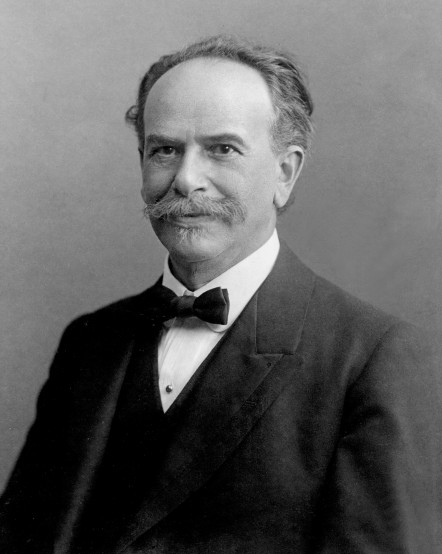



Approach and key concepts
Boas promoted a holistic method that treated what later became subfields—archaeology, cultural anthropology, biological anthropology, and linguistics—as parts of a unified inquiry. Two concepts closely associated with him are cultural relativism (the idea that cultures should be evaluated on their own terms) and historical particularism (the view that each society has its own unique history that shapes its culture). He emphasized direct observation, long-term fieldwork, and the collection of empirical data over armchair theorizing.
Methods and contributions
- Fieldwork and participant observation as central research practices.
- Detailed linguistic documentation and analysis of indigenous languages.
- Use of museum collections and ethnographic data to challenge racialist assumptions.
- Training a generation of scholars in rigorous empirical methods.
Career and influence
Born in Germany, Boas emigrated to the United States and taught at institutions where he mentored many influential students. Through his teaching and writing he shaped American anthropology's institutions and standards. His students included prominent figures who advanced different branches of the field. Boas also worked with Native communities in the Pacific Northwest and elsewhere, producing collections and analyses that remain important sources for later researchers.
Legacy and distinctions
Boas's legacy lies in transforming anthropology into a discipline centered on empirical investigation and cultural context. He challenged prevailing evolutionary models and racial hierarchies, arguing instead for careful, context-sensitive explanation. While later scholars developed specialized subfields, his insistence on integrating language, material culture, biology, and social practice continues to influence contemporary scholarship. For further reading on his life and work see resources on Germany, his career in the United States, introductory discussions of anthropology, and summaries of his holistic approach and methods.
Related articles
Author
AlegsaOnline.com Franz Boas: Founder of Modern American Anthropology Leandro Alegsa
URL: https://en.alegsaonline.com/art/36300
Sources
- dx.doi.org : Franz Boas
- worldcat.org : A Franz Boas reader : the shaping of American anthropology, 1883-1911
- dx.doi.org : "The Rise of Anthropological Theory: A History of Theories of Culture"
- doi.org : 10.2307/2799288
- worldcat.org : 0025-1496
- dx.doi.org : "Franz Boas, geographer, and the problem of disciplinary identity"
- doi.org : 10.1002/jhbs.10181
- worldcat.org : 0022-5061
- worldcat.org : Central Eskimo
- study.com : "Historical Particularism: Definition & Examples"
- americananthro.org : "American Anthropological Association"
- dx.doi.org : "Prof. Franz Boas"
- doi.org : 10.1038/151075a0