
Frankfurt Airport (FRA) — Germany's largest international airport
Major international airport in Frankfurt am Main; Germany's busiest air gateway and a leading European hub for passengers and cargo, with extensive rail connections and multiple terminals.
Overview
Frankfurt Airport (IATA: FRA) is the principal international airport serving Frankfurt am Main and the busiest airport in Germany. It is one of Europe's largest aviation hubs, ranking among the top airports on the continent for passenger traffic and cargo throughput. The airport combines long‑haul international services, dense European connections and a large cargo operation, and it functions as a primary hub for several major airlines.
Image gallery
10 Images




Terminals and infrastructure
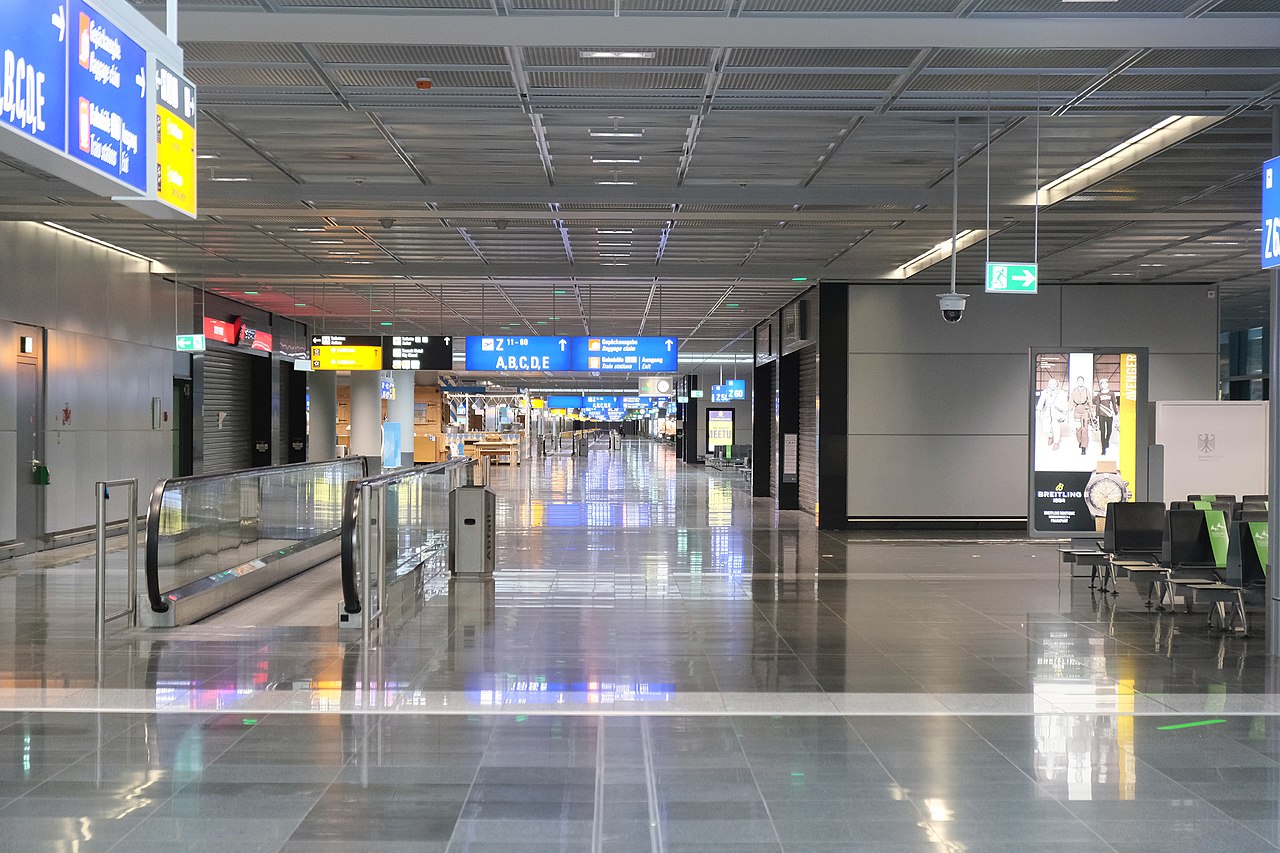
The airport includes two main passenger terminals, commonly referred to as Terminal 1 and Terminal 2, with satellite concourses and a wide range of passenger facilities such as lounges, shops and customs areas. Facilities for freight, maintenance and ground handling occupy dedicated zones, and runway capacity supports both civil and previous military activity in adjoining areas. Ongoing development over the years has increased both terminal capacity and cargo handling capability.
Ground transport and rail links
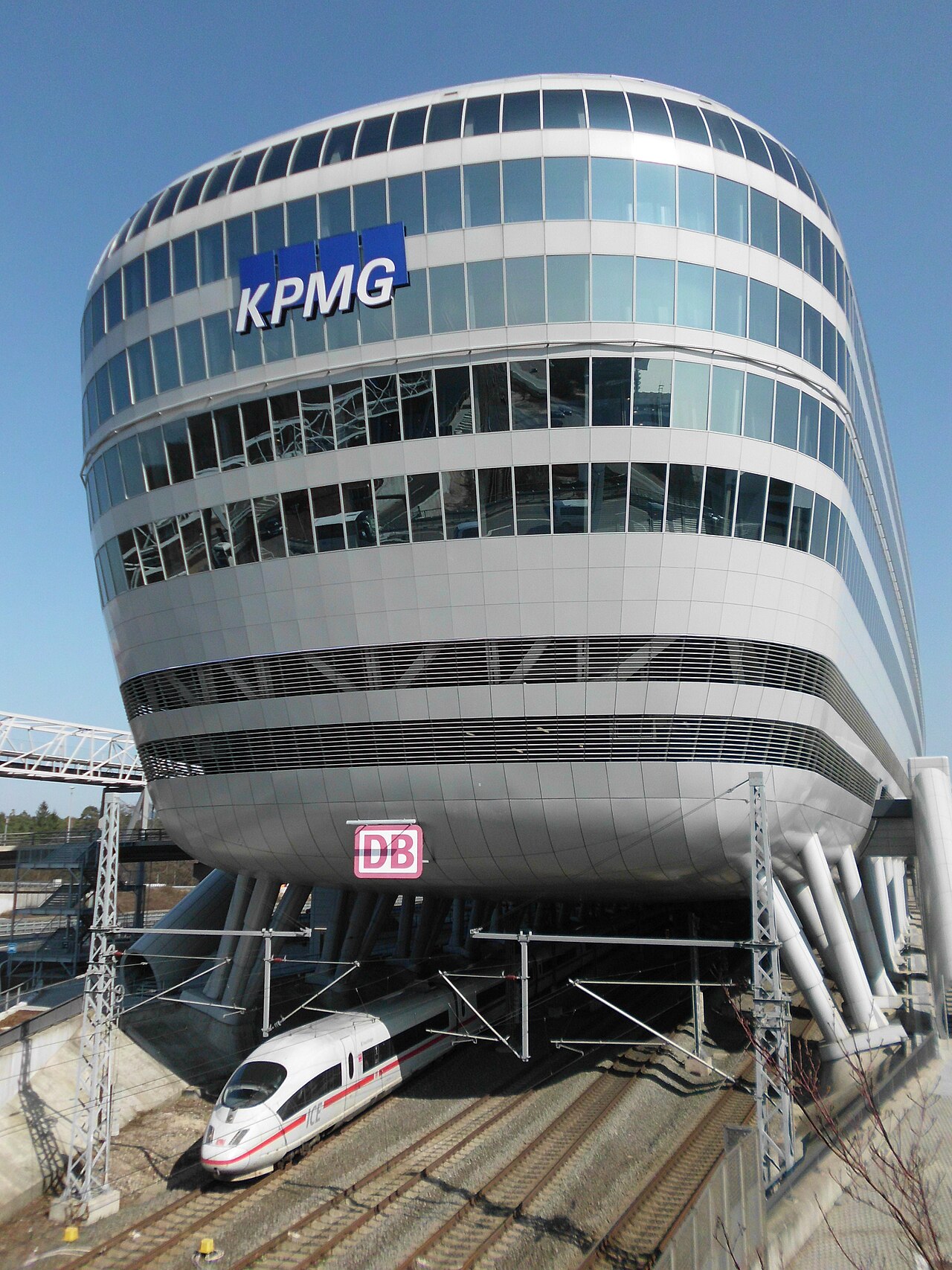
Frankfurt Airport is notable for its integrated rail connections. A commuter rail (S‑Bahn) station is located directly under the main terminal, providing rapid local connections to Frankfurt city and the Rhine‑Main region. A separate long‑distance rail station, the airport's Fernbahnhof, serves intercity and high‑speed trains and is reachable by a short walk or shuttle from the terminals. These links make the airport a central transport node for transfers between air and rail.
Operations and importance
The airport handles tens of millions of passengers annually and a very large volume of air freight, making it one of Europe’s principal hubs for cargo. It supports numerous global carriers and extensive route networks across continents. Frankfurt’s role as a hub amplifies its importance for business travel, tourism and international trade, and many national and international connections depend on its facilities.
History and development
Frankfurt Airport grew from earlier airfields in the region into a major civil aviation centre during the 20th century. For many years an adjacent military facility, the Rhein‑Main Air Base, coexisted with the civil airport until mid‑2000s changes in military basing. The airport has expanded through successive construction phases to add terminals, rail stations and cargo infrastructure to meet increasing demand.
Notable facts and distinctions
- National rank: the busiest airport in Germany and a key European hub — referenced by official and industry sources via airport reports.
- European standing: consistently placed among the top airports in Europe by passenger numbers and by cargo handled; summaries and comparisons appear in regional statistics summaries and freight reports cargo data.
- Passenger figures: for example, in the mid‑2000s annual passenger movements were reported at around 52 million in a calendar year, according to historical traffic records traffic summary.
- Rail connectivity: the commuter train station sits beneath the terminal while the long‑distance station is a short walk away; practical transport details are available from transit guides local rail.
- Climate record: the airport recorded an unusually high temperature in July 2015, noted in meteorological reports weather data.
For travelers and businesses, Frankfurt Airport remains a major gateway to Germany and Europe, prized for its combination of extensive flight options, integrated rail links and substantial cargo handling capacity. Further operational details, schedules and services are published by the airport authority and airline partners official sources.
Related articles
Author
AlegsaOnline.com Frankfurt Airport (FRA) — Germany's largest international airport Leandro Alegsa
URL: https://en.alegsaonline.com/art/36224
Sources
- washingtonpost.com : Germany reaches new all-time hottest temperature during Europe heatwave