
Francisco Toledo (1940–2019): Mexican artist and cultural advocate
Overview of Francisco Toledo, the Oaxacan painter, sculptor and printmaker, his themes, media, activism, international exhibitions and legacy.
Overview
Francisco Benjamín López Toledo (17 July 1940 – 5 September 2019) was a leading Mexican artist and cultural figure from Juchitán, Oaxaca. Renowned as a painter, sculptor and graphic artist, Toledo combined indigenous motifs with modern techniques, producing work that received international attention and that intertwined aesthetics with social concern. In 2005 he received the Right Livelihood Award for his defense of cultural heritage and the environment.
Image gallery
7 Images


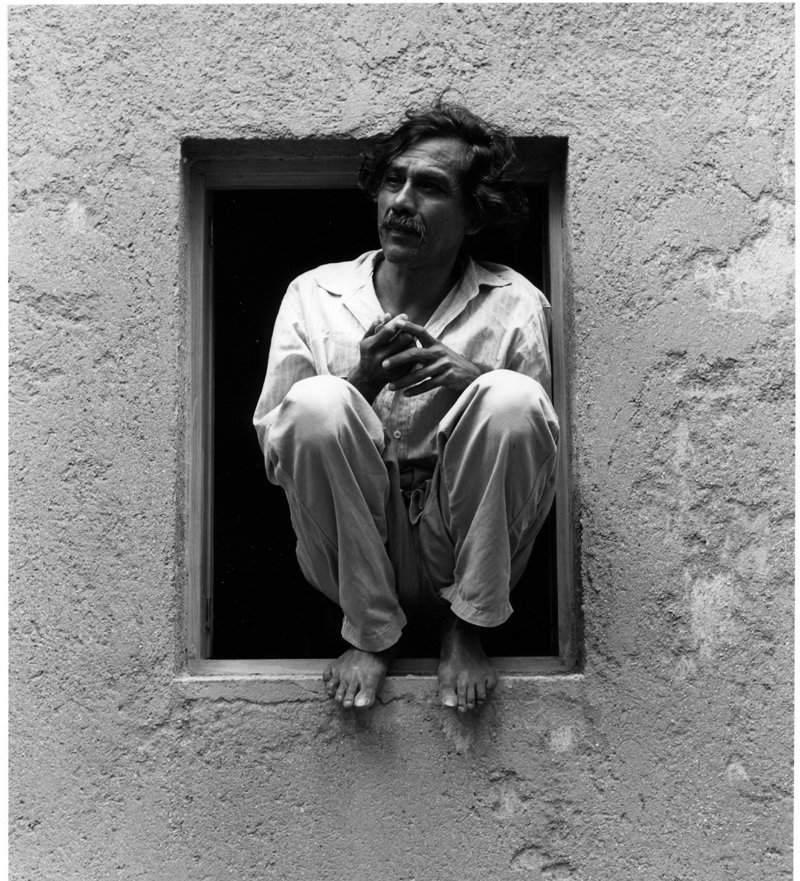


Style, themes and media
Toledo's work resists easy categorization. He drew on Zapotec and Oaxacan traditions, natural forms and mythic imagery, often depicting animals, plants, hybrid creatures and skeletal forms. His practice spanned many media, including:
- painting and drawing
- printmaking and graphic arts
- ceramics and pottery
- sculpture and assemblage
- weaving and textile-related practices
Across these formats he favored tactile materials and a direct, expressive line that balanced figuration and abstraction.
Career, institutions and activism
Beyond producing art, Toledo was deeply involved in cultural life in Oaxaca. He helped create local institutions to support artists and artisans, promoted traditional crafts, and campaigned to protect public spaces, native species and communal rights. His organizing work in defense of the urban and natural environment complemented his studio practice and informed the subjects of his art.
Exhibitions and international reach
Toledo exhibited widely in the Americas, Europe and Asia. His work has been shown in Argentina (Argentina), Brazil (Brazil), Colombia (Colombia), Ecuador (Ecuador), Spain (Spain), the United Kingdom (United Kingdom), Belgium (Belgium), France (France), Japan (Japan), Sweden (Sweden) and the United States (United States), among other venues. International exhibitions helped introduce his imagery and techniques to diverse audiences and established him as a major voice in late 20th- and early 21st-century Mexican art.
Legacy and notable facts
Toledo left a substantial cultural legacy in Oaxaca and beyond. He is remembered for his prolific output, his support for community arts, and his insistence that artistic practice be linked to social and environmental responsibilities. Public collections and regional institutions continue to display his work and to promote the crafts and artistic practices he championed. Toledo died in Oaxaca in September 2019, leaving a lasting influence on contemporary Mexican art and cultural preservation.
Related articles
Author
AlegsaOnline.com Francisco Toledo (1940–2019): Mexican artist and cultural advocate Leandro Alegsa
URL: https://en.alegsaonline.com/art/36090
Sources
- latimes.com : "Critic's Choice: Primal lust in the art of Mexican master Francisco Toledo"
- eu.usatoday.com : Mexican expressionist artist Francisco Toledo dies at 79
- koninklijkhuis.nl : "Laudation address by His Royal Highness The Prince of Orange on behalf of His Royal Highness Prince Claus to the recipients of the Principal 2000 Prince Claus Award at the Royal Palace, Amsterdam, December 12, 2000"