
Framlingham, Suffolk
Framlingham is a small market town in Suffolk, England, known for its prominent hill-top castle, historic center, and local heritage. It has a long civic history and remains a visitor destination in rural East Anglia.
Overview
Framlingham is a small market town in the Suffolk Coastal local government district of Suffolk, in eastern England. Situated in a largely rural area, the town has a compact historic core with shops, a market square and a parish church. At the 2001 census the civil parish recorded a population of 3,114 (2001 census), though local population figures have changed since then with modest growth typical of small towns in the region. Framlingham functions as a local service centre for surrounding villages and farms.
Image gallery
3 Images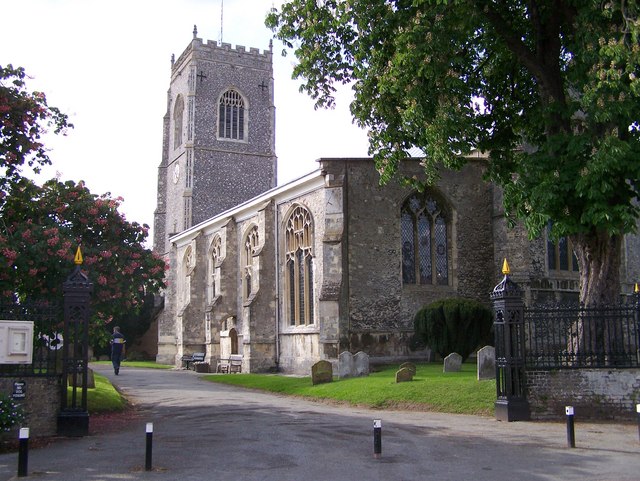


Framlingham Castle
The town is dominated by Framlingham Castle, a well-preserved medieval stronghold and a major local landmark. Often described as a large hill-top fortification, the site is commonly referred to as Framlingham Castle and is notable for its extensive curtain walls rather than for a central stone keep, a characteristic that sets it apart from many English castles. The curtain wall and towers enclose a wide bailey; the earthworks and masonry visible today reflect centuries of military and domestic adaptation. The castle played roles in regional power struggles and dynastic events and is frequently cited in accounts of Tudor succession and local medieval history. It is maintained as a heritage attraction and is open to visitors who come to explore the walls, towers and surrounding grounds (hill-top castle).
Historically Framlingham was associated with prominent noble families and served as a fortified residence as well as a defensive site. Its long survival and prominent position in the town make the castle a focal point for tourism, education and community events. Interpretive boards and visitor facilities provide context about life in the medieval castle and its later history.
Town features and amenities
Beyond the castle, Framlingham contains a number of notable buildings and streetscapes: a parish church with medieval origins, timber-framed houses, and rows of independent shops and services that reflect its market-town character. Local markets, small businesses, cafes and occasional cultural events contribute to civic life. The town also serves as a base for country walks and for exploring the surrounding Suffolk landscape.
Transport and former railway
Framlingham was once linked by a branch railway line and had its own station, but that railway station is now closed and the line no longer operates as a passenger route (former railway station). Since the closure, road connections and local bus services have provided the main public transport links to nearby towns and railheads. The loss of the rail link is part of a wider pattern of rural rail closures in the 20th century, after which many small towns adjusted to automotive transport and local bus networks.
Significance and distinctions
Framlingham is valued both for its historical fabric and as a living community. The castle remains the town's principal historic asset and a symbol of its long presence in Suffolk history. Visitors are attracted by the combination of architectural interest, countryside access and the compact market-town atmosphere. Conservation and town planning seek to balance preservation of historic character with the needs of residents and local businesses.
- Location: Suffolk Coastal district, eastern England (Suffolk).
- Principal historic site: Framlingham Castle (hill-top castle).
- Population reference: 2001 census (3,114).
- Transport history: former station and branch line (railway station).
Related articles
Author
AlegsaOnline.com Framlingham, Suffolk Leandro Alegsa
URL: https://en.alegsaonline.com/art/35990
Sources
- neighbourhood.statistics.gov.uk : Office for National Statistics : Census 2001 : Parish Headcounts : Suffolk Coastal