
Ammonium perchlorate
Ammonium perchlorate (NH4ClO4) is a white crystalline oxidizer used chiefly in solid rocket propellants; it decomposes on heating and requires careful handling due to its strong oxidizing and energetic properties.
Overview
Ammonium perchlorate (chemical formula NH4ClO4) is an inorganic salt formed from the ammonium cation and the perchlorate anion. It is a white or colorless crystalline solid widely known for its powerful oxidizing ability and its role as an energetic material. In concentrated or confined conditions and under strong heating or shock it can detonate; under milder heating it decomposes and releases oxygen-rich gases.
Image gallery
3 Images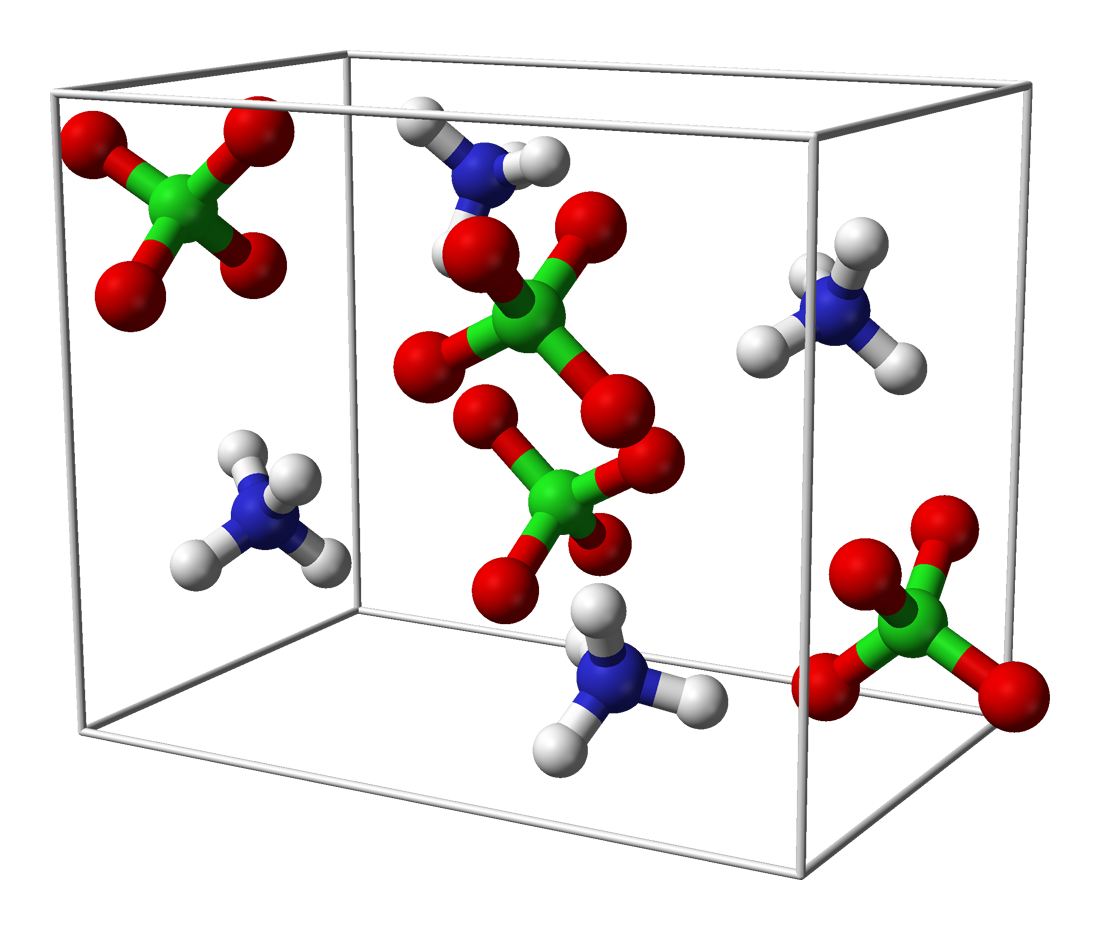


Composition and properties
The compound combines nitrogen-containing ammonium with the perchlorate anion in which chlorine is in its highest (+7) oxidation state. It is highly soluble in water and exists in several crystalline forms depending on temperature and pressure. Key physical and chemical characteristics include high oxygen content relative to mass, strong oxidizing behavior, and thermal instability when subjected to rapid heating or confinement.
Preparation and chemistry
Ammonium perchlorate is typically prepared by neutralizing perchloric acid with ammonia or an ammonium base, for example: NH3 + HClO4 → NH4ClO4. Its decomposition pathways depend on temperature, impurities and particle size; decomposition can produce oxygen, chlorine-containing species and nitrogen oxides. Because of its oxidizing capacity it can support vigorous combustion of fuels such as powdered metals and synthetic binders.
Uses and applications
The most important commercial application is as the oxidizer in composite solid rocket propellants, where it is mixed with a fuel (commonly aluminum powder) and a polymeric binder to make a cast solid grain. It has also been used in pyrotechnics and as an oxidizer in other energetic formulations. Its high performance and ease of formulation made it a standard choice for many mid-20th-century and later rocket motors.
Safety, environmental and regulatory notes
- Hazards: As a strong oxidizer, it can accelerate burning of combustible materials and can explode under confinement, strong shock or rapid heating; handling protocols and storage limits are required.
- Toxicity: It is generally considered to have low acute chemical toxicity, but thermal decomposition and combustion can form hazardous gases. Perchlorate ions are environmental contaminants that can disrupt iodide uptake by the thyroid at sufficient concentrations.
- Regulation: Because of its energetic nature and environmental concerns, manufacture, transport and use are subject to safety and environmental regulations in many jurisdictions.
Further reading and resources
For general chemical data, handling guidance and regulatory information, consult technical literature and safety data sheets. Selected resources and databases include: chemical databases, ion chemistry, oxidizers and reactivity, energetic materials, thermal decomposition studies, chlorine oxidation states, redox behavior, safety guidance, synthesis methods and environmental impacts.
The information above summarizes established, broadly known aspects of ammonium perchlorate. For specific technical procedures, legal requirements or site-specific risk assessments consult primary sources and qualified professionals.
Related articles
Author
AlegsaOnline.com Ammonium perchlorate Leandro Alegsa
URL: https://en.alegsaonline.com/art/3595