
Foundry: Metal Casting Plants, Processes and Applications
A foundry is a workshop or factory where molten metal is cast into shapes. This article explains how foundries work, common methods, history, uses, environmental concerns and differences from other metal trades.
Overview
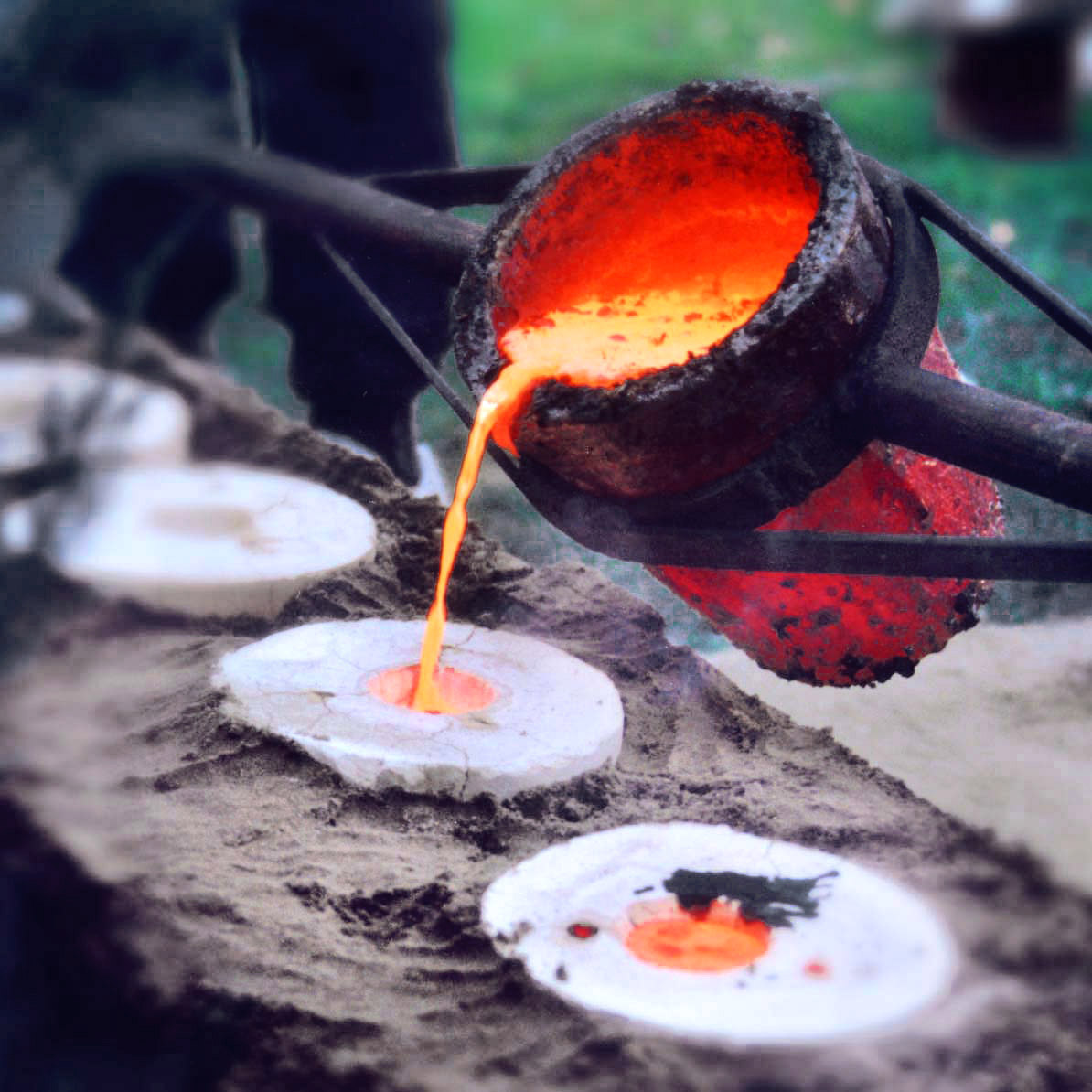
A foundry is an industrial workshop where metal is melted and poured into molds to create intended shapes. The core activity is casting: heating metal until molten, channeling it into a shaped cavity, allowing it to solidify, then removing and finishing the part. Foundries handle a wide range of sizes, from small precision pieces for instruments to large castings for engines, pumps and structural components. Commonly cast metals include aluminum, cast iron, steel and various copper alloys; many facilities also recycle scrap metal by remelting it for reuse. For further technical resources see foundry reference.
Image gallery
9 Images




Processes and equipment
Typical foundry operations are organized around several stages: pattern making, mold or die preparation, core making (for internal cavities), melting, pouring, solidification and cleaning/finishing (fettling). Equipment varies by process but often includes furnaces (cupola, induction, electric arc), molding lines, core ovens, and fettling benches. Quality control instruments such as spectrometers, X-ray or ultrasonic testers are used to check composition and detect internal defects.
- Sand casting – versatile, economical for many sizes; uses a sand mold that is broken to retrieve the casting.
- Die casting – high-volume production using permanent metal dies; common for aluminum and zinc.
- Investment (lost-wax) casting – produces fine detail; used for complex shapes and high-precision parts.
- Centrifugal and continuous casting – used for cylinders, pipes and long products.
- Lost-foam and plaster casting – specialized methods for particular geometries or surface finishes.
History and development
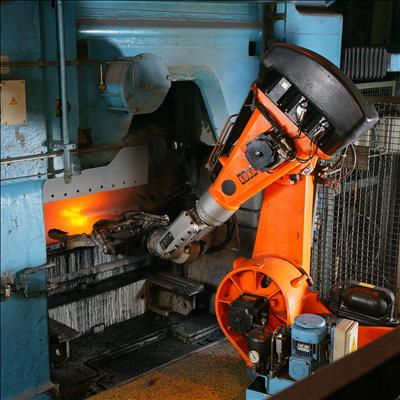
Casting is one of the oldest metalworking techniques, dating back to the Bronze Age when humans poured copper and bronze to produce tools and art. Cast iron became prominent later, and the Industrial Revolution drove the growth of large-scale foundries to supply machinery, railways and steam engines. Modern foundries combine traditional practice with automation, computer-aided pattern design, and metallurgical controls that improve yield and consistency.
Applications and environmental aspects
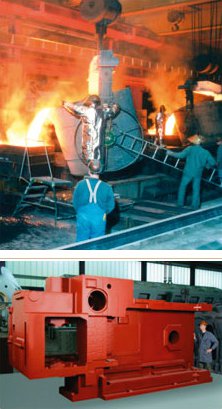
Foundry castings serve many sectors: automotive engine blocks and brake components, pumps and valves for industry, construction fittings, sculpture and decorative elements. Because melting and molding generate fumes, dust and spent molding materials, modern foundries must manage emissions, capture particulates, and reuse or treat used sand and slag. Recycling scrap metal is both an economic benefit and an environmental advantage, reducing the need for primary metal production.
Distinctions and quality control
Foundries differ from forges and machine shops: casting shapes material by pouring and solidifying molten metal, whereas forging reshapes solid metal through compressive forces and machining removes material to achieve final geometry. Control of shrinkage, porosity and microstructure is essential in casting; practices to improve quality include risers and gates design, controlled cooling, heat treatment and non-destructive testing. Specialized foundries meet standards for aerospace, automotive and pressure-containing components, applying strict inspection and metallurgical certification.
In summary, foundries are central to manufacturing where complex metal shapes are required. They combine metallurgical knowledge, mold-making craftsmanship and increasingly advanced engineering to produce parts across many industries while addressing environmental and safety responsibilities.
Related articles
Author
AlegsaOnline.com Foundry: Metal Casting Plants, Processes and Applications Leandro Alegsa
URL: https://en.alegsaonline.com/art/35865