
Amir Khusrow: Persianate Poet, Sufi Musician, and Cultural Innovator
Amir Khusrow (c.1253–1325) was a Persian-language poet, Sufi disciple, and influential figure in the musical and literary life of medieval Delhi. He is associated with early Hindavi verses and many lasting cultural legends.
Amir Khusrow (commonly written Khusrau or Khusrow) is remembered as a prolific Persian-language poet, a Sufi disciple, and an important cultural figure in the courts of medieval Delhi. He is generally dated to the late 13th and early 14th centuries (c.1253–c.1325) and produced poetry and songs in Persian and early forms of Hindavi. His life and work reflect the cross-cultural currents of the Delhi Sultanate era and continue to shape South Asian literature and music.
Image gallery
8 Images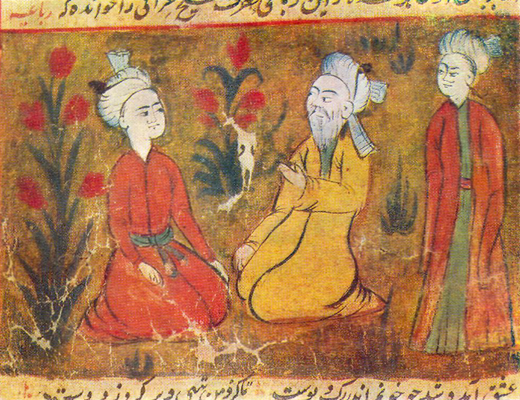


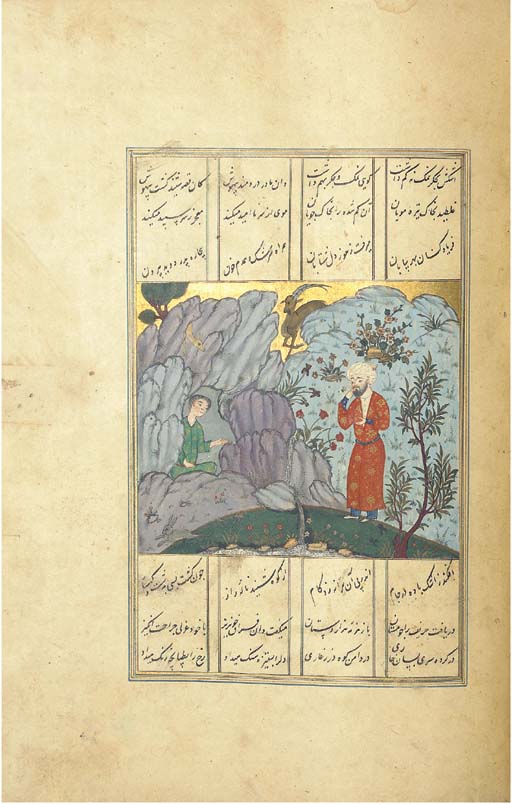
Life and historical context
Khusrow lived and worked mainly in the city of Delhi, where royal patronage and Sufi networks intersected. He was a disciple of the Sufi saint Nizamuddin Auliya and spent much of his life participating in courtly and devotional circles. This dual association—court poet and Sufi companion—helped him combine refined Persian literary forms with vernacular expressions, contributing to a hybrid cultural legacy.
Writings and literary contributions
Amir Khusrow wrote chiefly in Persian, the literary lingua franca of the region's elite, producing lyric poems, narrative pieces, and occasional panegyrics. He is credited with popularizing and refining several poetic forms and with composing hundreds of verses that circulated in manuscripts and oral traditions. A portion of what is attributed to him comprises short verses and couplets in the local vernacular that later generations associated with Hindavi or early Urdu. Scholars note that the corpus attributed to Khusrow contains layers added over centuries, so careful textual study is required to separate his authentic work from later accretions. For general introductions to his poetry see scholarly surveys.
Musical influence and contested inventions
Many later traditions credit Khusrow with major innovations in South Asian music. He is popularly associated with the origins or popularization of genres and techniques such as qawwali, tarana, and elements of what became the khayal style. Traditional accounts also attribute instrumental innovations—most famously the sitar and the transformation of the pakhawaj toward the modern tabla—to his creative activity. These attributions are often presented in devotional and nationalist narratives, while modern historians treat them with caution: documentary and musical-evidence from the period is limited, and musical forms evolve over long periods. For perspectives on his musical role see studies of Hindustani music and historical reviews.
Legacy and cultural importance
Khusrow's reputation has endured through multiple channels: manuscript collections, oral transmission of songs, Sufi devotional practice, and later literary anthologies. He is often celebrated under honorifics such as "Tuti-e-Hind" (the Parrot of India) and is claimed as an early influence in the development of Urdu poetry and South Asian musical idioms. His figure serves as a symbol of linguistic and cultural synthesis between Persianate and Indic traditions, and his verses remain part of classical and popular repertoires.
Notable facts and distinctions
- Many popular claims about Khusrow—such as singular invention of instruments or musical forms—are traditional attributions rather than firmly documented facts; specialists treat such claims as plausible but uncertain. See critical discussions for nuance.
- He wrote in multiple registers: ornate Persian poetry for courts and shorter pieces in vernacular idioms that circulated among broader audiences.
- His association with Sufism shaped the devotional register of much material attributed to him; qawwali, which is central to Sufi gatherings, is often linked to his legacy.
- For accessible overviews and translations consult modern introductions and annotated selections: recommended readings.
In sum, Amir Khusrow stands as a formative figure at the crossroads of medieval Persian literary culture and South Asian vernacular and musical traditions. While some specific inventions ascribed to him remain debated, his broad influence on poetry, devotional song, and intercultural creativity is widely acknowledged.
Related articles
Author
AlegsaOnline.com Amir Khusrow: Persianate Poet, Sufi Musician, and Cultural Innovator Leandro Alegsa
URL: https://en.alegsaonline.com/art/3566