
Fourth wall: concept, uses, and breaking the narrative boundary
The fourth wall is the imagined barrier between a work of fiction and its audience. This article explains its meaning, history, forms, and how creators intentionally break it in theatre, film, and other media.
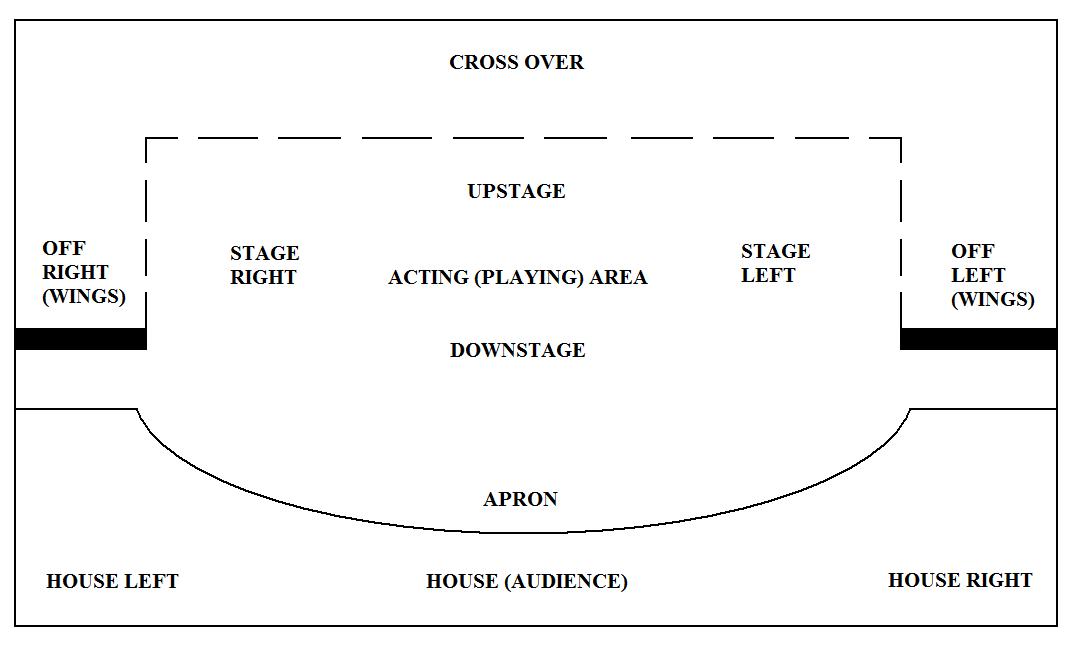
The fourth wall is the conventional, invisible plane that separates performers and a staged or depicted world from observers. In traditional three-walled theatre the term designates the side of the stage left open to view, the one through which the audience views the action. As a concept it was articulated and popularized by critics and theorists such as Denis Diderot and became common in nineteenth-century discussions of realistic drama and staging (19th century). Broadly, it marks the boundary between the fictional world and the real world of readers, viewers, or players (fictional works).
Image gallery
5 Images


Forms and what it means to break it
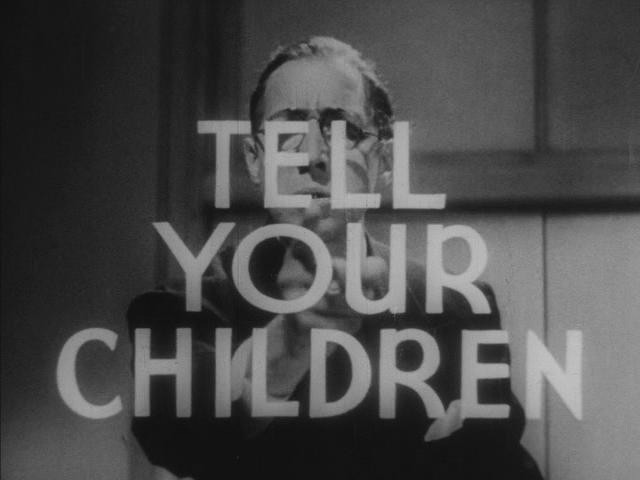
Creators can treat the fourth wall as impermeable or as a device to be pierced. When performers or characters address or otherwise acknowledge the audience, this is known as "breaking the fourth wall." In film and television, that can be achieved with direct address to the camera, gestures that involve viewers, or rhetorical asides. In literature, theatre, or interactive media the effect appears when characters speak to the reader or player, comment on the story’s construction, or call attention to their fictional status.
Characteristics and distinctions
- The fourth wall differs from a soliloquy, which is a dramatic technique where a character speaks alone to reveal inner life; a soliloquy remains within the play’s fiction rather than addressing the audience as an external reality (dramatic device).
- It is distinct from ordinary narration or authorial intrusion because breaking the wall usually involves overt acknowledgment of the audience or medium rather than neutral exposition produced by the playwrights or author.
- Soliloquies and monologues can influence audience understanding by offering insight into thought, but they do not automatically dissolve the boundary between fiction and spectator.
Accepting the fourth wall is part of the audience’s willingness to suspend disbelief: they allow the fictional frame to stand so that dramatic events feel immediate and coherent. At the same time, deliberately breaking the wall can be used to comedic, critical, or reflexive effect, reminding spectators they are watching a construction rather than an unfolding reality. Critics such as Vincent Canby have described the effect as an "invisible scrim" or transparency between audience and stage that creators may either maintain or manipulate (transparency, Vincent Canby).
History, uses, and notable examples
The idea traces to debates about realism and theatrical decorum in the 18th and 19th centuries, but practices that acknowledge the viewer predate the term and appear across cultures. In modern entertainment, breaking the fourth wall appears in stage farce, stand-up comedy, certain films and television series that use direct address, novels that include metafictional commentary, and video games that let characters speak about player actions. Writers and directors choose this device to create intimacy, irony, satire, or metacommentary, or to enlist the audience as a participant in the narrative.
When studying dramatic technique, distinguishing routine narrative devices from purposeful fourth-wall breaches helps clarify a creator’s intent: is the work inviting immersion, or asking the audience to reflect on artifice itself? Both approaches remain powerful tools across theatre, cinema, literature, and interactive media.
Questions and answers
Q: What is the fourth wall?
A: The fourth wall is an imaginary "wall" at the front of a traditional three-walled theatre. It is through this wall that the audience views the action of a play.
Q: Who made the idea of the fourth wall famous?
A: The idea of the fourth wall was made famous by philosopher and critic Denis Diderot.
Q: When did it become popular?
A: The fourth wall became more popular in the 19th century.
Q: What happens when an actor speaks directly to or interacts with an audience?
A: When an actor speaks directly to or interacts with an audience, it is known as "breaking the fourth wall". This breaks a boundary normally set up or assumed by works of fiction.
Q: How does breaking the fourth wall happen in literature and video games?
A: In literature and video games, breaking the fourth wall occurs when a character acknowledges the reader or player.
Q: How does breaking the fourth wall differ from soliloquy?
A: Breaking the fourth wall differs from soliloquy in that a soliloquy is a dramatic device used by playwrights where one character on stage gives a monologue which gives insight into their thoughts, while breakingthefourthwall involves speaking directly to or interacting with an audience.
Q:What role does suspension of disbelief play in relation to accepting transparency between fictional work and its audience ? A:The acceptance of transparency between fictional work and its audience allows them to enjoy it as if they were observing real events, which requires suspending disbelief for this effect to be achieved .
Related articles
Author
AlegsaOnline.com Fourth wall: concept, uses, and breaking the narrative boundary Leandro Alegsa
URL: https://en.alegsaonline.com/art/35924
Sources
- nytimes.com : FILM VIEW; SEX CAN SPOIL THE SCENE
- telegraph.co.uk : "Sir Ian McKellen: My lifelong passion for LS Lowry"
- guardian.co.uk : "After Tolkien, get Bored of the Rings"
- tvguide.com : "The George Burns and Gracie Allen Show"
- theguardian.com : "Mrs Brown's Boys: mainstream comedy for the middle-aged"
- filmmakermagazine.com : "Breaking the Fourth Wall Supercut"