
Greek Chorus: Role, Structure, and Historical Development
The Greek chorus was a group of performers in ancient drama who sang, danced and commented on the action. This article outlines its functions, composition, performance practice, historical development, and lasting influence.
The Greek chorus was a central element of ancient Athenian drama. Composed of a group of singers, dancers and reciters, the chorus stood between the actors and the audience, performing choral odes that framed the play's events. More than background decoration, it provided a collective voice that shaped the tone, moral perspective and formal structure of classical tragedy and comedy.
Image gallery
3 Images

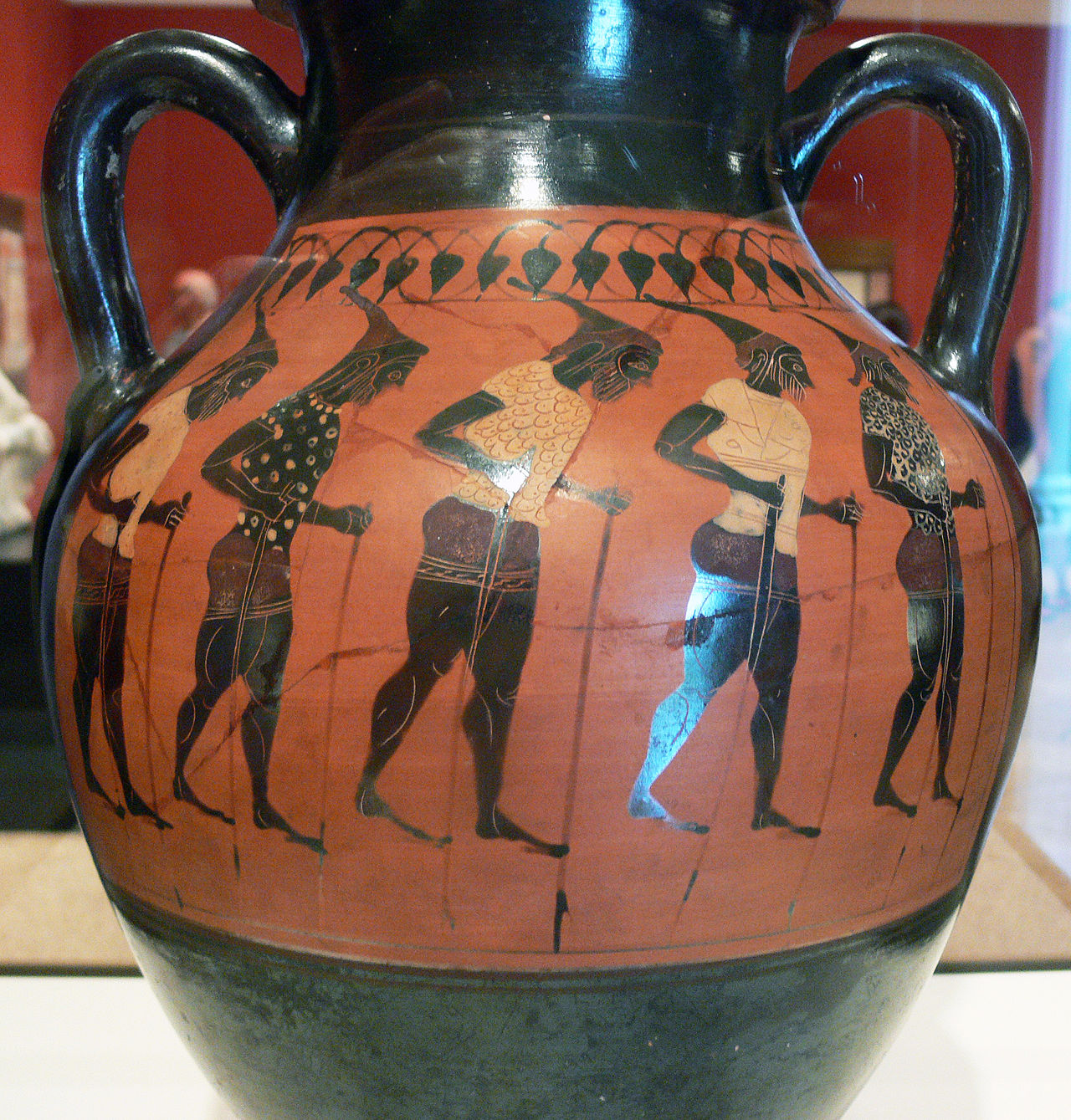
Functions in the drama
The chorus fulfilled several interrelated roles:
- Commentator: it reflected on the action, offering moral or philosophical judgments and guiding audience interpretation.
- Narrative bridge: it supplied context, recalled past events, and smoothed transitions between scenes.
- Emotional mirror: it expressed public feelings such as grief, fear or celebration, amplifying dramatic affect.
- Structural device: its songs and dances divided the play into episodes and maintained rhythmic pacing.
Composition and performance
Choruses typically numbered between about twelve and fifteen members in the fifth century BCE, though earlier forms could be larger. A leader, often called the coryphaeus, could speak or sing distinct lines on behalf of the group. Members wore masks and coordinated movement across the orchestra, the circular performance space at the theatre's center. Their parts combined lyric poetry, music, and choreographed dance; the choruses were prepared and financed by a wealthy citizen known as the choregos.
Origins and historical development
The chorus traces its roots to religious dithyrambs—choral hymns in honor of Dionysus—and was incorporated into dramatic contests in Athens during the sixth and fifth centuries BCE. Early tragedians placed great emphasis on the chorus. Over time playwrights experimented with its role: Aeschylus expanded dramatic complexity while preserving prominent choral passages; Sophocles is often credited with formal refinements, and Euripides reduced the chorus's direct participation in plot, making its remarks more reflective or symbolic.
Form and staging
Choral passages frequently followed lyric patterns, alternating strophe and antistrophe to match movement across the orchestra. Technical segments of a play—the parodos (entrance song), stasimon (stationary ode), and exodus (final departure)—showcase how choral performance was integrated into dramatic architecture. The combination of music, poetry and coordinated motion made these moments the expressive heartbeats of ancient plays.
Legacy and modern echoes
The idea of a collective commentator survives in later literature and performing arts: choruses reappear in opera, modern theater, film and experimental works as ensembles that represent public opinion, conscience or communal memory. Contemporary directors sometimes revive choral techniques—choral speaking, synchronized movement and ensemble singing—to reconnect modern audiences with the communal energy central to ancient Greek performance.
Notable facts: the chorus was both an artistic and civic institution, connecting theatrical spectacle to religious ritual and communal identity in the city-state. Its distinctive combination of voice, body and poetic form remains one of the defining achievements of classical drama.
Related articles
Author
AlegsaOnline.com Greek Chorus: Role, Structure, and Historical Development Leandro Alegsa
URL: https://en.alegsaonline.com/art/40632