
Ford Trimotor (Tin Goose): early American three-engine airliner
The Ford Trimotor, nicknamed the "Tin Goose", is an early American all-metal three-engine transport introduced in the 1920s. It helped establish scheduled airline service and influenced later airliner design.
Overview
The Ford Trimotor is an American civil transport aircraft from the 1920s, widely known by its nickname the Tin Goose. Developed to move passengers and freight reliably over long distances, it became one of the first successful all-metal airliners. The type demonstrated that metal construction and multi-engine layouts could make regular airline service practical, and it is often cited in histories of early commercial aviation. For general references about the type see Ford Trimotor.
Image gallery
10 Images






Design and characteristics
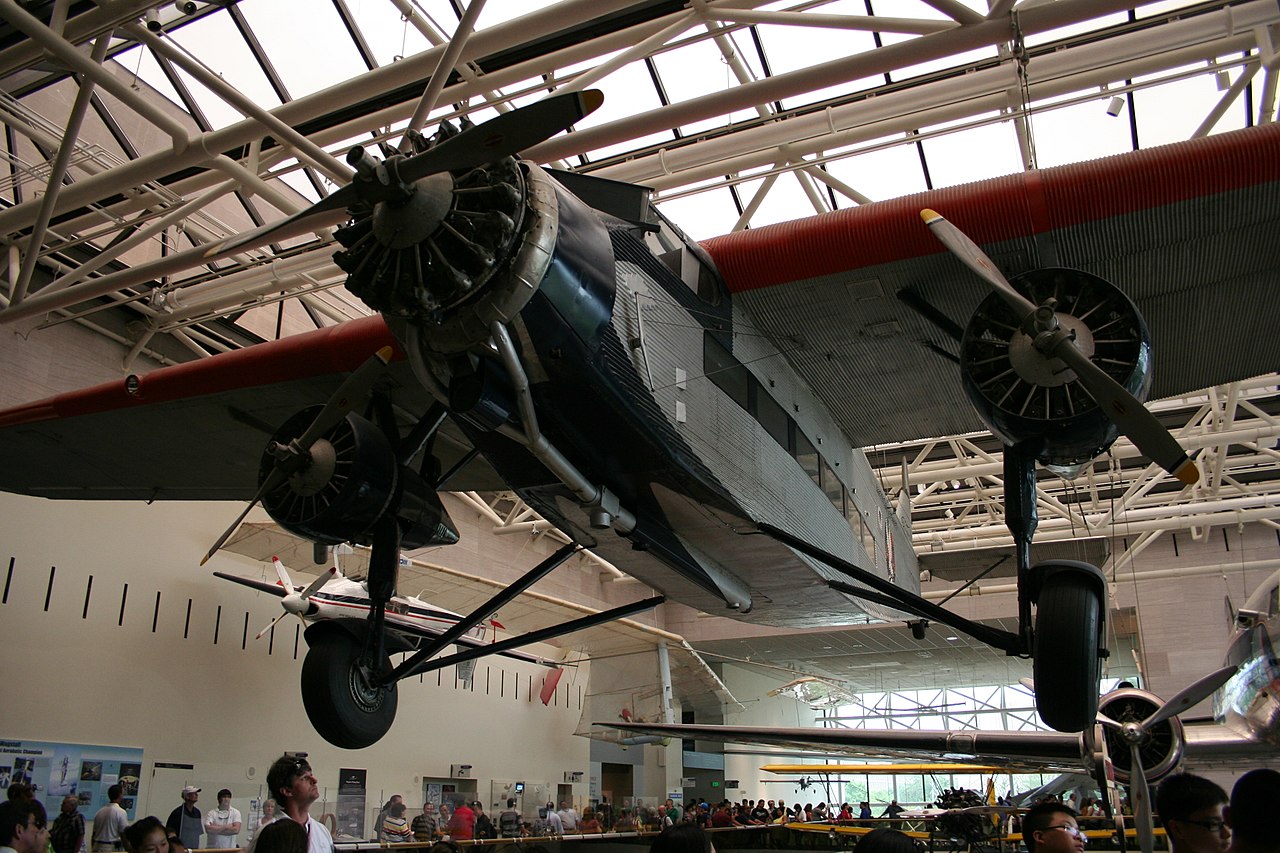
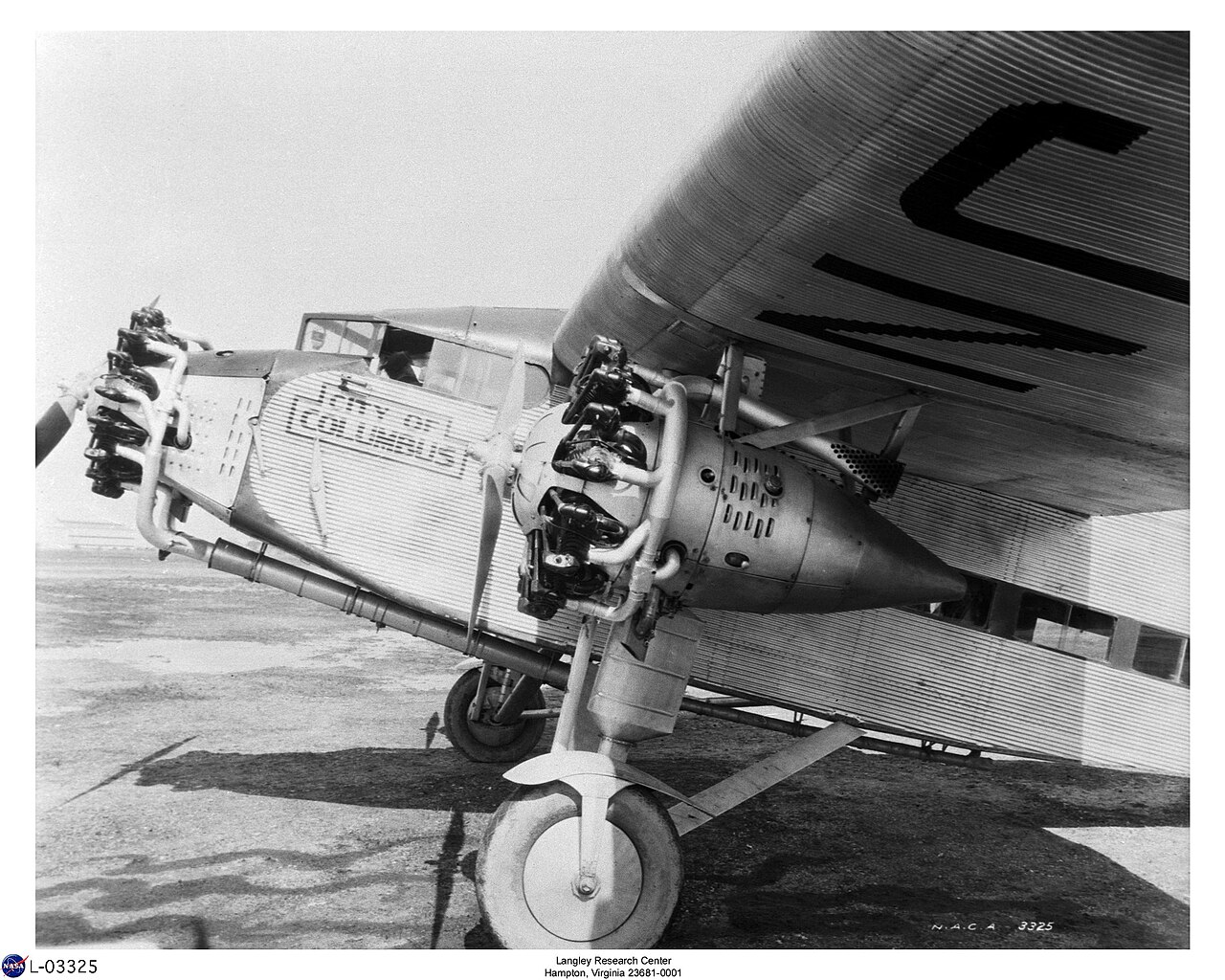
The Trimotor is a high-wing monoplane with three radial engines — one mounted in the nose and one on each wing — providing redundancy and improved performance for the era. Its rugged construction featured corrugated metal skin over a duralumin structure, producing a distinctive rippled appearance. Typical design highlights include:
- All-metal airframe and corrugated exterior panels for stiffness and durability.
- High wing configuration for stability and unobstructed cabin space.
- Three piston engines to improve reliability on long routes and to allow operation from short or rough fields.
- Enclosed cabin designed to carry a modest number of passengers plus cargo, often used on early scheduled routes.
History and development
The Trimotor grew out of work by William Stout and his Metal Airplane Company; Ford Motor Company acquired the operation in the mid-1920s and began production. The type entered service in the latter half of the 1920s and was produced in several versions intended for passenger, mail and freight duties. Production ran through the late 1920s and early 1930s, with nearly two hundred airframes built in a variety of configurations and powerplant arrangements. For details of development and models see development history.
Operational use and examples
Airlines, charter operators and government services used the Trimotor on domestic and international routes. It proved useful for opening new air services in areas with limited infrastructure because of its ability to operate from rough airfields. The type was also employed for exploration, survey flights and some military transport duties, and it remained in front-line civilian service until more modern monoplanes with greater speed and comfort superseded it in the 1930s. For accounts of notable operations see operational history.
Legacy and preservation
The Ford Trimotor is remembered for its role in making scheduled airline service practical and for popularizing metal aircraft construction. Several preserved examples survive in museums and collections, and a few have been restored to flying condition for airshows and educational flights. Its cultural and technological significance is discussed in many aviation histories and exhibits; further reading is available at preservation resources and technical archives such as design references.
Related articles
Author
AlegsaOnline.com Ford Trimotor (Tin Goose): early American three-engine airliner Leandro Alegsa
URL: https://en.alegsaonline.com/art/35591