
Fore-and-Aft Rig: Definition, Types, History and Uses
A fore-and-aft rig is a sail arrangement with sails set along the length of a vessel. Article explains characteristics, common types, history, advantages, and typical uses.
A fore-and-aft rig describes sail plans in which the sails are oriented roughly parallel to the keel and centerline of the vessel rather than perpendicular to it. These sails allow a craft to sail closer to the wind and to tack more efficiently than many square-rigged arrangements. The term applies to both small recreational boats and larger traditional working vessels.
Image gallery
6 Images
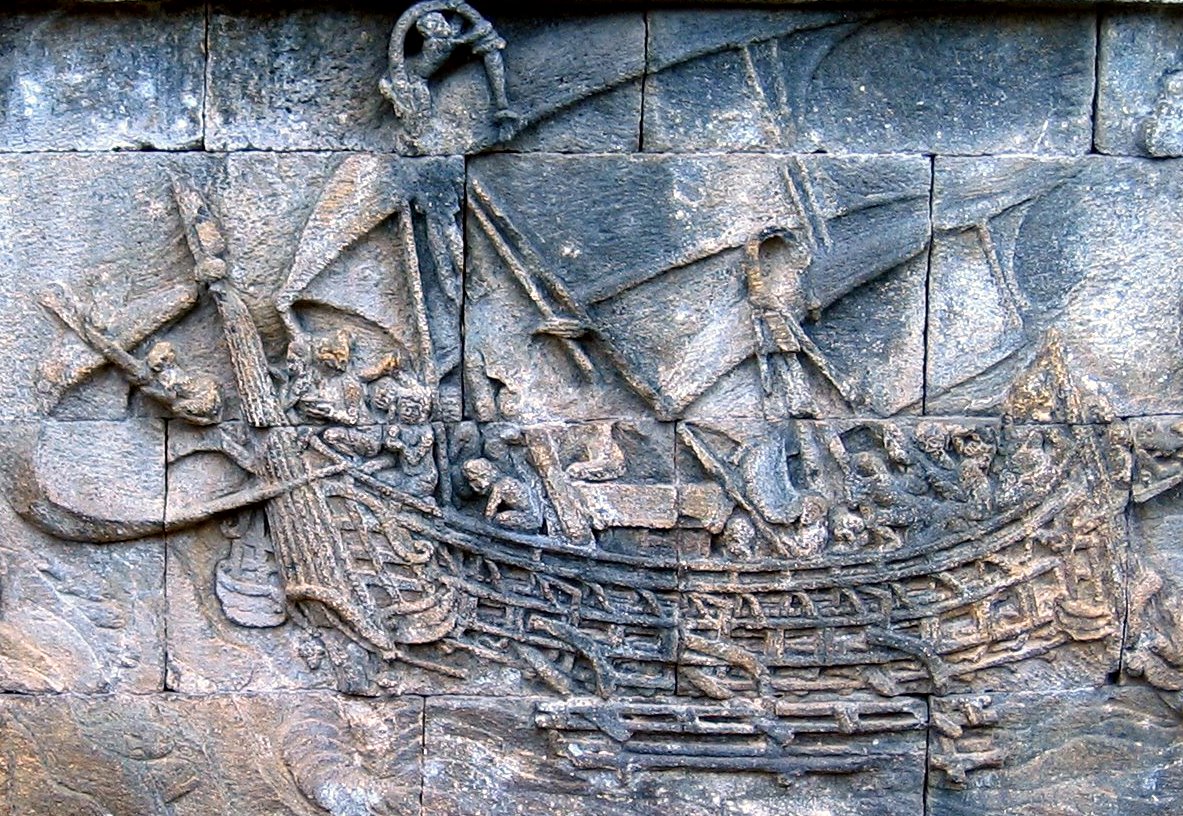


Characteristics and components
Fore-and-aft rigs typically include one or more masts, a mainsail and one or more headsails (jib or staysail). Common controls are the halyard, sheet, boom, vang and reefing lines that shape and trim the sails for different wind conditions. Rigging may be simple on small sloops or complex on multi-masted yachts and schooners.
Common types
- Sloop – single mast with mainsail and a single headsail; popular for cruising and racing.
- Cutter – single mast with two or more headsails for versatility in various winds.
- Ketch and yawl – two-masted rigs with different mizzen placement for balance and sail options.
- Schooner – two or more masts with the foremast shorter than the main; used historically for cargo and fishing.
For visual comparison, fore-and-aft sails contrast with sails set across the ship, often called square-rigged sails, while the family of sails themselves are often referred to as fore-and-aft sails.
History and development
Fore-and-aft sailing evolved from ancient Mediterranean designs such as lateen sails and spread across northern Europe in varied forms. Over centuries it became the preferred rig for vessels needing windward performance and ease of handling for smaller crews. By the age of sail, mixed rigging—combining square and fore-and-aft sails—was also common.
Uses, advantages and limitations
Advantages include superior windward ability, easier tacking, and often reduced crew requirements. These qualities make fore-and-aft rigs dominant in modern recreational sailing and many coastal commercial vessels. Limitations appear downwind where square sails may be more efficient; designers mitigate this with spinnakers and additional downwind sails. Today the fore-and-aft approach remains central to yacht design, traditional workboats and sail training.
Questions and answers
Q: What is a fore-and-aft rig?
A: A fore-and-aft rig is a type of sailing rig.
Q: What characterizes a fore-and-aft rig?
A: The sails are set along the line of the keel instead of perpendicular to it.
Q: What type of sails are used in a fore-and-aft rig?
A: Fore-and-aft sails are used in a fore-and-aft rig.
Q: How are the sails described in a fore-and-aft rig?
A: The sails used in a fore-and-aft rig are described as fore-and-aft rigged.
Q: What is the function of a fore-and-aft rig?
A: The function of a fore-and-aft rig is to provide propulsion for a sailboat.
Q: What is the difference between a fore-and-aft rig and a perpendicular rig?
A: A fore-and-aft rig has sails set along the line of the keel, while a perpendicular rig has sails set perpendicular to the keel.
Q: What are the advantages of a fore-and-aft rig?
A: The advantages of a fore-and-aft rig are that it is easier to handle, allows for more efficient sailing in certain wind conditions, and can sail closer to the wind than a perpendicular rig.
Related articles
Author
AlegsaOnline.com Fore-and-Aft Rig: Definition, Types, History and Uses Leandro Alegsa
URL: https://en.alegsaonline.com/art/35599
Sources
- goodoldboat.com : "The Fore-and-Aft Rig"