
Formula One car: design, history, and defining features
Single-seat, open‑wheel racing machines used in Formula One. Overview of construction, aerodynamics, power units, safety, regulation and historical development of the modern F1 car.
Overview
A Formula One car is a purpose-built, single-seat racing machine used in the FIA Formula One World Championship. These open‑cockpit, open‑wheel vehicles are optimized for speed, handling and lap time rather than everyday use. The word "formula" refers to the prescribed technical and sporting rules that govern their design and operation. Teams compete with cars that balance extreme aerodynamic downforce, lightweight structures and powerful hybrid power units to produce the performance required at the highest level of circuit racing.
Image gallery
10 Images



Design and key components
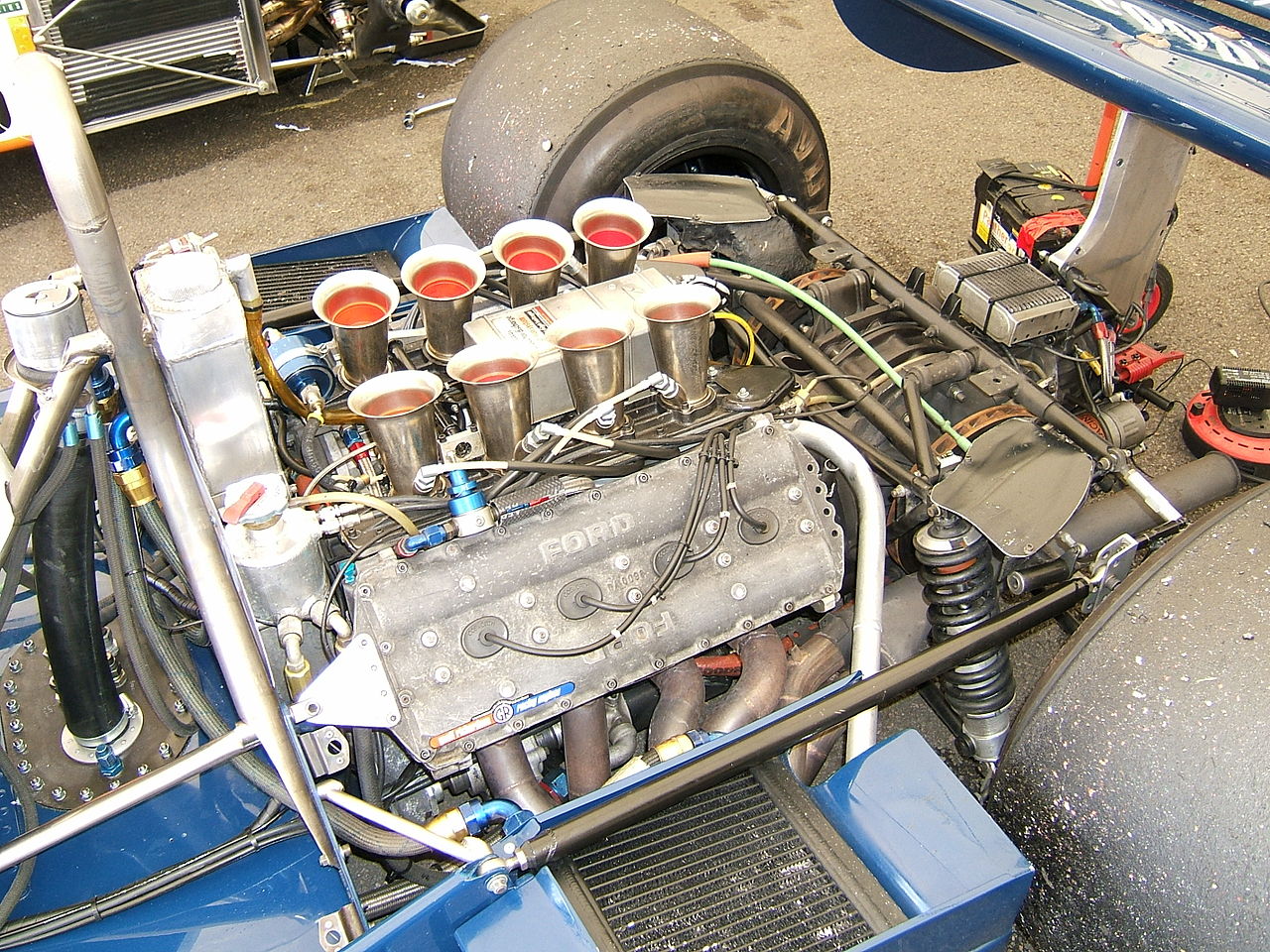
F1 cars are assemblies of several specialised systems working together. Typical elements include:
- Monocoque chassis: a rigid, crash‑resistant survival cell usually made from carbon‑fibre composites.
- Aerodynamics: front and rear wings, bargeboards and underfloor profiles that generate downforce and manage airflow.
- Power unit: a compact, highly tuned internal combustion engine combined with energy recovery systems to deliver propulsion and electrical assistance.
- Transmission and suspension: semi-automatic gearboxes, hydraulically assisted systems and finely tuned suspension for mechanical grip.
- Brakes, electronics and tires: carbon brakes, sophisticated control electronics and purpose‑built slick or wet tires supplied under specification.
History and evolution
The modern F1 car has evolved through distinct eras: from front‑engine roadsters to the rear‑engine revolution that improved balance and handling; to aerodynamic breakthroughs in wings and ground effect; to the introduction of composite materials and advanced safety structures. Turbocharged power, hybrid recovery systems and electronic controls have each reshaped design priorities. Safety innovations—such as stronger monocoques and the cockpit protective device introduced in recent years—reflect continual regulation-driven change.
Regulation and construction
The FIA sets detailed technical rules that limit dimensions, weights, safety features and performance-related components. Entries are registered by constructors, and the regulations require teams to be responsible for the design and build of their cars, even when some work is subcontracted. Compliance is enforced by scrutineering, testing limits and homologation rules to ensure competition remains within the defined formula.
Role, uses and notable distinctions
Formula One cars are the pinnacle of single‑seater circuit racing and serve multiple roles beyond competition: they act as a testing ground for automotive innovation, a global marketing platform and a technological showcase. They differ from other open‑wheel categories in scale, technical complexity and the degree of aerodynamic dependency. For further technical reference see technical overview and aerodynamic resources such as aero guides.
Questions and answers
Q: What is a Formula One car?
A: A Formula One car is a type of racing car used in the Formula One races.
Q: How many seats do these cars have?
A: These cars have only one seat, which is open to the air.
Q: What are the aerodynamic features present in Formula One cars?
A: These cars have aerodynamic wings located on their front and rear which are designed to improve their performance on the race track.
Q: Where is the engine of a Formula One car situated?
A: The engine of a Formula One car is positioned behind the driver.
Q: What is unique about the regulations that govern Formula One cars?
A: The regulations governing these cars are unique to the championship, and they require that racing teams build their own cars, although the design and manufacture can be done by others.
Q: Who is responsible for building Formula One cars?
A: Racing teams are responsible for building these cars according to the regulations set forth by the Formula One championship.
Q: What type of racing is Formula One?
A: Formula One is a type of racing that involves the use of these unique cars on racetracks around the world for the championship title.
Related articles
Author
AlegsaOnline.com Formula One car: design, history, and defining features Leandro Alegsa
URL: https://en.alegsaonline.com/art/35696
Sources
- argent.fia.com : 2010 F1 Sporting Regulations - published on 19.08.2009 (PDF)