
Ani — ruined medieval Armenian city near Kars
Ani is a ruined medieval city-site in present-day Turkey, once the capital of a medieval Armenian kingdom and famed for its churches, fortifications and role on regional trade routes.
Overview
Ani (Armenian: Անի) is an archaeological ruin located in eastern Turkey, near the border with the modern republic of Armenia and within Kars Province. Once the seat of a medieval Armenian kingdom, Ani grew into a major urban centre and was famous in later sources as a city of many churches. Medieval and later accounts compare its prosperity and scale to great contemporary capitals such as Constantinople, Baghdad and Cairo, reflecting its importance as a regional hub.
Image gallery
10 Images




Architecture and layout
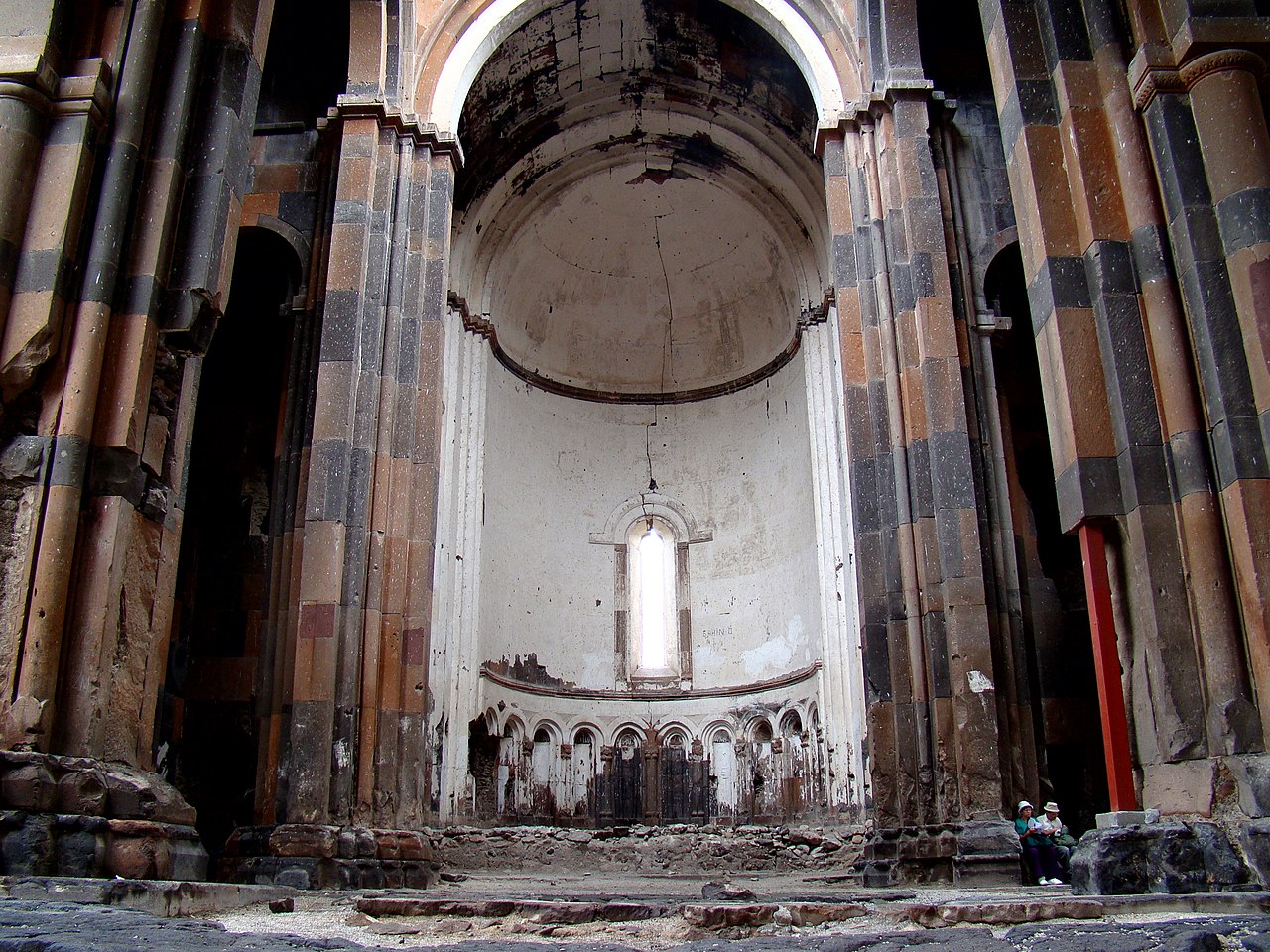
The site is dominated by the remains of defensive walls, a citadel position, streets and a concentration of religious and civic buildings. Its skyline once featured a large domed cathedral, multiple parish churches, monastic complexes and civic structures. The combination of stone masonry, vaulted interiors and decorative carved details exemplifies medieval Armenian ecclesiastical architecture and urban planning.
Notable monuments
- The ruined cathedral and associated episcopal complex.
- Multiple parish churches with interiors bearing fresco fragments.
- City walls and gates that controlled approaches along strategic routes.
- Remains of residences, caravanserais and public spaces connected to trade.
History and decline
Ani rose to prominence under the Bagratid Armenian dynasty and reached its height around the 10th–11th centuries as a political, religious and commercial centre. Its prosperity derived in part from its position along overland trade arteries that linked Anatolia, the Caucasus and the Middle East. Estimates of its population at the height of prosperity vary widely; some older sources put the number in the tens of thousands or even over a hundred thousand, though modern scholars urge caution about such figures. The city suffered a sequence of military conquests, seismic events and economic shifts from the late medieval period onward and was gradually abandoned.
Conservation, research and significance
Ani was the subject of archaeological investigation and preservation efforts beginning in the 19th and 20th centuries. It was inscribed as a UNESCO World Heritage Site in 2016, a recognition that highlights both its outstanding medieval architecture and the challenges of conserving exposed stonework in a remote borderland. Contemporary interest spans architectural history, Armenian cultural heritage, medieval trade studies and tourism, while conservationists note risks including weathering, past looting and the need for ongoing protective measures.
Legacy
Though abandoned for centuries, Ani endures in literature, art and the study of medieval urbanism as an emblematic site of Armenian cultural and architectural achievement. Its ruins provide a concentrated record of church building, urban fortification and the ways that political and economic change reshaped a once-thriving regional capital.
Questions and answers
Q: What is Ani?
A: Ani is a ruined and uninhabited medieval city-site in Turkey.
Q: Where is Ani located?
A: Ani is in the province of Kars, beside the border with Armenia.
Q: What was Ani once the capital of?
A: Ani was once the capital of a medieval Armenian kingdom that covered much of present-day Armenia and eastern Turkey.
Q: What was the population of Ani at its height?
A: At the height of its great times, Ani had a population of 100,000-200,000 people.
Q: Who were the rivals of Ani?
A: Ani was the rival of Constantinople, Baghdad, and Cairo.
Q: Is Ani still inhabited?
A: No, Ani has been abandoned and largely forgotten for centuries.
Q: What was Ani renowned for?
A: Long ago, Ani was renowned for its splendor and magnificence.
Tags
Related articles
Author
AlegsaOnline.com Ani — ruined medieval Armenian city near Kars Leandro Alegsa
URL: https://en.alegsaonline.com/art/4256