
Florence Ballard (1943–1976)
American rhythm and blues singer and founding member of The Supremes, noted for her powerful voice, early leads, and complex legacy in Motown history.
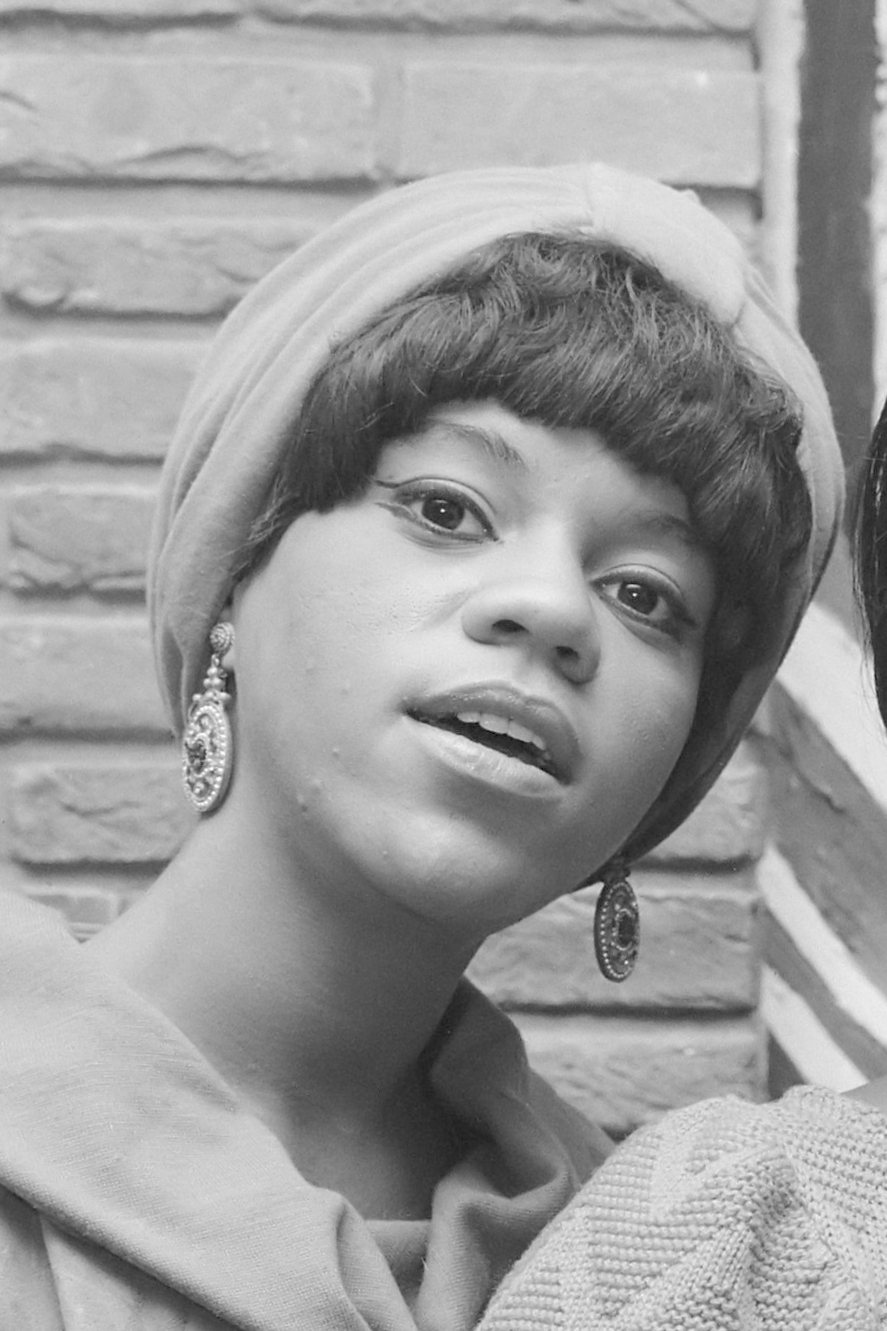
Florence Ballard was an American rhythm and blues singer and one of the original founding members of The Supremes. Born in Detroit in 1943, she rose in the 1960s as part of Motown's breakthrough female group and became known for a rich, earthy vocal tone that contrasted with the group's later pop image.
Image gallery
3 Images
Early life and formation
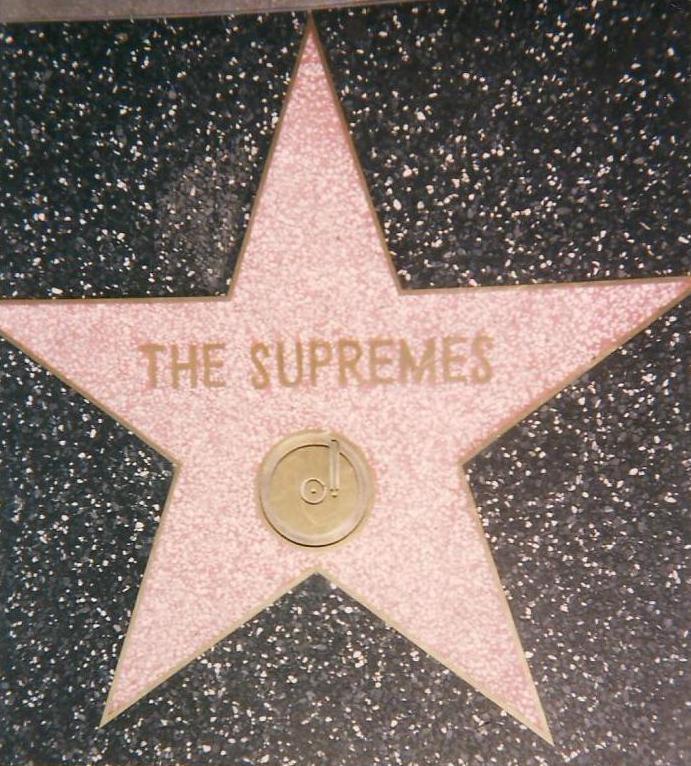
Ballard grew up in Detroit and began singing in local churches and school groups. She helped form a female vocal quartet that eventually became The Supremes. The group honed harmonies and choreography in Detroit's vibrant music scene before signing with Motown Records, where they achieved national success.
Role in the group and musical style
In the group's early years Ballard sang lead on several recordings and provided a strong backing presence on many hits. Her voice was noted for its depth and emotional weight, qualities that complemented the lead and public persona of her bandmate. The group's work at Motown placed them at the center of the 1960s pop and R&B crossover movement.
Later life and departure
As the group changed direction and personnel, Ballard's role diminished; she left The Supremes in the late 1960s and attempted a solo career. Her post-Supremes years were marked by personal and financial difficulties, and she married and had children. Her struggles were widely reported and have contributed to a complicated public memory.
Death and legacy
Florence Ballard died in Detroit in 1976 of coronary thrombosis. She has since been remembered as an influential early member of one of America's most successful vocal groups and has been honored posthumously alongside The Supremes in various retrospectives and halls of fame. Modern reassessments emphasize her vocal contributions and the pressures faced by female artists in that era.
Notable facts
- Founder and early lead vocalist of The Supremes (group page).
- Part of the Motown story and the 1960s crossover of R&B into mainstream pop (Motown).
- Born and based in Detroit, a key city in American popular music history (Detroit).
- Remembered for a powerful, darker-toned voice that contrasted with the group's later sound (vocalist profile).
- Her life and career are the subject of biographies and documentaries exploring fame, race, and the music industry (biographical resources).
Florence Ballard's contribution to popular music is often reassessed with attention to both her artistic strengths and the institutional forces that shaped her career. She remains an important figure in discussions of Motown, girl groups, and the costs of early stardom.
Related articles
Author
AlegsaOnline.com Florence Ballard (1943–1976) Leandro Alegsa
URL: https://en.alegsaonline.com/art/35182