
Flag of Israel
National flag of Israel: white field with blue stripes and a blue Star of David. Design, symbolism, historical adoption, uses, and notable variations explained concisely.
Overview
The flag of Israel shows a blue hexagram, commonly called the Star of David, centered between two horizontal blue stripes on a white field. It is the primary national symbol used by the State of Israel and by many Jewish communities worldwide as an emblem of identity.
Image gallery
4 Images


Design and symbolism
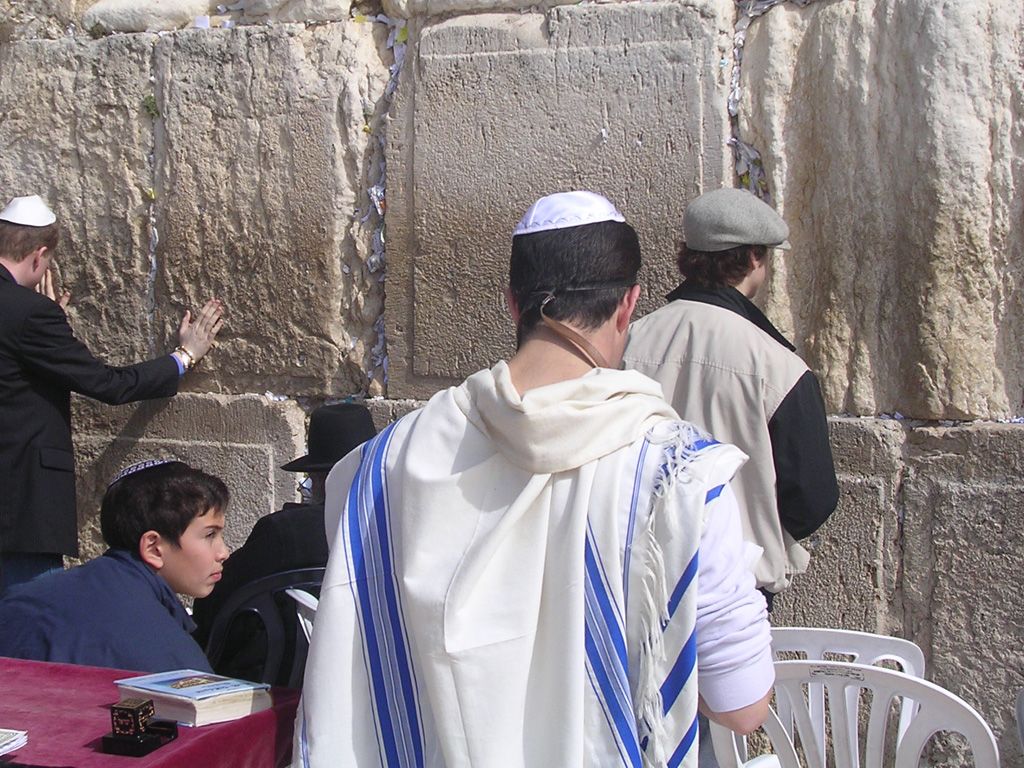
The composition combines three main elements: the white background, two blue horizontal bands near the top and bottom edges, and the central hexagram. The blue bands are widely understood to evoke the stripes of the traditional Jewish prayer shawl (tallit), while the white field is often associated with purity or light. The hexagram, known in Hebrew as the Magen David, has been adopted as a broadly recognized emblem of Jewish peoplehood.
History and adoption
Variants of this motif appeared in the late 19th and early 20th centuries among Zionist organizations and Jewish groups. The simple blue-and-white design with a hexagram became a common banner for Zionist congresses and public occasions. When the modern State of Israel was established, the design was adopted as the national flag by the new government in 1948 and has been used in official contexts since then. For historical sources and official descriptions see government publications and historical overviews such as museum and archival records.
Uses, protocol and display
The flag serves in civic, diplomatic and military contexts: it flies at government buildings, on official documents, during ceremonies and at international representations. There are established protocols for display, folding, and respectful handling, and variations for state and military purposes. Guidance on formal use is available in official documents and ceremonial guides: protocol notes.
Variations and notable facts
- Several official and unofficial variants exist, including flags with fringes or combined emblems for specific offices.
- Municipalities, organizations and religious groups sometimes adapt the basic motif by adding local symbols or inscriptions.
- The flag has cultural and political significance beyond its formal role and appears frequently at community events and international gatherings; discussions about its use can reflect broader social and political debates.
For additional background on symbolism and public reception, consult educational and cultural resources such as scholarly treatments or community histories available through cultural centers and archives: further reading.
Related articles
Author
AlegsaOnline.com Flag of Israel Leandro Alegsa
URL: https://en.alegsaonline.com/art/34817