
Flash Thompson (Eugene 'Flash' Thompson) — Marvel Comics character
Eugene “Flash” Thompson is a supporting Marvel Comics character created in 1962. A school athlete turned soldier and later a symbiote host, he evolved from bully to complex ally of Peter Parker/Spider-Man.
Overview
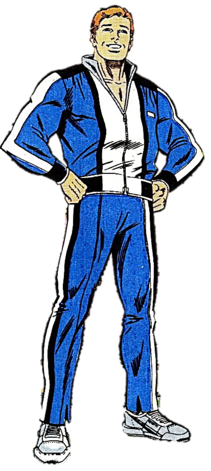
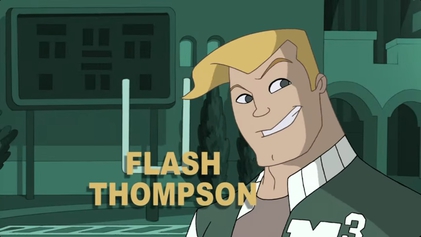
Eugene "Flash" Thompson is a long‑running supporting character in American comic books published by Marvel Comics. Created by Stan Lee and Steve Ditko, he debuted during the same issue that introduced Spider‑Man, appearing in Amazing Fantasy #15. In early stories he is best known as Peter Parker’s high school tormentor: a popular athlete who simultaneously idolizes the costumed hero Spider‑Man while belittling Peter. Over decades of continuity, writers developed his background and personality, transforming him from a one‑dimensional bully into a conflicted veteran and, at times, a heroic figure in his own right.
Image gallery
5 Images

Character traits and supporting cast
Originally presented as a high school student and standout football player, Flash’s bravado masks insecurity. He taunted Peter Parker but also admired Spider‑Man’s courage, creating a memorable tension: Flash cheers the masked hero while treating Peter poorly. The contrast between the bully and the admired superhero is central to their early dynamic, especially after Peter gains powers from a radioactive spider bite and becomes Spider‑Man, a secret Flash does not initially know. This paradoxical relationship—abuse toward Peter, reverence for Spider‑Man—has been used by writers to explore themes of identity, hero worship, and redemption.
History and development in comics
Flash first appeared in the early 1960s and was a recurring figure through Spider‑Man’s formative stories. He appears in schoolyard confrontations and love‑triangle plots, and later storylines expand his adult life. In classic continuity Flash enlisted in the U.S. military and served abroad; his wartime experiences left psychological scars and led to substance abuse in certain arcs. Different writers and reboots have updated the era of his service to reflect contemporary conflicts, so earlier references to the Vietnam War coexist with modern retellings that relocate his military service to later 20th‑ or 21st‑century deployments.
Military service, struggles and friendship with Peter
Comics portray Flash leaving the United States to serve overseas (leaving the country) and returning a changed man after combat. Early stories explicitly placed his service during the Vietnam War, and later issues show him returning (coming back from war) with trauma that leads to heavy drinking and social isolation. Those arcs emphasize Peter Parker’s capacity for empathy: despite their fraught history, Peter helps Flash during his lowest moments, and the two become friends. Writers have used Flash’s struggles with alcohol and reintegration into civilian life as a way to depict consequences of war on veterans; references to addiction and recovery are handled with varying degrees of depth across different runs (alcohol and recovery).
Agent Venom and later roles
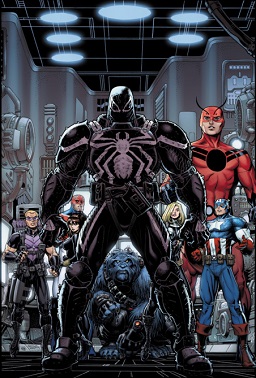
In more recent decades Flash’s character took an uncommon turn when he became a host for the Venom symbiote. As a bonded operative known informally as "Agent Venom," he combined his military training with the symbiote’s abilities to work on government missions and covert assignments. This phase recast Flash as a heroic, if conflicted, action figure: he struggled to control the symbiote while trying to do morally difficult jobs for higher authorities. The Agent Venom identity broadened Flash’s role in the Marvel Universe beyond being simply Peter Parker’s former bully.
Legacy, adaptations and distinctions
Flash Thompson illustrates how a supporting character can evolve across decades of serialized storytelling. He is notable for shifting from antagonist to ally, for being written with real‑world issues such as military trauma and substance abuse, and for unusual story beats like becoming a symbiote host. Flash has appeared in animated television, films and other media adaptations where his relationship to Peter and to the Spider‑Man persona are commonly explored. For readers seeking primary sources and overviews, consult classic Spider‑Man anthology issues, character encyclopedias and modern comic runs that center on his Agent Venom period. Further information and reading suggestions can be found in fan and reference guides (school era, athletic role, origin events, Spider‑Man connections, series appearances, foreign service, wartime background, return and recovery, personal struggles, first appearance, publisher pages).
Related articles
Author
AlegsaOnline.com Flash Thompson (Eugene 'Flash' Thompson) — Marvel Comics character Leandro Alegsa
URL: https://en.alegsaonline.com/art/35024