
Star of David
A six-pointed geometric emblem formed by two interlaced triangles, widely recognized as a symbol of Judaism and Jewish identity, with medieval origins and modern national and cultural uses.
Overview
The Star of David, commonly known by its Hebrew name Magen David (literally "Shield of David"), is a hexagram formed by two overlapping equilateral triangles. It functions today as a prominent Jewish symbol representing community, identity and faith in many contexts. The Hebrew name and its pronunciations are discussed in linguistic sources: Māġēn Dāwīd (pronunciation).
Image gallery
10 Images


Form and characteristics
Geometrically the motif is a six-pointed star (hexagram) created when one triangle is inverted and centered over another. Variations include outlined strokes, filled shapes, and stylized or interlaced designs. It is visually distinct from five-pointed stars and crosses, and is often incorporated into architecture, ritual objects and personal jewelry. The figure is sometimes conflated with other hexagramic symbols such as the Seal of Solomon, but these have different historical associations.
History and development
Evidence for the symbol's association with Judaism appears relatively late. Early occurrences of the hexagram are found across different cultures and artistic traditions, but documented Jewish uses emerge in the Middle Ages. From medieval synagogue decorations and manuscripts the motif spread in communal heraldry and liturgical art. By the 17th–19th centuries various Jewish communities had adopted the star as an identifying emblem, especially for congregational and communal seals.
Modern adoption and uses
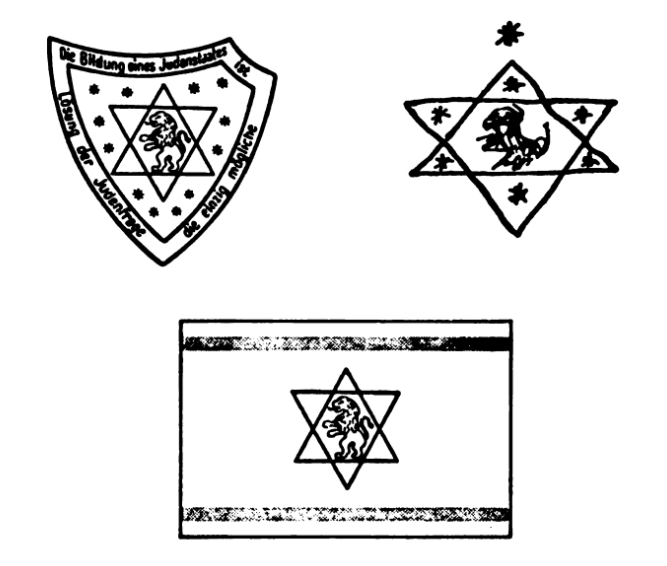
In the modern era the Star of David became a central emblem of Jewish communal and national movements. It was chosen by 19th-century organizations and later by the Zionist movement as a visual marker of Jewish peoplehood. The symbol is featured prominently on the flag of Israel, and appears on synagogues, tombstones, ritual objects, and personal items such as necklaces and rings.
Contexts, meanings and controversies
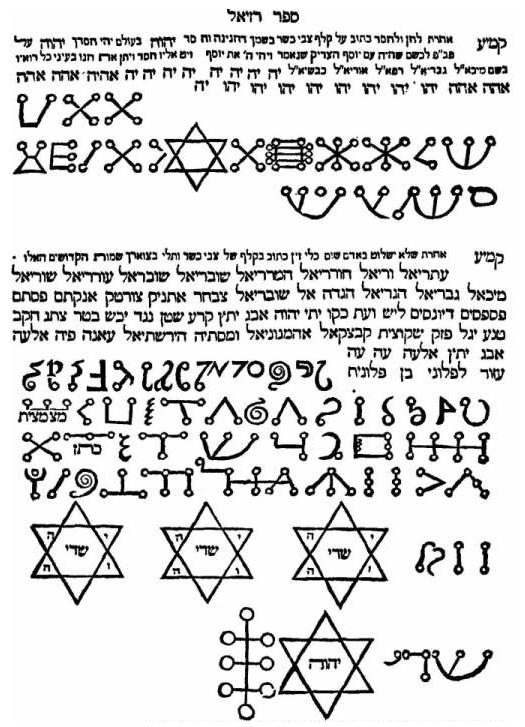
The star serves multiple roles: emblem of faith and community, decorative motif, and identifier in civic settings. It also bears painful historical associations: during the Nazi era German National Socialists forced Jews to wear a yellow badge bearing the star or the word "Jude" as a method of persecution. The symbol has additional layers of meaning in mystical and esoteric traditions, where it sometimes appears in kabbalistic and occult contexts.
Notable distinctions
Key points to distinguish:
- The Star of David is a geometric hexagram; the Seal of Solomon is a related but historically separate motif.
- Its adoption as a universal Jewish emblem is a relatively recent development rather than an ancient, continuous tradition tied directly to King David.
- Contemporary uses range from national symbolism to personal and religious expression; the star's meaning can depend on context.
The Star of David remains one of the most recognizable symbols associated with Jewish life, combining aesthetic, historical and symbolic significance across religious, cultural and national spheres. Further reading and resources are available through scholarly and community sites that track its changing roles over time: see general histories and museum collections for images and documented examples (pronunciation and names, symbol background, medieval origins, traditional associations, modern national use).
Author
AlegsaOnline.com Star of David Leandro Alegsa
URL: https://en.alegsaonline.com/art/93441