
Flash Gordon
Flash Gordon is a classic science-fiction space opera created by Alex Raymond in 1934. It follows Flash, Dale Arden and Dr. Zarkov battling Ming the Merciless on the planet Mongo across comics, serials, radio, film and TV.
Overview
Flash Gordon is a long-running space-opera tale that began as a newspaper comic strip created by artist Alex Raymond in 1934. Combining pulp adventure, exotic settings and melodramatic villains, the strip established many of the genre’s visual and narrative conventions: a heroic adventurer, a resourceful companion, brilliant but eccentric scientists, and a despotic ruler threatening Earth.
Image gallery
6 Images


Premise and main characters
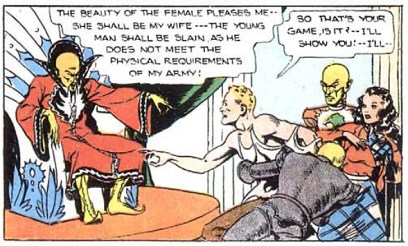
The basic storyline follows a heroic athlete, Flash Gordon, who is drawn into interplanetary conflict after Earth faces a lethal threat. He is typically accompanied by Dale Arden, a companion who varies in portrayal from damsel to active partner, and Dr. Hans Zarkov, an obsessive scientist whose inventions—most famously a rocket—carry them to the world of Mongo. Their principal antagonist is Ming the Merciless, an archetypal tyrant seeking conquest.
Characteristics and style
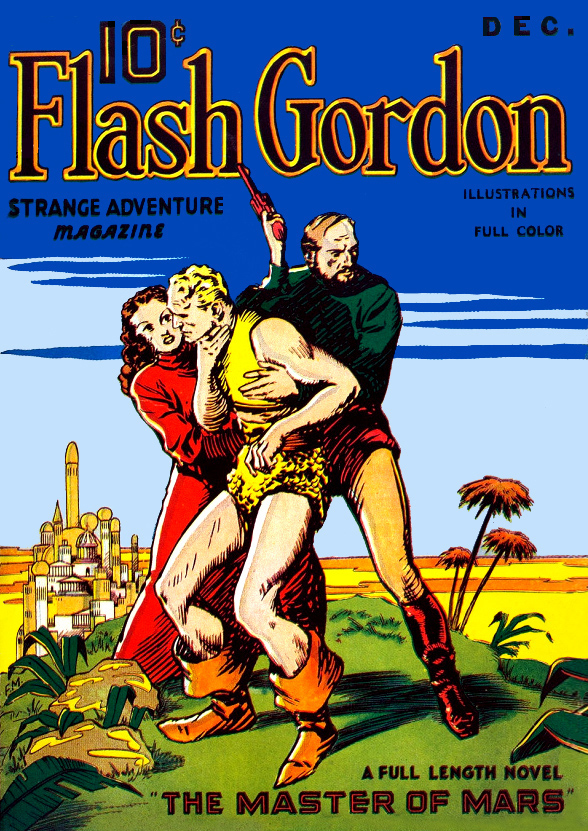
The strip is known for bold, cinematic art, exotic creatures and diverse realms—forests of giant trees, airborne cities, and warrior tribes. As a blend of science fiction and pulp adventure, its tone ranges from swashbuckling heroics to melodrama, often emphasizing spectacle over strict scientific realism. Over decades, artists and writers reinterpreted the characters and designs while retaining the fast-paced, episodic structure.
Adaptations and examples
- 1930s film serials brought the strip to early cinema and helped popularize its imagery, with prominent serial actors bringing Flash to screen.
- Radio dramatizations and later television series adapted the episodic adventures for broadcast audiences of successive generations.
- A feature film released around 1980 introduced a more flamboyant, camp-inflected vision of the story and was noted for its contemporary rock soundtrack.
Legacy and influence
Flash Gordon has been influential in shaping modern space opera, inspiring later science-fiction filmmakers and illustrators with its striking designs and archetypal characters. The strip’s villains, costumes and exotic locales remain reference points in popular culture, and the property has been periodically revived across media—from comic reprints and new strips to radio and television remakes—testifying to its durable appeal as a mythic adventure.
For more detailed histories and episode lists see introductions and archival summaries at sources that collect comic-strip and broadcasting histories: overview, adaptations, and original publication notes at comic-strip archives.
Questions and answers
Q: What is Flash Gordon?
A: Flash Gordon is a science fiction adventure story that began as a comic strip in 1934.
Q: What other forms of media has the story of Flash Gordon been adapted into?
A: The Flash Gordon story has been made into movies, TV shows and a radio show.
Q: Who are the main characters in Flash Gordon?
A: The main characters in Flash Gordon are Flash Gordon, Dale Arden, and Dr. Hans Zarkov.
Q: Where do the main characters travel to in Flash Gordon?
A: The main characters travel to the planet Mongo in Flash Gordon.
Q: What does the evil Emperor Ming want to do in Flash Gordon?
A: The evil Emperor Ming plans to take over the Earth in Flash Gordon.
Q: What do Flash, Dale and Zarkov have to do in Flash Gordon?
A: In Flash Gordon, Flash, Dale and Zarkov have to make friends with the other people on Mongo to battle Ming and stop his plans.
Q: When did a new Flash Gordon TV show premiere?
A: A new Flash Gordon TV show premiered on the Sci Fi Channel in August 2007.
Related articles
Author
AlegsaOnline.com Flash Gordon Leandro Alegsa
URL: https://en.alegsaonline.com/art/35018