
Abdelbaset al‑Megrahi — convicted in the Lockerbie bombing
Biography and overview of Abdelbaset al‑Megrahi, the Libyan convicted for the 1988 Lockerbie bombing, his trial, release on compassionate grounds, controversies and legacy.
Overview
Abdelbaset Ali Mohmed al‑Megrahi (1 April 1952 – 20 May 2012) was a Libyan national who became internationally known after his conviction in connection with the destruction of Pan Am Flight 103 over Lockerbie, Scotland on 21 December 1988. He served as head of security for Libyan Arab Airlines and was variously described in public material as an airline security official and as having alleged links to intelligence services. He was the only person ever convicted for the bombing, which killed 270 people, most of them passengers and crew along with residents in the town below.
Image gallery
2 Images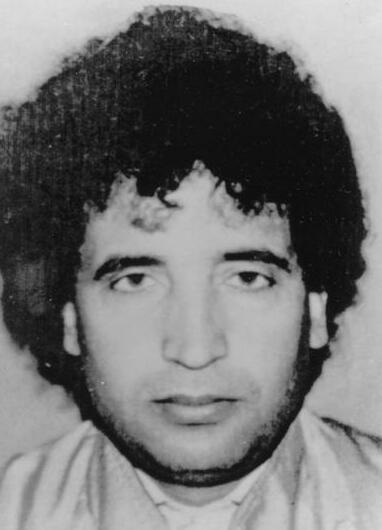

Investigation, trial and conviction
Following years of investigation and international pressure, Libyan authorities handed over suspects. Megrahi was detained in Libya from 1991 until 1999, and then transferred under guard to a specially convened Scottish court sitting in the Netherlands for trial. His trial opened in May 2000; on 31 January 2001 he was found guilty of 270 counts of murder and sentenced to life imprisonment by the court. The proceedings and verdict were reported and analysed worldwide, and remain a focal point for discussion about international terrorism prosecutions.
Appeals, review and release
Megrahi lodged an appeal that was rejected in 2002. Subsequent legal and review processes included a referral by the Scottish Criminal Cases Review Commission which led to consideration of a further appeal; that review reflected continuing debate about aspects of the evidence and procedure. He was serving his sentence in Scottish custody until 20 August 2009, when he was released on compassionate grounds because of terminal illness (prostate cancer). On release he returned to Tripoli on the same day and lived there until his death in May 2012.
Controversy and differing assessments
The case generated strong, persistent disputes. Questions were raised publicly about the reliability of witness identification, the interpretation of forensic fragments, and the role of intelligence material presented during the prosecution. Some families of victims and many officials accepted the conviction as justice served; others, including a number of legal commentators and advocacy groups, argued that weaknesses in the evidence or in procedure supported continuing doubts. The broader diplomatic context included Libya's later acceptance of responsibility and arrangements to provide compensation to victims' families, decisions that affected international relations and the resolution of outstanding claims.
Legacy and notable facts
Megrahi's case remains a reference point in debates over accountability for acts of mass terrorism, the handling of transnational criminal prosecutions, and how compassionate release is applied in high‑profile cases. It also illustrates how contested forensic evidence and international diplomacy can shape public perception of criminal trials. For further details and primary documents, see official summaries and contemporaneous reporting: conviction reports, Lockerbie incident summaries, and materials on the flight and victims (Scotland, aviation inquiries). Additional coverage is available from sources describing his background (intelligence allegations, Tripoli connections), the transfer and trial arrangements (Netherlands venue), the sentencing (murder counts, life sentence), medical and release decisions (health, death), and legal custody matters.
- Event: Pan Am Flight 103 bombing (21 December 1988).
- Conviction: Guilty verdict delivered 31 January 2001.
- Release: Compassionate release 20 August 2009 due to terminal illness.
- Death: Died in Tripoli on 20 May 2012.
Related articles
Author
AlegsaOnline.com Abdelbaset al‑Megrahi — convicted in the Lockerbie bombing Leandro Alegsa
URL: https://en.alegsaonline.com/art/347
Sources
- bbc.co.uk : BBC obituary
- telegraph.co.uk : Telegraph obituary