
First Lady (title)
Informal title for the spouse of a non-monarchical head of state or chief executive, with cultural roles, variations (First Gentleman, First Spouse), historical development and common duties.
The term "First Lady" is an informal designation typically applied to the wife of a non-monarchical head of state or chief executive. It is a social and cultural role rather than a formal office in most countries. When used, the title signals the spouse's public visibility and association with ceremonial, representational, or charitable activities tied to the head of state’s position. The label is rarely applied to spouses of heads of government who are not also heads of state.
Image gallery
6 Images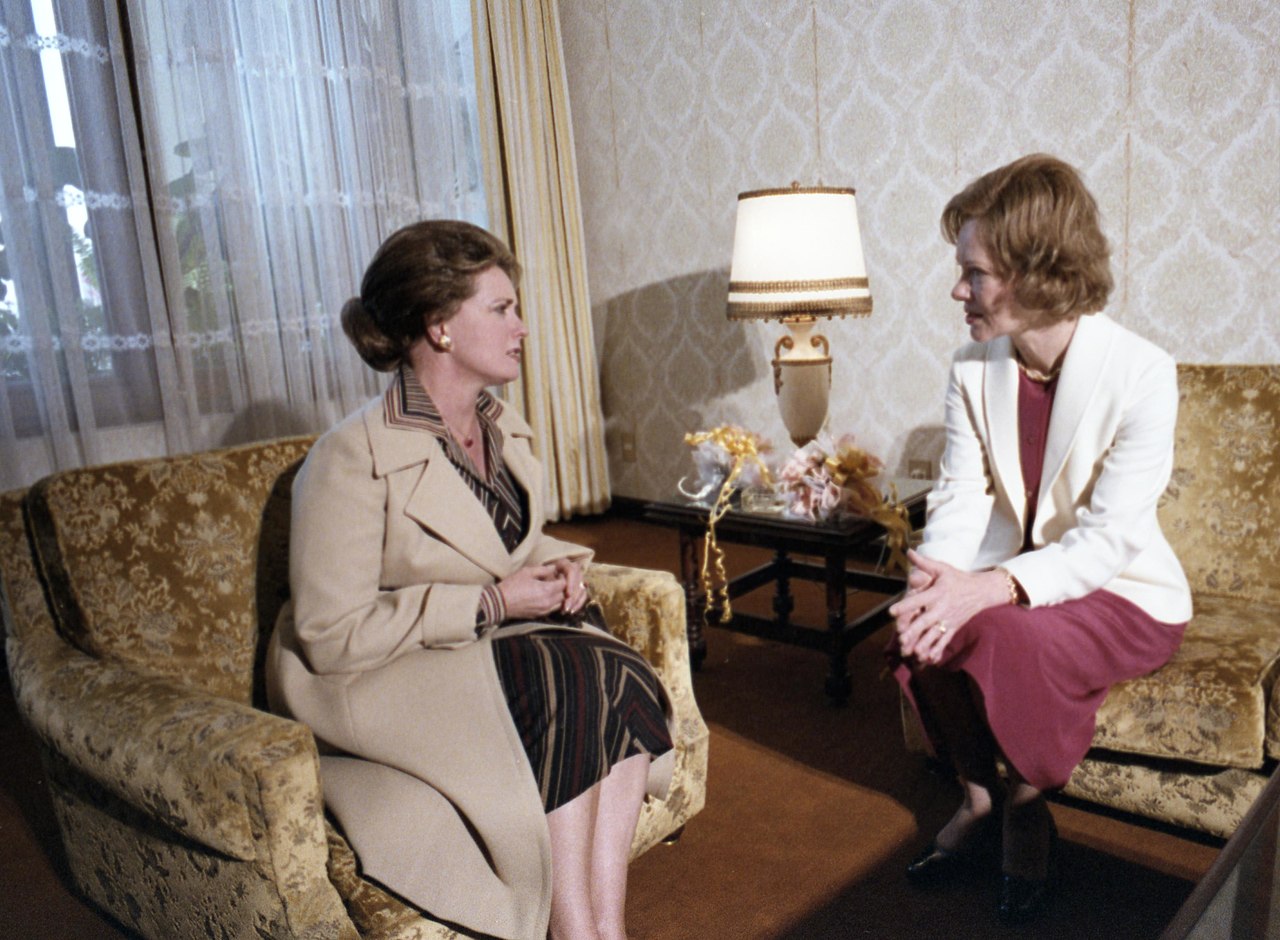


Common responsibilities and public roles
Although the specifics vary widely by country, era and individual, common functions associated with the role include:
- Ceremonial hosting and representing the state at official functions, receptions and diplomatic events.
- Championing causes and public projects such as education, health, cultural preservation or social welfare.
- Managing a public communications profile and interacting with media and civic organizations.
- Overseeing household, hospitality and protocol arrangements at official residences, where applicable.
These activities may be supported by staff, an office within the presidential or executive household, or by non-governmental organizations that coordinate the First Lady’s initiatives.
Variations: First Gentleman and First Spouse
As more women have become heads of state or chief executives, alternative forms of the title have appeared. "First Gentleman" is used when the head of state's spouse is male; it occurs in national and subnational contexts such as the Philippines and Malta, and is sometimes used for the husbands of governors in the United States. To remove gendered language, some prefer the neutral term "First Spouse," which is promoted for reasons of gender equality and inclusiveness. The choice of title often reflects local custom and public preference rather than legal prescription.
History and development
The role and recognition of a leader’s spouse have evolved over time. In many countries the position began as an informal social function connected to courtly or governmental hospitality and grew into a platform for public advocacy as mass media expanded. The prominence and political influence of First Ladies or First Gentlemen vary: some maintain a highly visible, program-driven public profile, while others remain private and ceremonial.
Legal status, funding and controversies
In most jurisdictions the title carries no official duties or salary; however, the spouse may receive government support for staff, security and travel related to official activity. This ambiguous legal standing can generate debate about accountability, the appropriate use of public funds, and the extent to which unelected individuals should influence public policy. Discussions also arise over expectations placed on spouses—especially when they are expected to perform significant unpaid labor—or when the spouse pursues partisan or controversial causes.
Because the role is shaped by culture and politics, its form and significance continue to change. Comparative study highlights how different countries balance ceremonial tradition, gender norms and modern expectations of public service in the person identified as the First Lady, First Gentleman or First Spouse. For further general information about the term and its usage see related resources on the spouse of a head of state at reference sites.
Related articles
Author
AlegsaOnline.com First Lady (title) Leandro Alegsa
URL: https://en.alegsaonline.com/art/34565
Sources
- merriam-webster.com : First Lady, Merriam-Webster Dictionary
- oxforddictionaries.com : First Lady, Oxford Dictionaries
- wsj.com : wsj.com/articles/the-first-ladies-and-their-predecessors-1432830990
- wsp.presidencia.gov.co : "'He asumido mi compromiso con la niñez de Colombia con toda la disposición de mi corazón', afirma la Primera Dama"