
Flag of Albania
The national flag of Albania is a red field bearing a black double-headed eagle. Its design traces to medieval heraldry and national liberation, and it appears in state, military and civic forms.
Overview
The national flag of Albania is a simple but striking banner: a red field charged with a black double-headed eagle centered on the surface. In the Albanian language the flag is commonly called Flamuri i Shqipërisë. The emblem is an important national symbol that appears in government use, on monuments, at public events and in private displays of identity.
Image gallery
7 Images


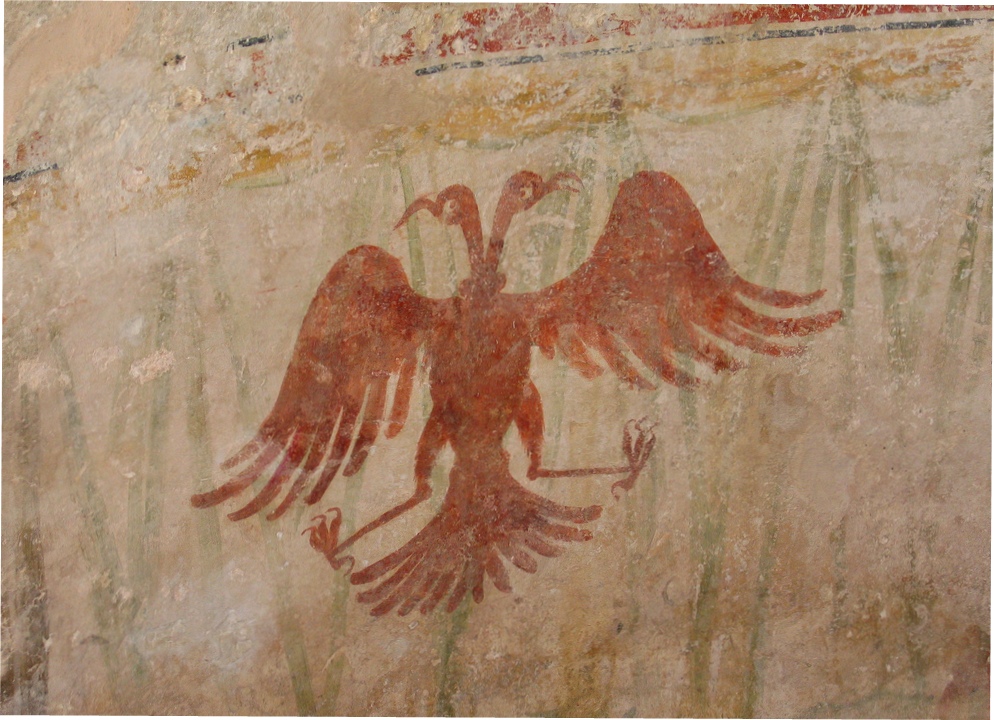


Design and symbolism
Visually, the flag consists of two primary elements. The background is a vivid red and the foreground is a stylized, silhouetted black double-headed eagle. The combination is intended to convey strength, bravery and sovereignty. Designers and vexillologists note the flag's high contrast and strong silhouette, which make it easily recognizable from a distance.
Characteristics
- Field color: red — often described simply as a plain red field red field.
- Charge: a black double-headed eagle, shown as a silhouette double-headed eagle.
- Style: the eagle is typically rendered in a heraldic, symmetrical form; proportions and artistic details may vary by use (official flags, military standards, decorative banners).
History and origins
The double-headed eagle motif has deep roots in the Balkans and broader Byzantine heraldry. It became associated with Albanian resistance and leadership in the late medieval period and was later adopted by national leaders as a symbol of unity and independence. The modern flag's association with the declaration of Albanian independence in 1912 helped fix the eagle and red field as the primary national emblem. Throughout the 20th century the basic motif endured, though state emblems and inscriptions placed on the flag changed with political regimes.
Use, variants and notable facts
The flag is used in official and unofficial contexts: national government buildings, embassies, armed forces, sports events and diaspora communities. Variants include versions with additional state emblems or inscriptions for specific institutions and simplified citizen versions for everyday display. The image of the two-headed eagle also appears on coins, seals and in cultural representations. Because of its simplicity and historical resonance, the flag functions both as a national identifier and as a cultural icon.
Related articles
Author
AlegsaOnline.com Flag of Albania Leandro Alegsa
URL: https://en.alegsaonline.com/art/34721