
First Minister and deputy First Minister of Northern Ireland
The First Minister and deputy First Minister jointly lead Northern Ireland's executive. This article explains their roles, equal powers, appointment, history since the 1998 settlement, and political significance.
Overview
The First Minister and the deputy First Minister are the two most senior officers of the Northern Ireland Executive. Although commonly styled with a hierarchical ring to the titles, the offices form a joint leadership: they exercise executive authority together and are designed to represent the major communities and parties in Northern Ireland's power-sharing system. The offices are also referred to in Irish and Ulster Scots—the Irish form is often given as Céad-Aire agus an leas-Chéad-Aire—and the arrangement is frequently described as a diarchy because of the formally equal status of the two posts.
Image gallery
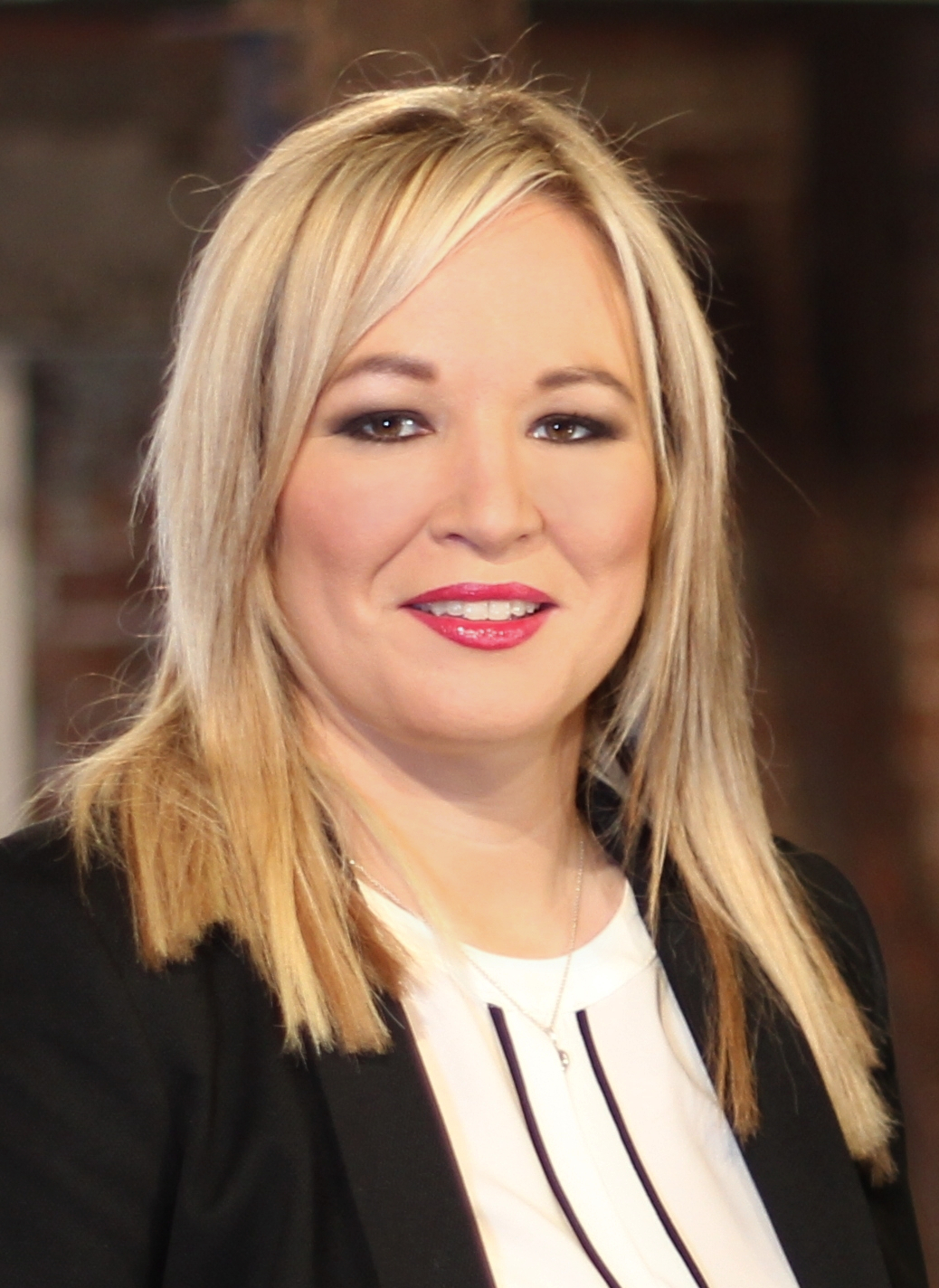
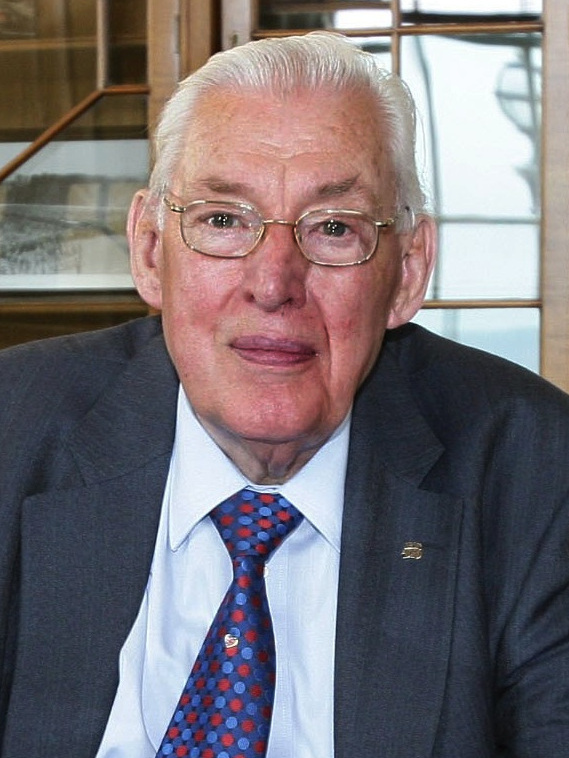
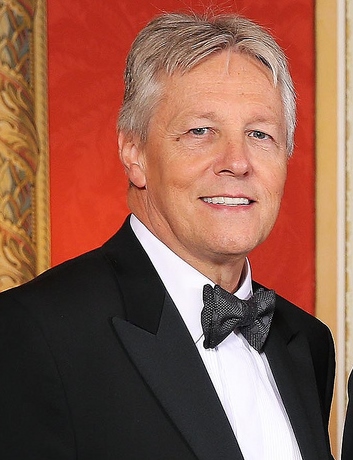
10 Images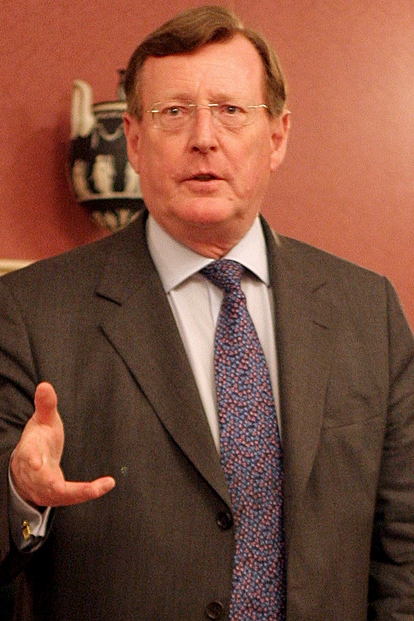






Functions and responsibilities
The holders chair the Executive Committee of the Assembly and play leading roles in setting government priorities and coordinating policy across departments. Key responsibilities include:
- Leading executive meetings and representing the Executive in relations with the United Kingdom and Irish governments;
- Allocating ministerial portfolios and overseeing implementation of collective decisions;
- Acting as high-profile political figures who embody the inclusive, cross-community nature of devolved government.
Although either office may be described informally as 'First' or 'deputy', statute and practice emphasize that the posts share equal power: a vacancy or resignation in one office has immediate implications for the other under the arrangements established by the Northern Ireland Act 1998 and subsequent legislation.
Appointment and political practice
Both offices are filled from members of the Northern Ireland Assembly. The nominees are selected by party designations and appointment procedures intended to ensure cross-community consent. In practice, the largest party in the largest designation normally supplies the First Minister nominee while the largest party of the other largest designation supplies the nominee for deputy First Minister. The process is supervised by the Assembly and requires formal appointment procedures in the Assembly chamber (Northern Ireland Assembly).
History and notable holders
The joint offices were created following the 1998 Good Friday Agreement as part of a power-sharing settlement to end decades of conflict. Since then, several prominent political figures have served in these roles. For example, Peter Robinson, long associated with the Democratic Unionist Party (DUP), served as First Minister, while Martin McGuinness was a high-profile deputy First Minister representing Sinn Féin (Sinn Féin) and a key figure in the peace process; McGuinness is often mentioned in historical accounts of the office (Martin McGuinness). Biographical and party-specific information about past holders and candidates can be found via official records and party resources, including pages about figures such as Peter Robinson.
Significance and practical effects
The joint leadership is central to Northern Ireland's attempt to build stable, inclusive government. It reduces the likelihood that a single community or party will dominate policymaking and provides built-in incentives for cooperation. However, the arrangement has also been the focus of political disagreement; suspensions of the Assembly and Executive have occurred when parties could not agree on appointments or governance issues. Despite tensions, the offices remain a distinctive institutional mechanism designed to balance representation, enable shared decision-making, and encourage long-term political accommodation.
Further reading
For more detail on legal mechanisms, historical development and recent occupants, consult official Assembly material and authoritative analyses of Northern Irish devolution and the Good Friday Agreement. Useful starting points include Assembly documentation and party or biographical pages linked above via the placeholders.
Questions and answers
Q: What are the First Minister and Deputy First Minister?
A: The First Minister and Deputy First Minister (FM/dFM for short) are jobs in the Northern Ireland Government.
Q: Who currently holds these positions?
A: Currently, the position is held by Sir Jeffrey Donaldson (DUP) and Michelle O’Neill (Sinn Fein).
Q: How are they appointed?
A: Both are nominated and appointed by members of the Northern Ireland Assembly.
Q: Are the two positions equal in power?
A: Yes, they have equal power; it is a diarchy meaning both positions have an equal say.
Q: Who were the incumbents before Sir Jeffrey Donaldson and Michelle O'Neill?
A: Before them, the incumbents were Peter Robinson of the Democratic Unionist Party as First Minister and Martin McGuinness of Sinn Féin as deputy First Minister.
Q: Is one position more important than another?
A: No, neither position is more important than the other.
Related articles
Author
AlegsaOnline.com First Minister and deputy First Minister of Northern Ireland Leandro Alegsa
URL: https://en.alegsaonline.com/art/34573
Sources
- niassembly.gov.uk : "Members' Salaries 2013-2014"
- northernireland.gov.uk : Policing and Justice Process Paper
- northernireland.gov.uk : Devolved Government - Ministers and their departments
- belfasttelegraph.co.uk : Martin's D-lemma: lowering the case of the minister's title took top aides weeks