
First Inauguration of Thomas Jefferson (March 4, 1801)
Thomas Jefferson's first inauguration on March 4, 1801, marked a peaceful transfer of power, the start of his first term with Aaron Burr as vice president, and the first presidential ceremony held in Washington, D.C.
Overview
The first inauguration of Thomas Jefferson took place on March 4, 1801. Jefferson was administered the presidential oath by Chief Justice John Marshall, formally becoming the third president of the United States. The event inaugurated Jefferson's first four-year term and installed Aaron Burr as vice president.
Image gallery
4 Images
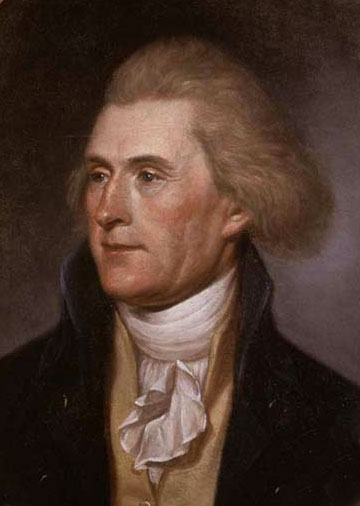


Location and setting
This ceremony was the first presidential inauguration held in the new federal capital. It occurred in the United States capital, Washington, D.C., as the seat of government was shifting from earlier temporary locations. The choice of the capital reflected the consolidation of national institutions and the growing importance of the newly built Capitol.
Political background
The inauguration followed the contentious election of 1800, a contest that produced an electoral tie and required resolution by the House of Representatives. Jefferson's victory represented a transfer of executive authority from the Federalist Party to the Democratic-Republican Party. The episode is often described as a defining moment in early American politics and has been called, by later observers, a peaceful "revolution" because it changed the governing majority without violence.
Ceremony and message
Jefferson's inaugural address emphasized national unity and conciliation after a divisive campaign. He sought to soothe partisan tensions with appeals for cooperation and limited federal power, encapsulated by his inclusive phrasing that has been widely remembered: "We are all Republicans, we are all Federalists." The tone and content helped set expectations for presidential rhetoric and the public role of the office.
Consequences and legacy
The 1800 election and its aftermath highlighted flaws in the original electoral procedures; these shortcomings prompted later reforms, including adoption of the Twelfth Amendment in 1804 to alter how president and vice president are elected. More broadly, Jefferson's inauguration is cited as an early and influential example of the peaceful transfer of power between opposing political factions, an important precedent for American democracy.
Notable facts
- Chief Justice John Marshall administered the oath to Jefferson.
- The ceremony inaugurated the administration in Washington, D.C., rather than earlier capital locations.
- Aaron Burr served as vice president following the election; he is referenced here as Aaron Burr.
- The event is recorded among the early formal transitions of the presidency in the United States.
- For contemporary summaries and primary documents see sources linked under general histories of the inauguration and biographies of Jefferson.
Related articles
Author
AlegsaOnline.com First Inauguration of Thomas Jefferson (March 4, 1801) Leandro Alegsa
URL: https://en.alegsaonline.com/art/34558
Sources
- inaugural.senate.gov : "Inauguration of President Thomas Jefferson, 1801"