
United States presidential inauguration
The formal ceremony in which the president-elect takes the constitutionally required oath, begins the presidential term, and symbolically receives executive authority in the United States.
Overview
The United States presidential inauguration is the public ceremony that marks the beginning of a new presidential term and the peaceful transfer of executive authority. It follows the national election and is the moment when the president-elect is formally made President. The event combines legal obligation and national ritual, and it is one of the most visible acts of American constitutional government.
Image gallery
10 Images





Main components
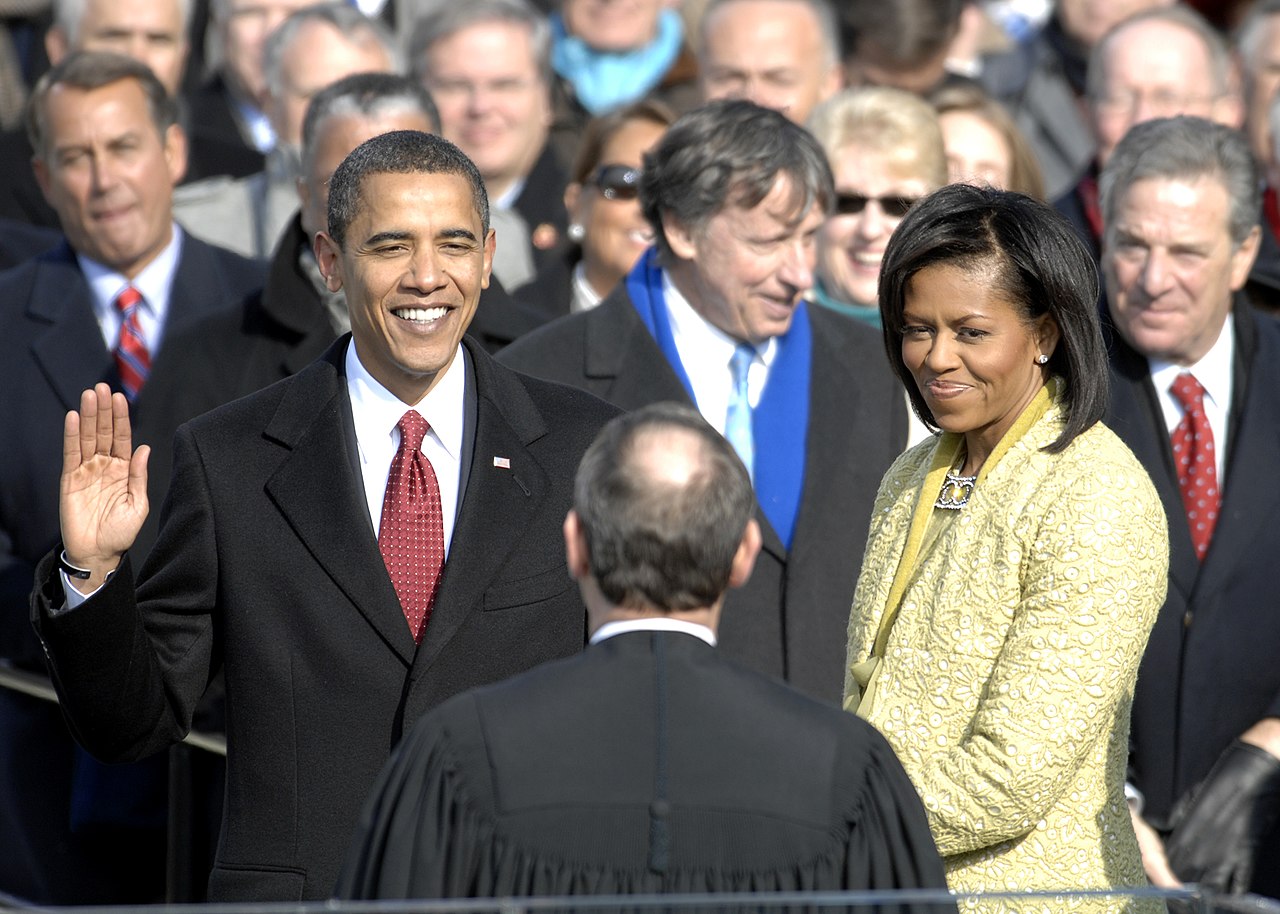
A central element is the taking of the constitutional oath, typically administered on the steps of the U.S. Capitol by the Chief Justice of the Supreme Court. The president swears to uphold the Constitution; the vice president also takes an oath. The inauguration commonly includes an inaugural address, official introductions, and ceremonies that reflect both governance and public celebration.
Rituals and public events
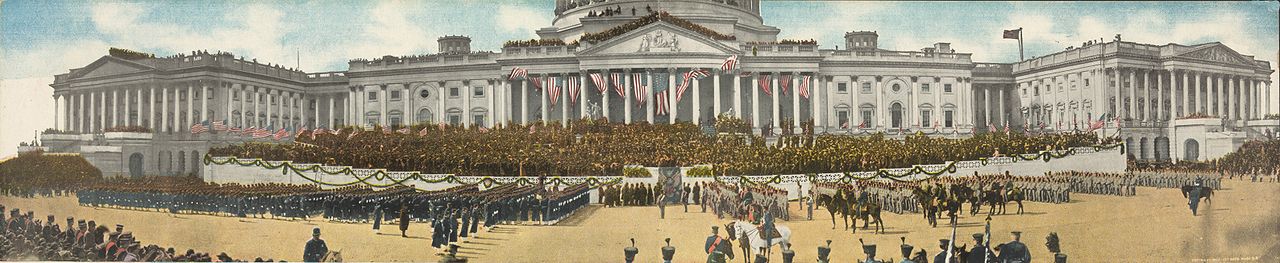
Beyond the oath and speech, inaugurations feature processions, public gatherings on the Capitol grounds, and official receptions. Parades, musical performances, and inaugural balls have become customary ways for citizens and guests to participate. Security and logistics on the day are extensive because of the high-profile nature of the participants and the concentration of spectators.
History and timing
Inaugurations evolved from early republic practice into an organized set of ceremonial and legal acts. For much of U.S. history the presidential term began on March 4, but a constitutional amendment in the 1930s changed the statutory start of the term to January 20 to shorten the period between election and assumption of office. The ceremony itself has adapted to changes in transportation, communications, and security over the decades.
Significance and continuity
The inauguration embodies the peaceful transfer of power and the continuity of constitutional government — key principles of the American system. It affirms that executive authority is exercised under law and that leadership can change without violence. The day combines formal legal requirements with symbolic language intended to set the tone for a new administration.
Variations and notable points
Some inaugurations have been held under unusual circumstances: weather, national crisis, or the death or incapacity of a president can alter plans. Ceremonial choices—whether a president swears, affirms, or delivers a brief versus lengthy address—reflect personal and political priorities. The event remains both a legal hinge of government and a public moment of national attention in the United States.
Additional resources and official records about past inaugurations, protocols, and schedules are maintained by government and historical institutions. For specifics on procedures and precedence, consult official sources or historical collections that document each administration's ceremony.
Related articles
Author
AlegsaOnline.com United States presidential inauguration Leandro Alegsa
URL: https://en.alegsaonline.com/art/103096