
Fireworks display: overview, components, history, uses and safety
An encyclopedic overview of fireworks displays covering their effects, construction, history, cultural uses, choreography, safety and regulatory considerations.
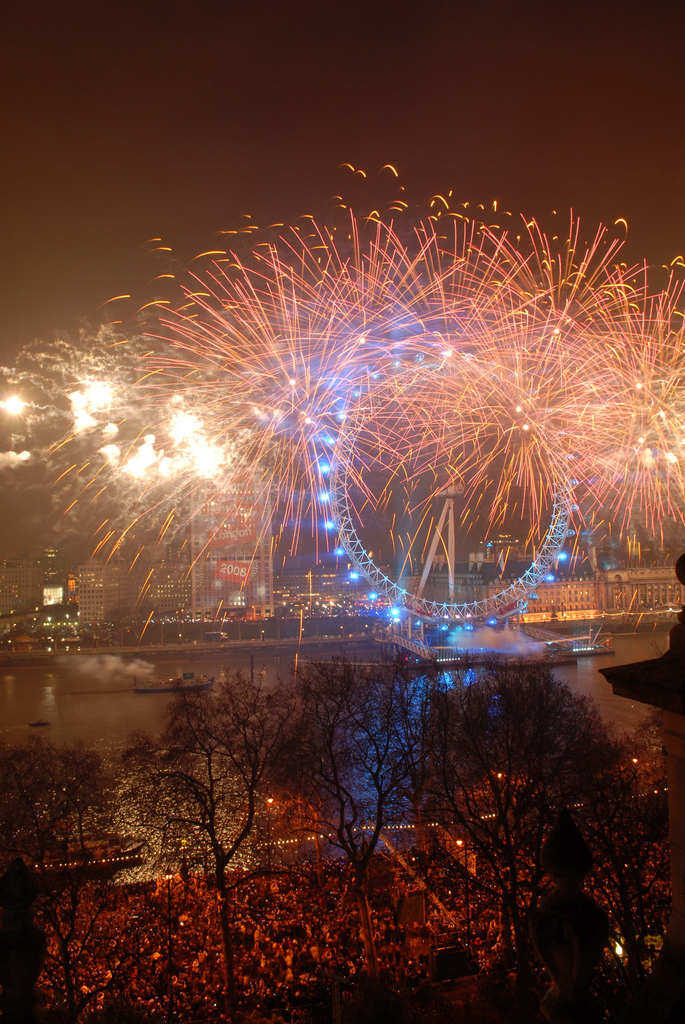
A fireworks display — also called a fireworks show or pyrotechnic presentation — is a planned public or private event in which manufactured pyrotechnic devices produce visual, auditory and sometimes tactile effects. Displays range from small neighborhood celebrations to large, professionally produced spectacles synchronized with music and lighting. They are commonly used at national holidays, cultural festivals, sporting events and private ceremonies.
Image gallery
10 Images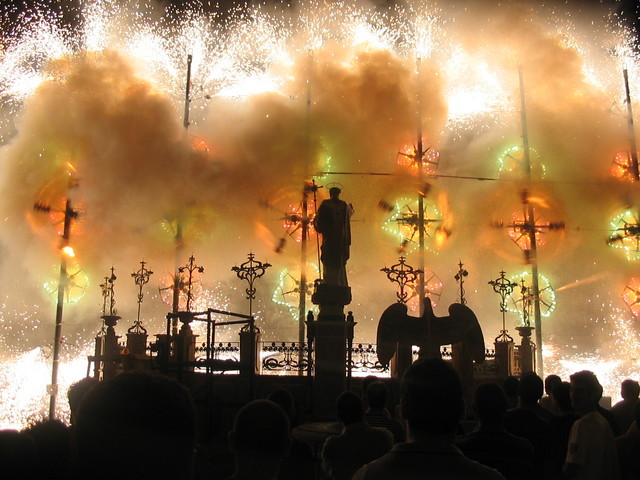





Components and common effects
Modern displays rely on a variety of devices and materials engineered to create predictable outcomes. Typical elements include:
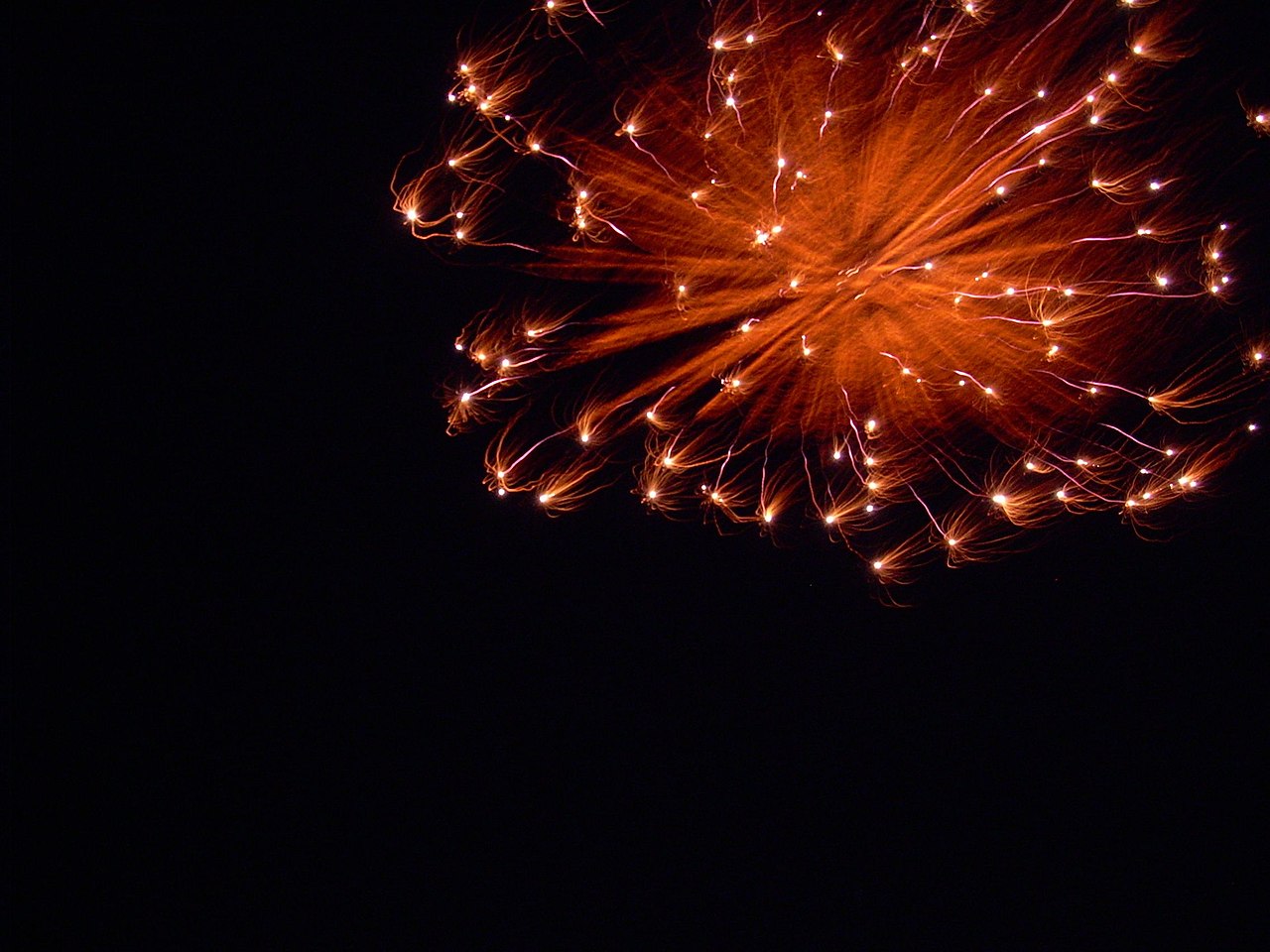
- Aerial shells: devices launched into the air that burst into colored stars, strobes, or shaped patterns.
- Rockets and mortars: provides lift for aerial effects.
- Fountains and gerbs: ground-based items producing jets of sparks and sprays.
- Roman candles and comets: produce repeated projectiles or trailing lights.
- Special effects: smoke, whistles, crackles, and low-noise options for urban settings.
For technical descriptions of devices, see technical details.
Design, choreography and execution
A professional fireworks presentation is the result of careful planning. Designers select effects, sequences and timing to achieve visual contrast and thematic progression. Many modern shows use electronic firing systems that synchronize bursts to music and lighting cues. Safety planning, crowd control and environmental considerations are integrated into the operational plan.
History and cultural role
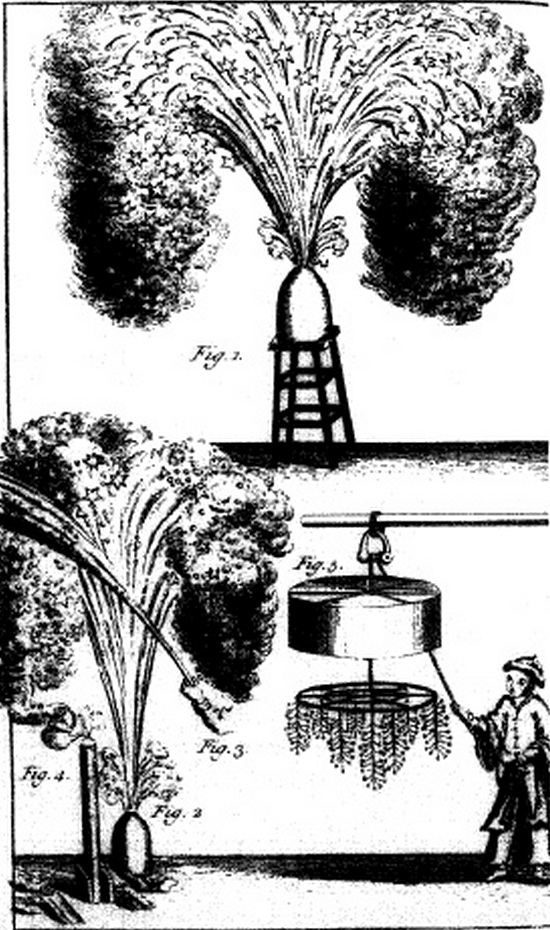
Fireworks have long been associated with celebration. They spread across regions through trade and cultural exchange, adapting to local tastes and ceremonial uses. Over time, pyrotechnics evolved from simple fireworks to complex aerial displays and competitive exhibitions. They remain a hallmark of communal festivities and major public occasions.
Uses, examples and competitions
Displays are central to many public holidays and community gatherings; for examples see resources on public holidays. Cities and organizers also stage international and regional contests where teams present themed shows judged on creativity and technical skill; information about such events is often listed under competitions.
Safety, regulation and environmental notes
Because pyrotechnics involve explosive and combustible materials, professional displays follow strict safety standards and local regulations. Permits, distance buffers, trained operators and post-show cleanup are typical requirements. In sensitive areas or during fire seasons, authorities may restrict or substitute displays with alternatives such as drone light shows or projection mapping to reduce risk and pollution.
Related articles
Author
AlegsaOnline.com Fireworks display: overview, components, history, uses and safety Leandro Alegsa
URL: https://en.alegsaonline.com/art/34498