
Firebreak: design, uses and limitations in wildfire control
A firebreak is a cleared or treated strip that removes combustible material to slow or stop wildland fires. Used with other tactics, it reduces fire spread by denying fuel continuity.
Overview
A firebreak is a deliberate gap in vegetation or other combustible material created to slow or stop the progress of a wildfire. By removing continuous fuel, a firebreak reduces the likelihood that flames, embers, or radiant heat will cross from one side to the other. Firebreaks are a fundamental element of wildfire management and are used together with suppression crews, aircraft, and controlled burns.
Image gallery
7 Images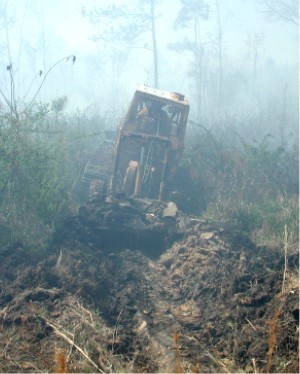


Design and common types
Firebreaks vary in width, form, and construction method depending on terrain, fuel type, and available resources. Common types include cleared strips produced by heavy machinery, hand-cut lines made by crews with tools, roads that act as barriers, and natural features such as rivers or rocky ground. In some situations, managers create a fuel break by thinning or changing vegetation rather than removing it entirely.
- Cleared lines: vegetation removed down to mineral soil.
- Fuel breaks: reduced or altered fuels to slow fire intensity.
- Roads and trails: existing infrastructure adapted for separation.
- Natural barriers: rivers, wetlands, or rock outcrops used where possible.
History and development
Firebreaks have been used historically in agricultural and military contexts to protect fields and settlements from unwanted fires. In modern wildfire management, techniques evolved with mechanized equipment and a growing understanding of fire behavior. Today, planning uses maps, weather forecasts, and fire modeling to position breaks where they will be most effective.
Uses, examples and coordination
Firebreaks are deployed for tactical control during active incidents, for strategic long-term fuel management near communities, and as part of prescribed burning programs. They are rarely relied on alone: effectiveness increases when combined with water drops, ground crews, or backburning. Examples include widening a road shoulder to create a line of defense, or constructing handline through brush to shield an access route.
Limitations, maintenance and safety
Firebreaks are not infallible. Spotting from windborne embers can carry fire across wide gaps, and extreme weather can render a break ineffective. Regular upkeep is needed to prevent regrowth of flammable plants and to maintain access. Managers also weigh ecological impacts and legal constraints when creating or enlarging breaks. For more on fire behavior, see fire science resources, for vegetation management techniques consult fuel treatment guidance, and for material hazards see fuel and ignition sources.
Related articles
Author
AlegsaOnline.com Firebreak: design, uses and limitations in wildfire control Leandro Alegsa
URL: https://en.alegsaonline.com/art/34479