
Photographic Negative Film
Light-sensitive film that records inverted tones and, for color negatives, complementary colors; developed negatives are used to make prints or scans and are valued for exposure latitude and reproducibility.
Overview
Negative film records an image with reversed tones: bright areas of a scene appear dark on the developed film and dark areas appear light. In color negative film the recorded colors are also inverted to their complements, so reds appear as cyan, greens as magenta and blues as yellow. The developed strip or sheet of film — the negative — is a durable intermediate from which any number of positive prints or digital scans can be made.
Image gallery
5 Images
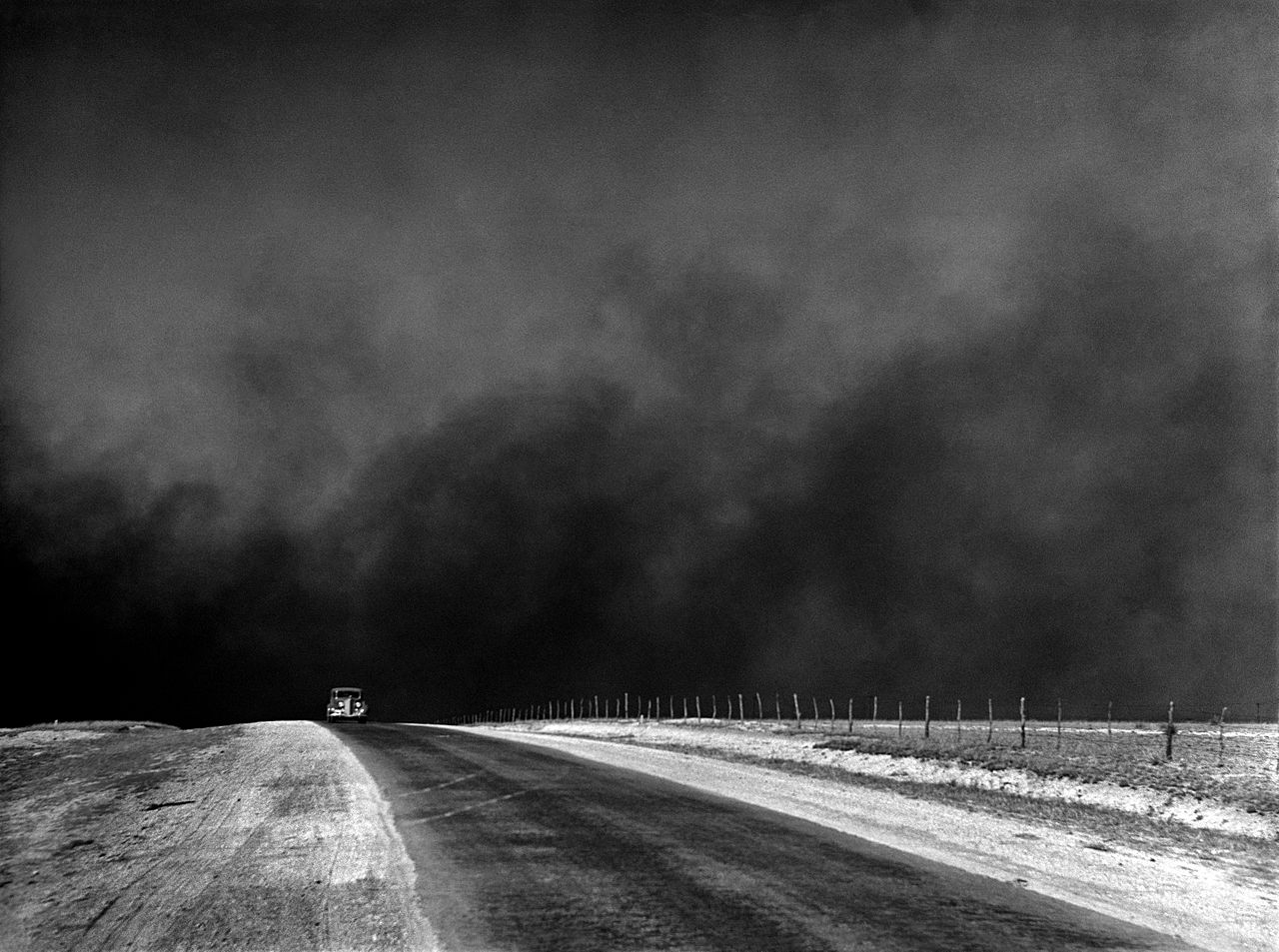
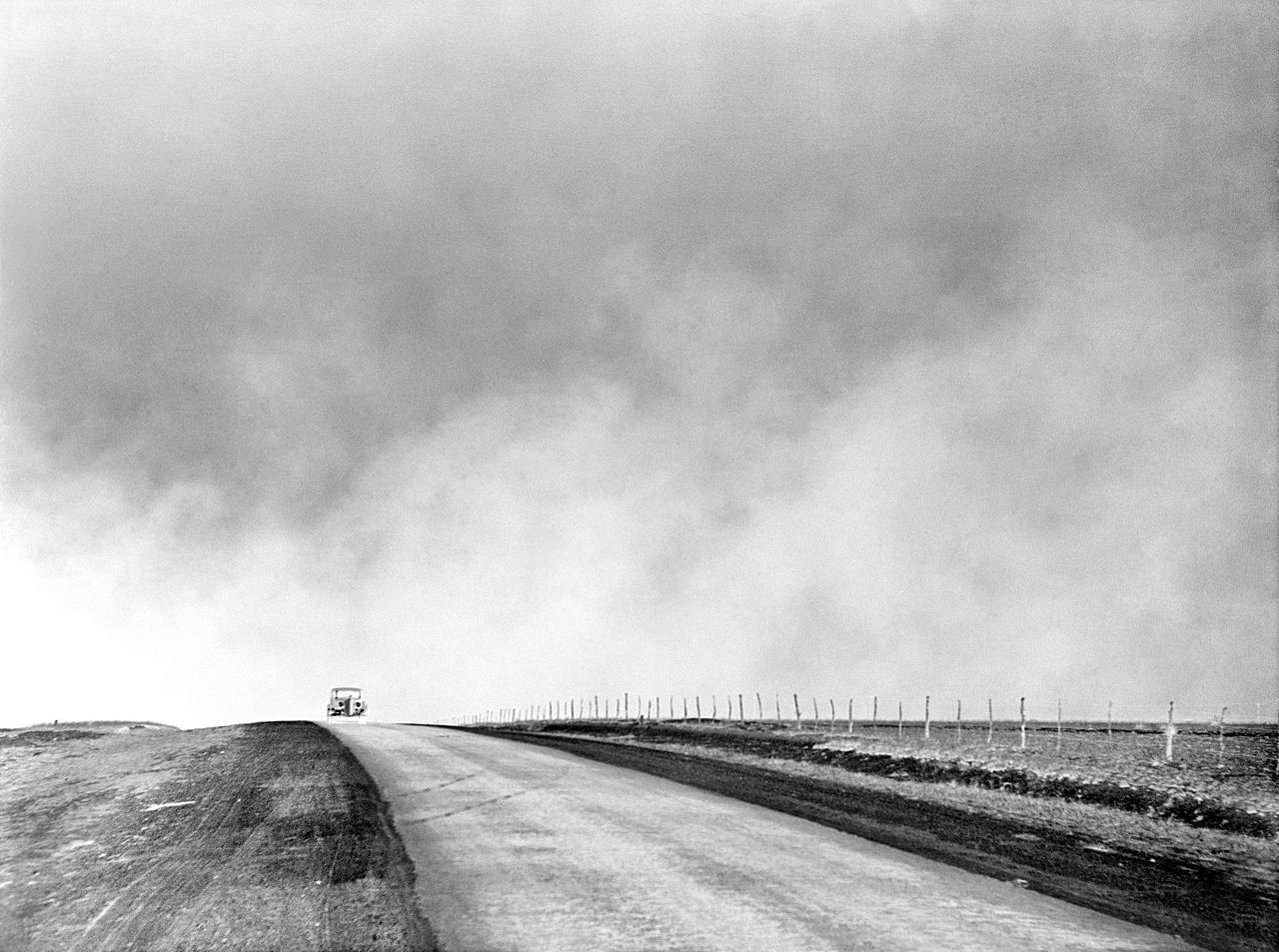


Structure and how it works
Most negative films are emulsions of light-sensitive silver halide crystals coated on a flexible plastic base. In black-and-white negative film the final visible image is formed from metallic silver (or a silver-based dye transfer after certain processes). Color negative films contain multiple emulsion layers, each sensitized to a different band of wavelengths; exposure and development convert the latent image into dye clouds whose hues are complementary to the original scene. For technical background see negative film technical resources. The way layers respond to different parts of the spectrum is related to their spectral sensitivity, and the colour inversion follows principles of complementary color.
Types and formats
Negative film is available in several types and standard formats. The most common formats are 35mm (small‑format), 120 (medium format) and sheet film for large format cameras. Types include black-and-white negative film, which is often processed in a simple developer and fixer under safelight conditions, and color negative film, commonly processed using standardized chemistry. Color negative films typically include an orange mask in the base that helps with color correction during printing or scanning.
Processing and chemistry
Processing converts the latent image captured on the emulsion into a visible, stable negative. Black-and-white processing uses a developer, stop bath (or water), fixer and washing. Color negative film is usually processed in an industry-standard sequence commonly called C-41 for consumer and many professional color negatives. These standardized processes make mass processing and consistent results possible in laboratories and home labs alike.
Characteristics and practical advantages
- Exposure latitude: Negative film generally tolerates over- and under-exposure better than slide (reversal) film. Highlights and midtones can often be recovered during printing or scanning.
- Reproducibility: Many prints and digital scans of varying sizes can be produced from a single negative.
- Grain and speed considerations: Film speed (ISO) and emulsion design affect apparent grain and fine detail. Faster films have more visible grain but allow shooting in lower light.
- Workflow flexibility: Negatives can be optically printed in a darkroom or scanned and digitally inverted and corrected for tone and color.
Printing, scanning and color correction
In an optical darkroom, an enlarger projects the negative onto photographic paper and exposure plus chemical development produce a positive print. For digital workflows, negatives are scanned to create a digital file; software inversion and color correction restore the original scene appearance and compensate for the base mask and film characteristics. Color negatives typically require color profiles or adjustments because of the orange base mask and the way dyes are rendered.
Archival and handling
Proper storage of negatives—using inert sleeves, stable temperatures and low humidity—helps preserve image quality for decades. Handle negatives by the edges to avoid fingerprints and keep them free of dust; black-and-white films are more tolerant of safelight during handling while color films require complete darkness until fixed. Long-term preservation may include making master scans or high-quality prints.
Distinction from reversal film and digital capture
Reversal (slide) film produces a single positive transparency after development and tends to yield higher saturation and contrast but less exposure latitude. Digital capture offers immediacy and easy editing, yet many photographers continue to use negative film for its look, grain structure, tonal rendition and archival negatives that can be re-scanned with evolving technology.
Practical notes
Negative film remains popular with amateurs and professionals who value its forgiving nature and workflow flexibility. Common considerations when choosing and using negative film include selecting the appropriate ISO for lighting conditions, choosing a format to match the desired final resolution, and deciding between darkroom printing and digital scanning. Some creative techniques such as cross-processing (developing film in chemistry intended for a different process) produce distinctive results but can be unpredictable and are considered experimental rather than standard practice.
Negative film continues to be supported by labs, manufacturers and an active community of practitioners, and it remains an accessible medium for learning photographic exposure, development and image reproduction techniques.
Related articles
Author
AlegsaOnline.com Photographic Negative Film Leandro Alegsa
URL: https://en.alegsaonline.com/art/34325