
Fingerprint scanner
Fingerprint scanners are biometric sensors that read the pattern of ridges on a fingertip to identify or verify a person. Used in law enforcement, access control, and consumer devices since the late 20th century.
Fingerprint scanners are devices that capture and compare the detailed pattern of ridges on a fingertip to authenticate identity. They are one branch of biometric technology and range from simple mechanical readers to sophisticated imaging systems. Compared with knowledge-based methods (like passwords) and possession-based methods (like keys), fingerprint-based systems offer convenience and a persistent physical trait that generally remains stable over a person’s lifetime.
Image gallery
3 Images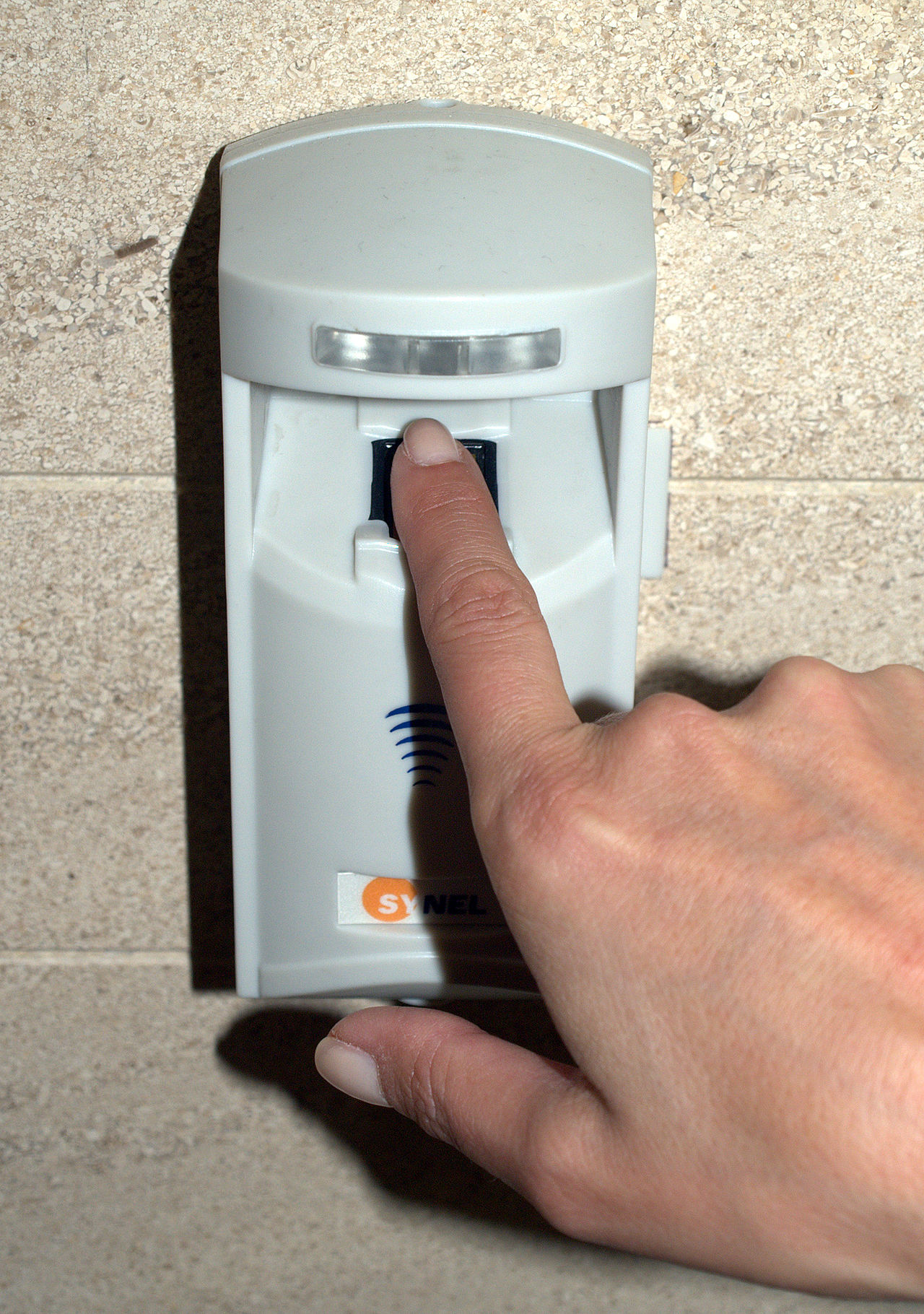


How fingerprint scanners work
All fingerprint scanners follow three basic steps: capture an image or representation of the fingertip, extract distinguishing features, and compare those features against stored templates. Common sensor types include:
- Optical sensors: use a light source and camera to form a visual image of the ridge pattern.
- Capacitive sensors: measure small electrical differences to map ridges and valleys without creating a visible image.
- Ultrasonic sensors: send and receive sound pulses to build a 3D map of the fingertip surface.
- Thermal and pressure-based methods: detect heat or pressure differentials to distinguish ridges.
History and development
Fingerprinting as a method of personal identification dates back to early forensic practice, but electronic scanners only became practical with advances in optics, microelectronics, and pattern-matching algorithms. Automated systems in law enforcement and border control preceded widespread consumer adoption. During the 2010s, fingerprint readers became common features on mobile phones and laptops, often for device unlocking and mobile payments. Contemporary research continues to refine sensor accuracy and resistance to spoofing.
Applications and importance
Fingerprint scanners are used across several domains: secure entry for buildings and safes, workforce time-and-attendance systems, criminal identification and forensics, and personal device authentication. They provide a quick way to verify identity without remembering credentials and can be integrated into multi-factor authentication schemes for stronger security.
Limitations, risks and best practices
Fingerprints are stable but not invulnerable. Cuts, skin conditions, or dirt can reduce sensor performance; some attackers try to defeat sensors with fake prints. False acceptance and rejection rates vary by sensor type and implementation, so high-security applications often combine fingerprint data with additional factors. Privacy and legal questions arise because biometric data is intrinsically tied to a person; many jurisdictions regulate how templates are stored, transmitted, and retained. For safer deployment, organizations should use encrypted templates, liveness detection, and fallback authentication methods.
Notable distinctions
Fingerprint scanners differ from related biometric modalities—like facial recognition or iris scanners—by offering a compact, widely deployable solution that balances cost and usability. For readers seeking a general overview of the underlying trait, see fingerprint. When choosing or designing a system, consider sensor type, environmental conditions, privacy rules, and the intended security level.
Questions and answers
Q: What are fingerprint scanners?
A: Fingerprint scanners are security systems of biometrics used to unlock doors and in other security applications.
Q: Where did fingerprint scanners become commonplace during the 2010s?
A: Fingerprint scanners became commonplace on mobile phones during the 2010s.
Q: What is unique about the pattern on people's fingers?
A: People have a pattern of ridges on their fingers that cannot be removed or changed.
Q: Are all fingerprints the same?
A: No, every fingerprint is different from any other in the world due to countless combinations.
Q: Why are fingerprints commonly used for identification?
A: Fingerprint scanners are commonly used for identification because of the unique ridge pattern on every person's fingertips.
Q: What other types of security applications use fingerprint scanners?
A: Fingerprint scanners are used to unlock doors and are utilized in other security applications.
Q: What is biometrics?
A: Biometrics is the use of biological characteristics, such as fingerprints or facial recognition, for identification purposes.
Related articles
Author
AlegsaOnline.com Fingerprint scanner Leandro Alegsa
URL: https://en.alegsaonline.com/art/34405