
Filey: English seaside town and civil parish on the North Yorkshire coast
Filey is a small coastal town and civil parish in North Yorkshire, England, known for its long sandy bay, the rocky headland Filey Brigg, coastal walks and a history as a Victorian seaside resort.
Filey is a small coastal town and civil parish on the North Sea coast of North Yorkshire, England. It is best known for a broad sandy bay, a low-lying promenade, and a compact town centre that developed from an older fishing settlement into a popular seaside resort in the 19th century.
Image gallery
9 Images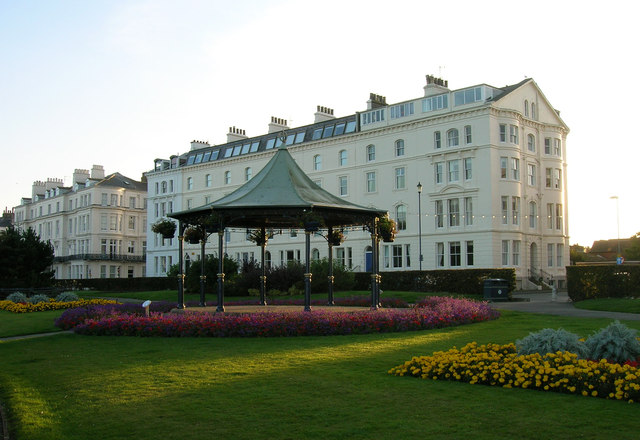


Geography and notable features
Filey occupies a gently curving bay backed by dunes and low cliffs. The most conspicuous natural feature is Filey Brigg, a rocky promontory that projects into the sea and is a popular spot for walks and observing coastal geology. The long beach and nearby coastal paths make the area attractive to walkers, birdwatchers and families seeking traditional seaside recreation.
History and development
Originally a small fishing community, Filey expanded in the 1800s when sea bathing and seaside holidays became fashionable. Many of the town's seafront buildings and the layout of promenades date from this Victorian era of development. Since then Filey has retained much of its small-town character while serving seasonal visitors.
Economy, culture and leisure
Tourism and local services form the backbone of the modern economy, with hotels, shops, cafés and leisure facilities catering to visitors. Recreational opportunities include swimming, sailing, fishing and coastal walking. The coastal environment supports wildlife interest; the headland and surrounding shore are frequented by birdwatchers and people interested in coastal plants and rock exposures.
Transport and administration
Filey is a civil parish within North Yorkshire and is located on the eastern coast of England. It is served by local roads and a railway station that provide links to larger nearby towns, making it accessible for day visitors and commuters.
Notable distinctions
- Extensive sandy bay popular with families and seaside visitors.
- Filey Brigg, a distinctive rocky headland valued for walking and coastal geology.
- A town with visible Victorian-era seaside architecture and a continuing tourism role.
Related articles
Author
AlegsaOnline.com Filey: English seaside town and civil parish on the North Yorkshire coast Leandro Alegsa
URL: https://en.alegsaonline.com/art/34296
Sources
- neighbourhood.statistics.gov.uk : "2001 Census: Key Statistics: Parish Headcounts: Area: Filey CP (Parish)"
- commons.wikimedia.org : Filey